Ghost Fitness/Lion's mane/Is lion's mane vegan?
Is lion's mane vegan?
The short answer
The mushroom is vegan by nature, being a fungus, so vegan status turns on the capsule: HPMC shells are vegan, gelatine shells are not, and fillers and coatings need a glance. The worked example uses a vegan HPMC shell.
- Layer one: the mushrooma fungus, neither plant nor animal: vegan by nature
- Layer two: the shellHPMC or pullulan vegan; gelatine animal-derived
- Layer three: the extrasfillers, flow agents and coatings: usually plant, read the line
- The worked examplevegan HPMC shell, brown rice flour filler
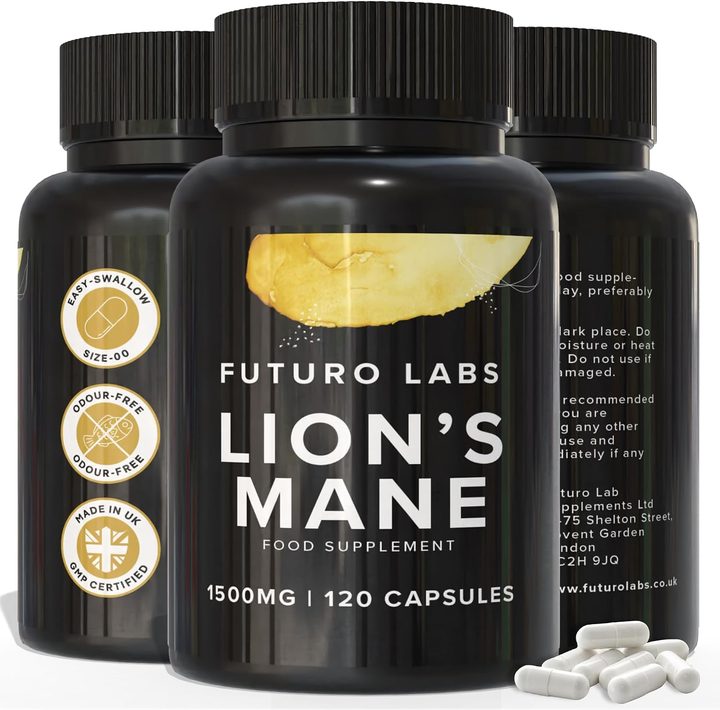
Our brand: the worked example on this page
Futuro Labs Lion's Mane
- 13p a day
- 120 capsules, 1 capsule daily
- Lab tested
- Made in the UK
Vegan on all three layers: Futuro Labs Lion's Mane on Amazon UK, fruiting body extract in a vegan HPMC shell with rice flour, £15.49 for 120 days at 13p. Full label breakdown. The shell materials are on the shell page; the label particulars on the label page.
The three layers a vegan buyer checks, and why the first is the easy one
Whether lion's mane is vegan has three layers, and the first is the easy one: the mushroom itself is a fungus, a kingdom of its own, neither plant nor animal, and no animal is involved in growing, harvesting or extracting it, cultivated on hardwood sawdust or grain and simmered in water, so lion's mane as an ingredient is vegan by nature, the fresh mushroom on the plate and the dried extract in the powder both qualifying without a second thought, and the vegan question only becomes a real question at the capsule. Layer two, the shell, is where vegan status is decided: capsule shells are made of one of three materials, hydroxypropyl methylcellulose, HPMC, a plant-cellulose derivative that is vegan and the aisle's standard for supplement capsules; gelatine, an animal product rendered from bovine or porcine collagen, not vegan and not vegetarian; and pullulan, a fermentation-derived polysaccharide from tapioca, vegan and sold as a premium alternative, so a lion's mane capsule is vegan if and only if its shell is HPMC or pullulan, and the ingredients line, capsule shell followed by the material or the words hydroxypropyl methylcellulose or vegetable capsule, is where that is read, photographs never showing a shell's chemistry. Layer three, the extras, needs a glance rather than a study: bulking agents such as rice flour or cellulose are plant-derived, flow agents such as silica are mineral, and magnesium stearate can be either plant or animal in origin though supplement-grade is overwhelmingly vegetable, with the rare non-vegan surprises being lactose carriers in some blends and shellac coatings on some tablets, neither typical of a plain capsule.
The certification note, the worked example read layer by layer, and the vegan verdict extended to the whole aisle
The certification note settles the reader who wants more than an ingredients line: vegan certification marks, the Vegan Society's sunflower among them, audit ingredients and processing for a product and are worth preferring where present, though their absence is not evidence of animal content, many small brands using vegan HPMC shells and plant fillers without paying for a mark, so the ingredients line remains the primary check and the mark a welcome confirmation. Read the worked example layer by layer as the method demands: the mushroom, a fruiting-body extract, vegan by nature; the shell, HPMC, stated on the label as a vegan capsule; the extras, brown rice flour as the bulking agent, plant-derived; three layers clear, the product vegan throughout, which is why this section describes it as vegan without qualification. Extend the verdict to the aisle and the pattern holds: most lion's mane capsules on the UK market are vegan because HPMC is the industry's default shell and mushroom extracts need no animal-derived processing, with the exceptions being gelatine-shell products from brands using older or cheaper capsule stock, the occasional tablet with a non-vegan coating, and blends carrying dairy-derived carriers, all caught by the same thirty-second read of the ingredients line, the vegan buyer's instruction being simply to find the shell material before the tissue and the ratio, since a mushroom that passes every other test in a gelatine shell has failed the one that matters to them.
| The layer | The vegan answer | Where to read it |
|---|---|---|
| The mushroom | Always: a fungus, no animal involvement | Nowhere needed: the ingredient is vegan by nature |
| The shell: HPMC or pullulan | Vegan | Capsule shell (HPMC), hypromellose, or vegetable capsule |
| The shell: gelatine | Not vegan, not vegetarian | Gelatine, bovine or porcine, on the ingredients line |
| Fillers and flow agents | Usually plant or mineral | Rice flour, cellulose, silica; stearate source rarely stated |
| The rare surprises | Lactose carriers; shellac coatings | Blends and tablets, not plain capsules |
| The worked example | Vegan on all three layers | HPMC shell, rice flour, stated on the label |
The verdict, vegan at the layer that decides it
Is lion's mane vegan: the mushroom always is, a fungus with no animal involvement in its growing or extraction, so the question is decided at the capsule, HPMC and pullulan shells being vegan and gelatine shells not, with fillers and coatings needing a glance for the rare lactose carrier or shellac coating, and the ingredients line, not the photographs, being where the shell material is read. The worked example, read on all three layers: Futuro Labs Lion's Mane, fruiting body extract in a vegan HPMC shell with brown rice flour, UK made, lab tested, £15.49 for 120 days at 13p a day, vegan throughout, and the vegan buyer's instruction being to find the shell material first on any tub that is not.
What to check on the label
- The mushroom is always vegan: a fungus, no animal involvement.
- The shell decides: HPMC or pullulan yes, gelatine no.
- Glance at the extras: lactose carriers and shellac are the rare traps.
- Read the ingredients line: photos never show shell chemistry.
- Treat marks as confirmation: absence is not evidence of animal content.
Our brand
The worked example: Futuro Labs Lion's Mane
Futuro Labs Lion's Mane: 1 capsule daily of 5:1 fruiting body extract, labelled 1500mg mushroom equivalent (about 300mg extract), 120 capsules for £15.49, 120 days at 13p a day. Vegan HPMC shell, UK made under GMP and BRC, independently lab tested, caffeine free. Lion's mane holds no authorised UK health claims; this site describes its small studies as studies.
- Extract
- fruiting body, 5:1
- Per capsule
- 1500mg mushroom equivalent
- Serving
- 1 capsule a day
- Bottle
- 120 capsules, 120 days
- Price
- £15.49 (13p a day)
- Capsule
- HPMC vegan shell, size 00
Questions people also ask
Is lion's mane mushroom itself vegan?
Yes: it is a fungus, neither plant nor animal, cultivated on sawdust or grain and extracted in water, with no animal involvement at any stage.
What makes a lion's mane capsule not vegan?
The shell: gelatine capsules are rendered from bovine or porcine collagen, so a lion's mane product in a gelatine shell is neither vegan nor vegetarian, whatever the mushroom inside.
How do I tell what the capsule shell is made of?
The ingredients line: capsule shell (HPMC), hydroxypropyl methylcellulose, hypromellose or vegetable capsule mean vegan; gelatine means animal-derived; pullulan is the vegan premium alternative.
Are the fillers in lion's mane capsules vegan?
Usually: rice flour and cellulose are plant-derived and silica is mineral, with the rare non-vegan surprises being lactose carriers in some blends and shellac coatings on some tablets.
Is the worked example vegan?
Yes on all three layers: a fruiting-body extract, a vegan HPMC shell stated on the label, and brown rice flour as the bulking agent.
Sources
- The capsule shell literature: hydroxypropyl methylcellulose capsules are plant-derived cellulose shells suitable for vegan products, gelatine shells are animal-derived, and pullulan is a fermentation-derived vegan alternative. PubMed record
- The medicinal mushroom labelling discussion: fruiting body versus mycelium-on-grain, extract ratios and beta-glucan content as the label facts that separate concentrated extracts from diluted powders. PubMed record
- The Food Supplements (England) Regulations 2003. https://www.legislation.gov.uk/uksi/2003/1387/contents/made
- EFSA Panel on Dietetic Products, Nutrition and Allergies. Scientific Opinion on the substantiation of health claims related to magnesium. EFSA Journal 2010;8(10):1807. https://efsa.onlinelibrary.wiley.com/doi/10.2903/j.efsa.2010.1807