Ghost Fitness/Guides/What is NRV on a UK supplement label?
What is NRV on a UK supplement label?
The short answer
Nutrient Reference Value: the single labelling figure per vitamin or mineral that %NRV compares a dose against, magnesium 375mg, vitamin D 5 micrograms, vitamin C 80mg. It is a reference, not a target or a maximum.
- What it isone labelling reference value per vitamin and mineral, the same for every adult label
- Where it comes fromthe retained food information regulation's annex of nutrient reference values
- What it is notnot a personal target, not a maximum, not the UK's scientific intake reference
- The teachvitamin D's NRV is 5 micrograms; UK guidance is 10, so 200% NRV is the guidance dose
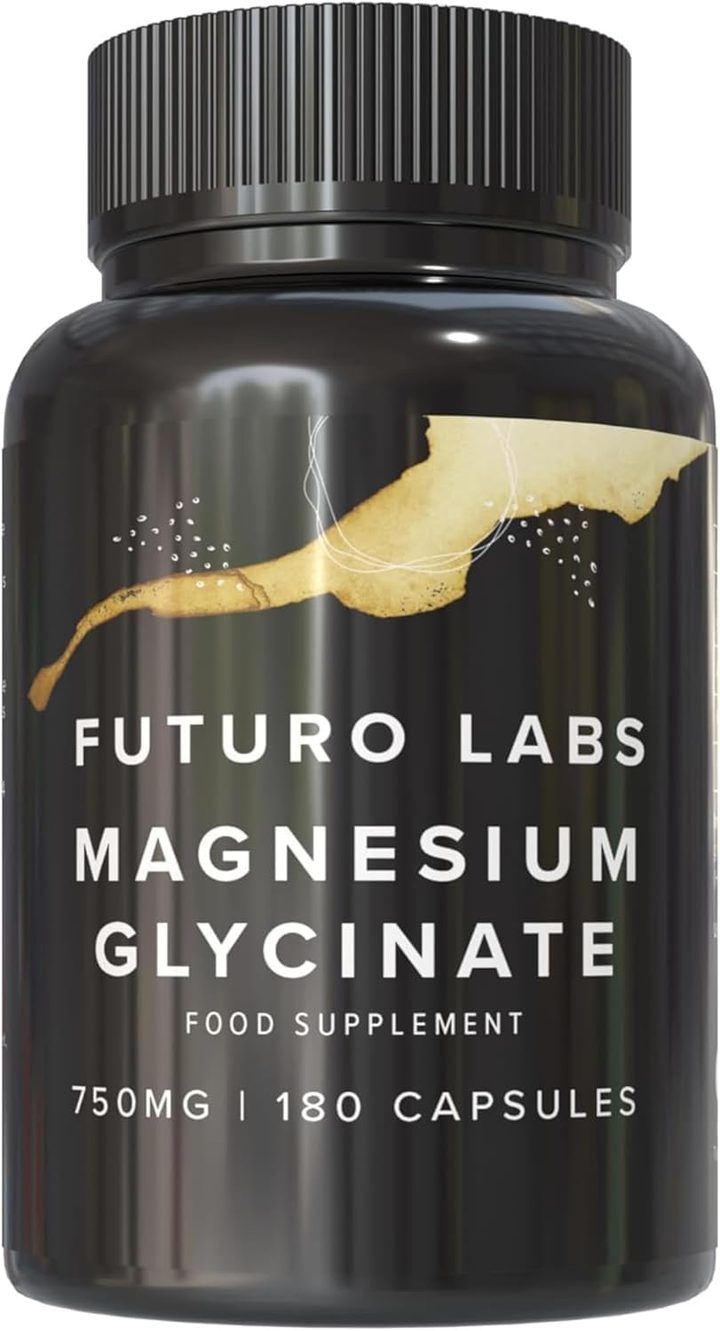
Our brand: the worked example on this page
Futuro Labs Magnesium Glycinate
- 22p a day
- 180 capsules, 2 capsules daily
- Lab tested
- Made in the UK
80% NRV, read correctly: Futuro Labs Magnesium Glycinate on Amazon UK, 300mg elemental against the 375mg magnesium NRV per 2 capsules, £19.99 for 90 days at 22p. Full label breakdown. The NRV-versus-RDA acronym map is on the NRV-RDA guide; the label read on the label guide.
What NRV is and where it comes from, with the common nutrients' values so the percentages on a label make sense
NRV on a UK supplement label stands for Nutrient Reference Value, and it is the single figure per vitamin and mineral that the label's percentage column compares a dose against: a supplement declaring magnesium 300mg, 80% NRV, is saying that 300mg is 80% of magnesium's reference value of 375mg, the percentage being the dose divided by the NRV and nothing more. The values come from the retained food information regulation, whose annex sets one nutrient reference value per vitamin and mineral for labelling purposes, the same figure on every adult label in the UK and the EU regardless of the reader's age, sex or size, chosen as a labelling convention rather than a personal prescription, and the same values that the food label guide's %RI column uses for vitamins and minerals on foods. The common ones, so the percentages on a label read at a glance: magnesium 375mg; calcium 800mg; zinc 10mg; iron 14mg; iodine 150 micrograms; selenium 55 micrograms; vitamin C 80mg; vitamin D 5 micrograms; vitamin B12 2.5 micrograms; folic acid 200 micrograms; vitamin B6 1.4mg; vitamin E 12mg; vitamin A 800 micrograms; vitamin K 75 micrograms. With those in hand a label's percentages decode themselves, 50% NRV of zinc being 5mg, 100% of vitamin C being 80mg, and 80% of magnesium being the worked example's 300mg, and a supplement's honesty about its dose becomes readable in one column.
What NRV is not, the significant-amount rule, and why 200% NRV can be exactly right
What NRV is not matters as much as what it is, because the percentage column invites three misreadings. It is not a personal target: the NRV is one labelling figure for all adults, while the UK's scientific dietary reference values, the reference nutrient intakes set by age and sex, differ from it for many nutrients and differ between a 25-year-old man and a 70-year-old woman, so 100% NRV is a convention met, not a requirement satisfied. It is not a maximum: nothing in the NRV limits a dose, the safe upper levels being separate guidance from the UK's expert group and, for most nutrients, far above the NRV, so a label may lawfully declare 300%, 500% or more and the upper level, not the NRV, is the figure to read a high dose against. And it is not the RDA, though it replaced it: the older labelling term Recommended Daily Allowance was superseded by NRV in the 2014 labelling reform, the NRV-RDA guide's acronym map. The significant-amount rule gives the NRV its regulatory teeth: a vitamin or mineral may be declared on a supplement label, and may carry its authorised claims, only if the daily dose provides a significant amount, generally 15% of the NRV, which is the condition of use the claims guide describes and the reason a token dose cannot borrow a real claim, the worked example's 80% clearing it five times over. And the teach that shows why a percentage is a reference and not a verdict: vitamin D's NRV is 5 micrograms, the UK's public-health guidance for adults in autumn and winter is 10 micrograms, so the guidance dose reads as 200% NRV on a label, lawful, sensible and within the 100 microgram upper level, a reader who took 100% as the right amount having taken half the guidance, and a reader who took 200% as excessive having misread a reference as a limit, the NRV being the ruler and not the recommendation.
| The nutrient | The NRV | What a label percentage means |
|---|---|---|
| MagnesiumOurs | 375mg | 80% NRV is 300mg: the worked example |
| Vitamin D | 5 micrograms | 200% NRV is the 10 microgram UK guidance dose |
| Vitamin C; zinc; iron | 80mg; 10mg; 14mg | 100% is that amount, no more |
| Vitamin B12; folic acid | 2.5 micrograms; 200 micrograms | Percentages far above 100 are common and lawful |
| Not a target, not a maximum, not the RDA | One labelling figure for all adults | The RNI is the scientific reference; the upper level is the ceiling |
| The 15% rule | A significant amount per daily dose | The condition for declaring the nutrient and its claims |
The verdict, a ruler and not a recommendation
What is NRV on a UK supplement label: the Nutrient Reference Value, one labelling figure per vitamin and mineral from the retained food information regulation's annex, magnesium 375mg, vitamin D 5 micrograms, vitamin C 80mg among them, that a label's percentage column divides a dose by, a convention the same on every adult label and not a personal target, a maximum or the old RDA, with the 15% significant-amount rule giving it teeth and vitamin D's 200% NRV guidance dose showing that a percentage is a ruler rather than a recommendation. The 80% read correctly: Futuro Labs Magnesium Glycinate, 300mg elemental against the 375mg NRV per two capsules, £19.99 for 90 days at 22p a day, most of a day's reference amount and neither a target nor a ceiling.
What to check on the label
- Read %NRV as dose over reference: 300 over 375 is 80%.
- Learn the common values: magnesium 375mg, vitamin D 5 micrograms, vitamin C 80mg.
- Know it is not a target: the RNI by age and sex is the scientific reference.
- Know it is not a maximum: the upper level is the ceiling; 200% can be right.
- Use the 15% rule: below it, no declaration and no claim.
Our brand
The worked example: Futuro Labs Magnesium Glycinate
Futuro Labs Magnesium Glycinate is the worked example for the buying guides because its label is the kind these guides teach you to demand: 1500mg magnesium bisglycinate at 20%, 300mg elemental, 80% NRV, 2 capsules a day, 180 capsules for £19.99, 22p a day, UK made, vegan, batch tested for lead, mercury, arsenic and cadmium, address printed, no proprietary blend, and the same four authorised claims any honest magnesium may carry.
- Elemental magnesium per serving
- 300mg (80% NRV)
- Form
- magnesium bisglycinate 20%
- Serving
- 2 capsules a day
- Bottle
- 180 capsules, 90 days
- Price
- £19.99 (22p a day)
- Capsule
- vegetarian shell, vegan product
Questions people also ask
What does %NRV mean on a supplement?
The dose divided by the nutrient's reference value: magnesium 300mg at 80% NRV means 300mg is 80% of magnesium's 375mg NRV, a labelling convention that is the same on every adult label.
What is the NRV for magnesium and vitamin D?
Magnesium 375mg and vitamin D 5 micrograms, from the retained food information regulation's annex, alongside vitamin C 80mg, zinc 10mg, iron 14mg and the other common values.
Is 100% NRV the right amount to take?
Not necessarily: the NRV is one labelling figure for all adults, not a personal target, while the UK's reference nutrient intakes differ by age and sex, and vitamin D's UK guidance dose of 10 micrograms is 200% NRV.
Is more than 100% NRV dangerous?
The NRV is not a maximum: the safe upper levels are separate guidance far above the NRV for most nutrients, and a high dose is read against the upper level, vitamin D's being 100 micrograms, not against the NRV.
Why do some supplements not show a %NRV?
Either the substance has no NRV, botanicals, mushrooms and amino acids having none, or the dose is below the 15% significant-amount threshold, in which case the nutrient may not be declared or carry its claims.
Sources
- Retained Regulation (EU) No 1169/2011, Annex XIII: nutrient reference value for magnesium 375mg. https://www.legislation.gov.uk/eur/2011/1169/annex/XIII
- Expert Group on Vitamins and Minerals. Safe Upper Levels for Vitamins and Minerals. Food Standards Agency, 2003 (magnesium guidance level 400mg a day from supplements). https://cot.food.gov.uk/sites/default/files/vitmin2003.pdf
- The GB claims register, vitamin D entries: vitamin D contributes to normal bones, teeth, muscle function, immune function and calcium absorption, with UK guidance suggesting 10 micrograms daily in autumn and winter. https://www.gov.uk/government/publications/great-britain-nutrition-and-health-claims-nhc-register
- Retained Regulation (EC) No 1924/2006 on nutrition and health claims made on foods, and the Great Britain nutrition and health claims register. https://www.gov.uk/government/publications/great-britain-nutrition-and-health-claims-nhc-register