Ghost Fitness/Guides/What does made in the UK mean vs packed in the UK?
What does made in the UK mean vs packed in the UK?
The short answer
Three phrases, descending: made in the UK means manufactured, blended, encapsulated and released here; packed in the UK means imported in bulk and bottled here; neither means the ingredients grew here. Origin claims must not mislead.
- Made in the UKmanufactured here: blended, encapsulated, tested and released in a UK facility
- Packed in the UKimported in bulk, bottled and labelled here: a lower claim
- Neithersays where the ingredients were grown or extracted
- The lawvoluntary origin claims must not mislead the buyer
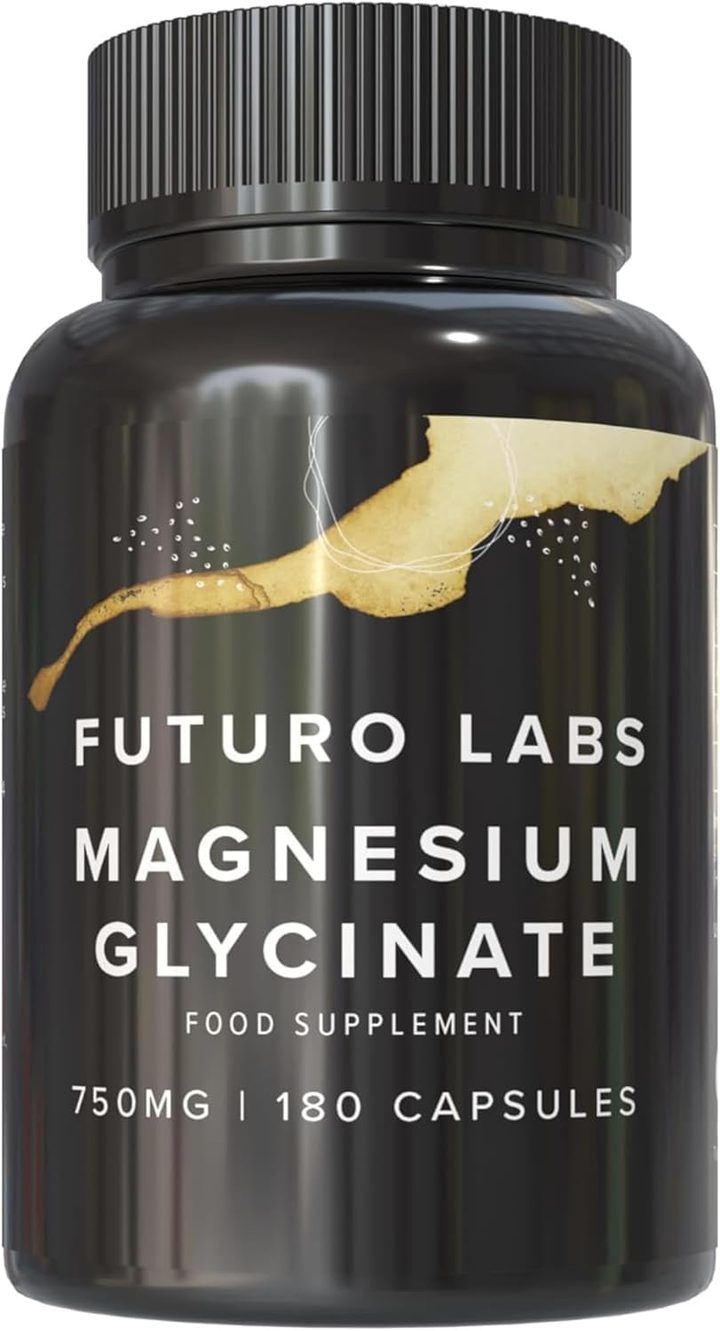
Our brand: the worked example on this page
Futuro Labs Magnesium Glycinate
- 22p a day
- 180 capsules, 2 capsules daily
- Lab tested
- Made in the UK
Made in the UK, in the manufacturing sense: Futuro Labs Magnesium Glycinate on Amazon UK, blended, encapsulated and released under UK GMP, batch tested here, £19.99 for 90 days at 22p. Full label breakdown. The grown-versus-made distinction is on the grown-in-the-UK page; the UK-based checks on the UK-based guide.
The three phrases in descending order, and what each one honestly claims
Made in the UK and packed in the UK look like neighbours on a label and are a rung apart, so read them as a ladder of three phrases in descending order of what they claim. Made in the UK, or manufactured in the UK, the top rung: the product was produced in a UK facility, the ingredients weighed and blended here, the capsules filled or the tablets pressed here, the batch tested and released under UK good manufacturing practice here, usually by a contract manufacturer holding BRCGS or ISO certification, the best-made guide's facility, so that the manufacturing chain from raw ingredient to finished bottle happened on UK soil under UK standards, a real and checkable claim about process and quality control. Packed in the UK, the middle rung and the lower claim: the product arrived in the country already made, bulk capsules or tablets or powder manufactured abroad, and was bottled, labelled and boxed here, so that the UK contribution is packaging and the manufacturing standards that apply are the exporting facility's, whatever they were, a phrase that honest brands use when it is true and that some brands avoid by saying nothing, the buyer's inference being that a label describing UK packing and no UK manufacture has told the truth about a smaller thing. Product of the UK, or grown in the UK, the phrase that would sit above both and almost never appears on a supplement: the ingredients themselves originated here, which for a synthetic vitamin, a mined mineral, a fish oil or a mushroom extract is rare to the point of absence, the grown-in-the-UK page's finding that UK made means made and not grown applying across the shelf.
The origin question neither phrase answers, the law on misleading claims, and the ladder read on a label
The question neither phrase answers is where the ingredients came from, and it is the question buyers most often think they are being told: made in the UK describes the facility and not the field, the magnesium bisglycinate in a UK-made capsule having been synthesised by an ingredient manufacturer that may be anywhere, the fish oil refined from a catch that was not British, the mushroom extract produced in Asia, all of which is normal, disclosed if a brand chooses, and outside the made-in phrase's scope, so a buyer who wants ingredient origin asks the brand directly and reads a straight answer as the good sign whatever the country. The law frames the phrases without prescribing them: origin labelling is mandatory for some foods and voluntary for supplements, but any voluntary origin claim falls under the general rule that food information must not mislead, so a brand writing made in the UK on a product that was only packed here has misled, and one writing British on a product with no UK step at all has done worse, the Trading Standards enforcement route applying and the honest brand's practice being to say exactly which step happened here. The ladder read on a label: made or manufactured in the UK under GMP, with a UK address and a batch, is the manufacturing claim at full height and the worked example's position; packed in the UK is the honest lower rung and worth reading as such; British or UK with no verb is a flag to ask which step is meant; and none of them speaks to the ingredients, which is the separate question every label leaves to the brand.
| The phrase | What it claims | What it does not claim |
|---|---|---|
| Product of / grown in the UK | The ingredients originated here | Rare on supplements; check any such claim |
| Made / manufactured in the UK | Blended, filled, tested and released in a UK facility under GMP | Nothing about ingredient origin |
| Packed in the UK | Imported bulk, bottled and labelled here | Nothing about manufacturing standards abroad |
| British / UK, no verb | An implication | A flag to ask which step is meant |
| The law | Voluntary origin claims must not mislead | Packed sold as made is misleading |
| The worked example | Made in the UK under GMP, batch tested here | Ingredient origin: a question for the brand |
The verdict, a ladder with the ingredients off it
What made in the UK means versus packed in the UK: a rung apart, made meaning manufactured here, blended, filled, tested and released in a UK facility under GMP, and packed meaning imported in bulk and bottled and labelled here, the honest lower claim, with neither phrase saying anything about where the ingredients were grown, extracted or synthesised, the law requiring only that a voluntary origin claim not mislead, and a vague British with no verb being a flag to ask which step is meant. The top rung, worked: Futuro Labs Magnesium Glycinate, made in the UK under GMP, blended, encapsulated and batch tested here, £19.99 for 90 days at 22p a day, its manufacturing British and its ingredient origin the separate question this site tells every reader to ask.
What to check on the label
- Read the three phrases as a ladder: grown, made, packed.
- Take made as the facility: blended, filled, tested, released here.
- Take packed as the lower rung: bottled here, made elsewhere.
- Know neither covers ingredients: ask the brand where they came from.
- Treat a bare British as a question: which step, exactly?
Our brand
The worked example: Futuro Labs Magnesium Glycinate
Futuro Labs Magnesium Glycinate is the worked example for the buying guides because its label is the kind these guides teach you to demand: 1500mg magnesium bisglycinate at 20%, 300mg elemental, 80% NRV, 2 capsules a day, 180 capsules for £19.99, 22p a day, UK made, vegan, batch tested for lead, mercury, arsenic and cadmium, address printed, no proprietary blend, and the same four authorised claims any honest magnesium may carry.
- Elemental magnesium per serving
- 300mg (80% NRV)
- Form
- magnesium bisglycinate 20%
- Serving
- 2 capsules a day
- Bottle
- 180 capsules, 90 days
- Price
- £19.99 (22p a day)
- Capsule
- vegetarian shell, vegan product
Questions people also ask
What does made in the UK mean on a supplement?
That the product was manufactured here: ingredients blended, capsules filled or tablets pressed, batches tested and released in a UK facility under GMP, usually by a certified contract manufacturer, a claim about process and quality control.
What does packed in the UK mean?
That the product arrived already made, as bulk capsules, tablets or powder manufactured abroad, and was bottled, labelled and boxed here, the UK contribution being packaging and the manufacturing standards being the exporting facility's.
Does made in the UK mean the ingredients are British?
No: it describes the facility, not the field, and a UK-made capsule's magnesium, fish oil or mushroom extract may have originated anywhere, ingredient origin being a separate question to ask the brand directly.
Is it illegal to say made in the UK if the product was only packed here?
It is misleading, and voluntary origin claims on food must not mislead, so a packed product described as made breaches the general food information rule and is a matter for Trading Standards.
Which phrase does the worked example use?
Made in the UK in the manufacturing sense: blended, encapsulated and batch tested here under GMP, with its ingredient origin left, as every label leaves it, to a direct question.
Sources
- The supplement manufacturing standards: Good Manufacturing Practice, the BRCGS Global Standard for Food Safety and ISO 22000 are the facility-level certifications a contract manufacturer holds and a brand may cite. https://www.brcgs.com/our-standards/food-safety/
- The Food Standards Agency's food supplements guidance: supplements are regulated as foods, with local authority trading standards and environmental health enforcing labelling, safety and claims law. https://www.food.gov.uk/business-guidance/food-supplements
- The Food Supplements (England) Regulations 2003. https://www.legislation.gov.uk/uksi/2003/1387/contents/made
- Retained Regulation (EC) No 1924/2006 on nutrition and health claims made on foods, and the Great Britain nutrition and health claims register. https://www.gov.uk/government/publications/great-britain-nutrition-and-health-claims-nhc-register