Ghost Fitness/Guides/Does GMP certified mean a supplement is tested?
Does GMP certified mean a supplement is tested?
The short answer
No: GMP is how a facility makes things, with in-house checks. It is not independent testing of the product, which is a certificate of analysis, and not a banned-substance certification. GMP is necessary and never sufficient.
- What GMP isGood Manufacturing Practice: documented, controlled production with in-house quality checks
- Not thing oneindependent third-party testing: a certificate of analysis from an external lab
- Not thing twobanned-substance certification: Informed Sport and its peers
- Not thing threea single official certificate: GMP is a practice a facility follows and may be audited on
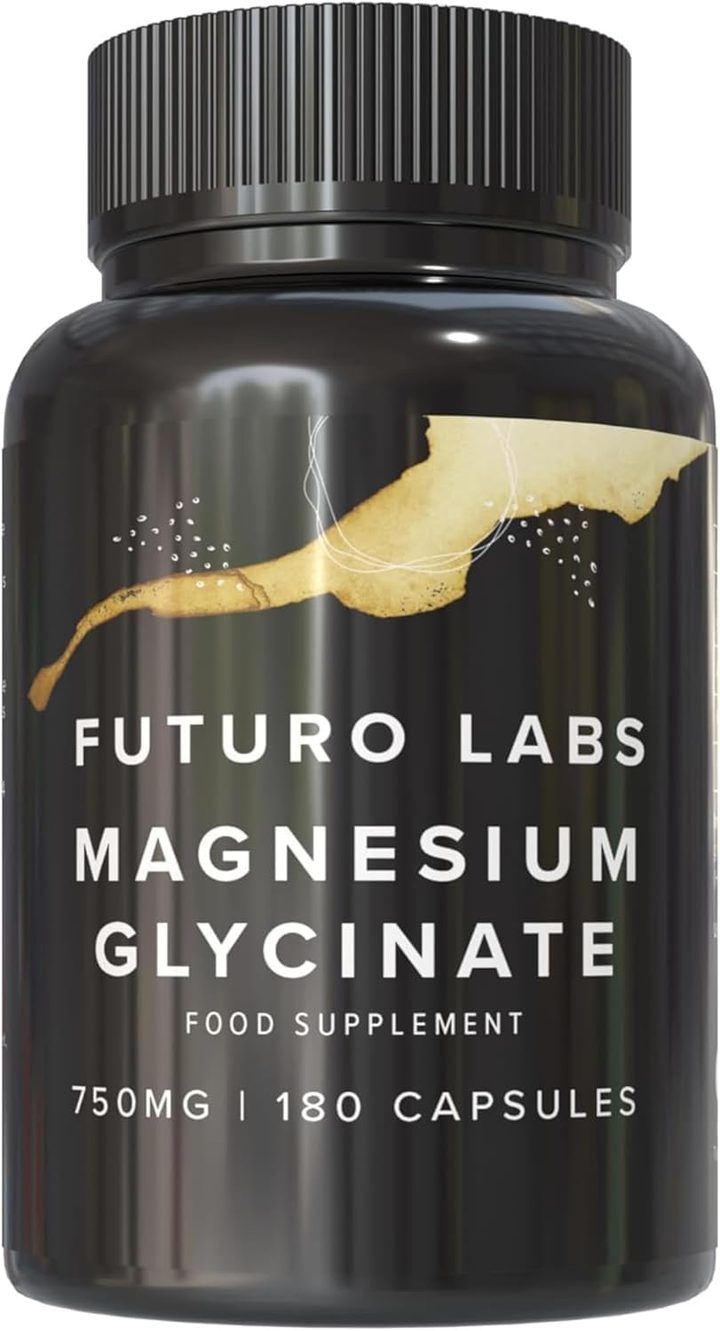
Our brand: the worked example on this page
Futuro Labs Magnesium Glycinate
- 22p a day
- 180 capsules, 2 capsules daily
- Lab tested
- Made in the UK
GMP manufacture stated, and independent testing stated separately, as they should be: Futuro Labs Magnesium Glycinate on Amazon UK, UK made under GMP, batch tested by an independent lab for metals, £19.99 for 90 days at 22p. Full label breakdown. The manufacturing glossary is on the best-made guide; the three testing tiers on the tested brands guide.
What GMP actually is, and why it is necessary without being the thing the question hopes it is
GMP certified does not mean a supplement is tested in the sense the question means, and the confusion is worth clearing carefully because brands profit from it. GMP, Good Manufacturing Practice, is a system for how a facility makes things: documented procedures, controlled and traceable ingredients, hygiene and cleaning regimes, trained staff, batch records for every run, and quality release of finished goods, a system that includes in-house quality checks, incoming ingredient identity, in-process controls, finished-goods checks against specification, and that any legitimate supplement manufacturer runs because the food safety framework expects it. Those in-house checks are testing of a kind, and they matter, a GMP facility catching a wrong ingredient or a failed blend before it ships, so GMP is necessary, the floor beneath everything, and a product made outside any GMP system is one nobody controlled. What GMP is not is the rest of this page, because a brand printing GMP certified on a label wants the reader to hear tested, and the word does a different job.
The three things GMP is not, and the label read that keeps them apart
Not thing one, independent third-party testing: GMP's checks are the facility's own, on its own samples, against its own specifications, and third-party testing means an external accredited laboratory analysing a sample of the finished product for named analytes, heavy metals, microbiology, potency, identity, and issuing a certificate of analysis per batch, the tested brands guide's tier two, which a GMP facility may commission and many do, but which GMP itself does not require in the independent sense and which the phrase GMP certified does not attest, so a brand saying GMP certified and nothing about a lab has said its manufacturer runs a proper system and has said nothing about independent testing. Not thing two, banned-substance certification: Informed Sport and its peers test products against the prohibited list and audit the site for cross-contamination, a programme a brand enrols in per product and pays for per batch, entirely separate from GMP and never implied by it, so a GMP badge means nothing to a drug-tested athlete, who looks for the programme's logo and matches the batch. Not thing three, a single official certificate: GMP for UK food supplements is a practice the law expects rather than a licence the state issues, and a facility demonstrates it by holding audited food-safety certifications, BRCGS Global Standard or ISO 22000, the best-made guide's glossary, so that GMP certified on a label may mean the manufacturer holds BRCGS, a strong signal, or may mean the brand printed a phrase, and the reader asks which certification body audited the site and checks its directory. The label read that keeps the three apart is the worked example's own pattern, and the reason it is the worked example: UK made under GMP stated as the manufacturing claim, independently batch tested for lead, mercury, arsenic and cadmium stated separately as the testing claim, and no sports certification claimed because none is held, three different things said in three different places, which is what an honest label does with three different words.
| The term | What it attests | What to ask |
|---|---|---|
| GMP | How the facility makes things; in-house checks; batch records | Which certification body audited the site? |
| Not independent testing | A certificate of analysis from an external lab, per batch | Which lab, which batch, which analytes, where's the certificate? |
| Not banned-substance certification | Informed Sport and peers: prohibited-list testing and site audit | Is the product on the programme's database? |
| Not a single official certificate | BRCGS or ISO 22000 are the audited certifications behind GMP | Is the manufacturer in the certifier's directory? |
| Necessary, not sufficient | The floor beneath everything | GMP plus a certificate, plus a logo if you compete |
| The worked example | GMP stated; independent metals testing stated separately; no sports logo claimed | Three words, three places |
The verdict, a practice and not a test
Does GMP certified mean a supplement is tested: no, GMP being the system by which a facility makes things, documented, controlled and checked in-house, necessary as the floor and never sufficient, and not three things brands let it be confused with, independent third-party testing of the finished product by an external lab with a certificate of analysis, banned-substance certification by a programme such as Informed Sport, and a single official certificate, GMP being a practice demonstrated by audited food-safety certifications such as BRCGS or ISO 22000. The label that keeps the three apart: Futuro Labs Magnesium Glycinate, UK made under GMP as the manufacturing claim, independently batch tested for lead, mercury, arsenic and cadmium as the separate testing claim, no sports certification claimed, £19.99 for 90 days at 22p a day, three different words in three different places.
What to check on the label
- Read GMP as manufacturing practice: the facility's system and in-house checks.
- Do not read it as independent testing: that is a certificate of analysis.
- Do not read it as a sports certification: that is a programme and a database.
- Ask which body audited the site: BRCGS or ISO 22000, in their directories.
- Expect three words in three places: GMP, tested, certified, each separately.
Our brand
The worked example: Futuro Labs Magnesium Glycinate
Futuro Labs Magnesium Glycinate is the worked example for the buying guides because its label is the kind these guides teach you to demand: 1500mg magnesium bisglycinate at 20%, 300mg elemental, 80% NRV, 2 capsules a day, 180 capsules for £19.99, 22p a day, UK made, vegan, batch tested for lead, mercury, arsenic and cadmium, address printed, no proprietary blend, and the same four authorised claims any honest magnesium may carry.
- Elemental magnesium per serving
- 300mg (80% NRV)
- Form
- magnesium bisglycinate 20%
- Serving
- 2 capsules a day
- Bottle
- 180 capsules, 90 days
- Price
- £19.99 (22p a day)
- Capsule
- vegetarian shell, vegan product
Questions people also ask
What does GMP certified mean on a supplement?
That the manufacturer follows Good Manufacturing Practice, a documented and controlled production system with in-house quality checks and batch records, usually demonstrated by an audited food-safety certification such as BRCGS or ISO 22000.
Is GMP the same as third-party tested?
No: GMP's checks are the facility's own, while third-party testing is an external accredited laboratory analysing the finished product for named analytes and issuing a certificate of analysis per batch, a separate thing a brand states separately.
Does GMP cover banned substances for athletes?
No: banned-substance certification is a programme such as Informed Sport, enrolled per product and tested per batch with a site audit, entirely separate from GMP, so a GMP badge means nothing to a drug-tested athlete.
Is there an official GMP certificate for UK supplements?
Not as a state-issued licence: GMP is a practice the food framework expects, and a facility demonstrates it by holding audited certifications like BRCGS or ISO 22000, whose directories a buyer can check.
How should an honest label state GMP and testing?
Separately: manufacturing under GMP as one claim, independent batch testing by a named lab for named analytes as another, and any sports certification as a third, each in its own place, as the worked example's label does.
Sources
- The supplement manufacturing standards: Good Manufacturing Practice, the BRCGS Global Standard for Food Safety and ISO 22000 are the facility-level certifications a contract manufacturer holds and a brand may cite. https://www.brcgs.com/our-standards/food-safety/
- The sports supplement certification programmes: Informed Sport, Informed Choice, BSCG and NSF Certified for Sport test products or batches for banned substances, the assurance competing athletes rely on. https://sport.wetestyoutrust.com/
- UK and retained EU contaminant law: maximum levels for lead, cadmium, mercury and arsenic in food supplements are set in legislation, with certain fungus-based supplements holding specific cadmium limits. https://www.legislation.gov.uk/eur/2006/1881/contents
- The Food Supplements (England) Regulations 2003. https://www.legislation.gov.uk/uksi/2003/1387/contents/made