Ghost Fitness/Collagen/Which vitamin is good for tendon repair?
Which vitamin is good for tendon repair?
The short answer
Follow the tendon's collagen enzymes: vitamin C and iron for the hydroxylases, copper for cross-linking, zinc for remodelling, vitamin D for the muscle loading it. Vitamin C is the vitamin; all are maintenance sentences met from food. Loading repairs.
- Vitamin C and ironcofactors of the prolyl and lysyl hydroxylases that shape the collagen chain; the step that fails in scurvy
- Coppercofactor of lysyl oxidase, which cross-links the fibres: maintenance of normal connective tissues
- Zinc and vitamin Dzinc for matrix remodelling and protein synthesis; vitamin D for the muscle doing the loading
- The verbscontributes to normal collagen formation, maintenance of connective tissues, normal muscle function: none is repair
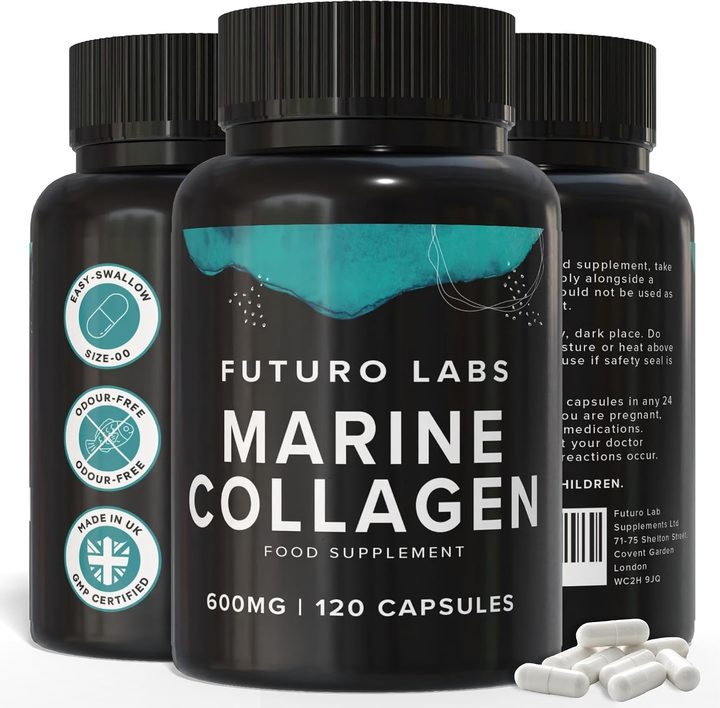
Our brand: the worked example on this page
Futuro Labs Marine Collagen
- 28p a day
- 120 capsules, 2 capsules daily
- Lab tested
- Made in the UK
The cofactor of the first step, paired with the protocol's protein: Futuro Labs Marine Collagen on Amazon UK, 2 capsules, 1200mg hydrolysed type 1 marine collagen with 12mg vitamin C at 15% NRV plus 1.5mg zinc, 120 for £16.99, 28p a day, lab tested and UK made, the vitamin C contributing to normal collagen formation and the collagen below the ~15g protocol. Full label breakdown. Why no vitamin treats tendonitis is on the best vitamin for tendonitis page; the verb audit on the supplements for tendonitis repair page; the stages on the tendon healing stages page.
The tendon's collagen factory, enzyme by enzyme, and the cofactor each one needs
Which vitamin is good for tendon repair is a question the shelf answers with a formula and the honest page answers from the tendon's own biochemistry, because a tendon repairs itself by making collagen, the cells that make collagen use a short list of enzymes, and each enzyme needs a cofactor, so the vitamins and minerals that matter to a tendon name themselves once the factory is described. A tendon fibroblast begins by assembling three procollagen chains from amino acids, glycine at every third position with proline and lysine among the rest, and then modifies those chains before they can wind into the triple helix: the prolyl hydroxylases add a hydroxyl group to proline, making the hydroxyproline that lets the helix hold its shape at body temperature, and the lysyl hydroxylases do the same to lysine, making the sites where the fibres will later be cross-linked. Both enzyme families require vitamin C and iron as cofactors, and this is the step that fails without vitamin C, the reason severe deficiency historically produced connective tissue failure, wounds that would not heal and old scars that reopened, and the reason vitamin C holds the register's authorised sentence that it contributes to normal collagen formation for the normal function of cartilage, bones, skin, gums, teeth and blood vessels, the only collagen sentence any nutrient holds. The chains are then glycosylated, wound, secreted from the cell and trimmed into collagen, and outside the cell the last enzyme does the job that gives a tendon its strength: lysyl oxidase, a copper-dependent enzyme, forms the cross-links between collagen molecules that turn a bundle of fibres into a rope, so copper is the mineral of tendon strength and holds the register's sentence that it contributes to the maintenance of normal connective tissues. Meanwhile the matrix around the fibres is continuously remodelled by zinc-dependent enzymes, the metalloproteinases that cut old collagen away so new can align, so zinc holds sentences for normal protein synthesis and the maintenance of normal skin and bones. That is the factory, and its cofactors are vitamin C, iron, copper and zinc, in that order of the process.
The muscle that loads the tendon, the verbs the register grants, and what the list means for a lifter
One nutrient belongs on the list for a reason outside the tendon, and it is the one lifters most often ask about. The repair of a tendon is driven by load, the fibroblasts aligning the collagen they make to the tension they feel, and the tension is supplied by the muscle the tendon belongs to, so the muscle doing the loading has to work, and vitamin D contributes to the maintenance of normal muscle function, with deficiency producing the proximal weakness that makes a rehabilitation programme harder to do, common through a UK autumn and winter, so vitamin D is on the list not because it touches the tendon but because it keeps the engine of the repair running, at ten micrograms a day through the winter by the national guidance. Now the verbs, because they are the whole of the honesty. Every sentence above is a maintenance sentence: vitamin C contributes to normal collagen formation, copper to the maintenance of normal connective tissues, zinc to normal protein synthesis, vitamin D to normal muscle function, and not one of them says repairs, heals, rebuilds or strengthens, because the evidence behind each is deficiency evidence, what fails without the nutrient, and not evidence that more of it than the body needs makes a tendon heal faster or stronger than normal, which no trial has shown for any of them. The list means two things for a lifter with a tendon problem. First, that every cofactor on it is met from an ordinary varied diet, vitamin C from fruit and vegetables, iron from meat, beans and fortified cereals, copper from nuts, seeds, shellfish and whole grains, zinc from meat, dairy, beans and seeds, and vitamin D from a winter tablet, so that a reader eating well is already supplying the factory and a reader eating badly fixes the diet before the tub. Second, that the factory runs at the rate the load sets and not at the rate the cofactors are supplied, so a lifter with a painful tendon repairs it by progressive loading under a physiotherapist over months, and the vitamins hold the floor beneath that work without accelerating it. The pre-loading protocol is where the first cofactor and the protocol's protein meet: around fifteen grams of gelatin or hydrolysed collagen with roughly 50mg of vitamin C an hour before the loading session doubled a collagen synthesis marker in a small trial, the vitamin C there because it is the hydroxylase cofactor and the collagen supplying the glycine, proline and lysine the chains are built from, an adjunct beside the sessions with a marker and one small outcome trial behind it. Vitamins for tendonitis repair are the same list with the same verbs, since chronic tendon pain is healing that stalled and is restarted by load rather than by any nutrient. The worked example pairs the cofactor with the protein on its true terms: two capsules, 1200mg hydrolysed type 1 marine collagen with 12mg vitamin C plus 1.5mg zinc, 120 for £16.99 at 28p a day, lab tested and UK made, the vitamin C contributing to normal collagen formation at 15% of its reference value, the zinc to normal protein synthesis, the collagen below the protocol's grams. Which vitamin is good for tendon repair: vitamin C, the cofactor of the first step, beside copper, iron and zinc for the rest of the factory and vitamin D for the muscle that runs it, all maintenance and none repair, with the repair being the load.
| The step | The enzyme | The cofactor | The register's sentence |
|---|---|---|---|
| Hydroxylating proline and lysine in the chain | Prolyl and lysyl hydroxylases | Vitamin C and iron | Vitamin C contributes to normal collagen formation for the normal function of cartilage and bones |
| Cross-linking the fibres outside the cell | Lysyl oxidase | Copper | Copper contributes to the maintenance of normal connective tissues |
| Remodelling the matrix | Zinc-dependent metalloproteinases | Zinc | Zinc contributes to normal protein synthesis and the maintenance of normal skin and bones |
| Loading the tendon | The muscle, not an enzyme | Vitamin D among others | Vitamin D contributes to the maintenance of normal muscle function |
| The verbs | All of the above | None | Contributes to, maintenance of: never repairs |
| The sources | An ordinary varied diet | Fruit and vegetables; meat, beans, nuts, seeds, shellfish; a winter vitamin D tablet | Fix the diet before the tub |
| The protocol | The first cofactor meets the protein | ~15g collagen with ~50mg vitamin C an hour before loading | A marker adjunct beside the sessions |
| The worked exampleOurs | Cofactor plus protein | Two capsules, 1200mg marine collagen with 12mg vitamin C plus 1.5mg zinc, 28p a day | Vitamin C's sentence at 15% NRV; collagen below the protocol |
What to check on the label
- Name the enzymes: hydroxylases, lysyl oxidase, metalloproteinases.
- Supply the cofactors from food: vitamin C, iron, copper, zinc.
- Keep the engine running: vitamin D through winter for the muscle.
- Read every sentence as maintenance: none says repair.
- Let the load set the rate: the factory runs at the programme's pace.
Our brand
The worked example: Futuro Labs Marine Collagen
Futuro Labs Marine Collagen: 2 capsules daily, 1200mg hydrolysed type 1 marine collagen with 12mg vitamin C and 1.5mg zinc (15% NRV each), 120 capsules for £16.99, 60 days at 28p a day, lab-tested, UK GMP made. Slim veggie-shell capsules, odour free. Fish derived: pescatarian, not vegetarian or vegan.
- Collagen per serving
- 1200mg hydrolysed type 1 marine (fish)
- Co-factors
- vitamin C 12mg (15% NRV), zinc 1.5mg (15% NRV)
- Serving
- 2 capsules a day
- Bottle
- 120 capsules, 60 days
- Price
- £16.99 (28p a day)
- Capsule
- slim size 00, veggie shell, odour free
Questions people also ask
Which vitamin helps tendons heal?
Vitamin C, as the cofactor of the prolyl and lysyl hydroxylases that shape every collagen chain a tendon's fibroblasts make, the step that fails in scurvy, holding the register's sentence that it contributes to normal collagen formation, a maintenance role met from fruit and vegetables, with the healing itself driven by progressive loading.
Is copper important for tendons?
Yes, as the cofactor of lysyl oxidase, the enzyme that cross-links collagen fibres outside the cell and turns a bundle into a rope, so copper contributes to the maintenance of normal connective tissues by the register's sentence and is met from nuts, seeds, shellfish and whole grains in an ordinary diet.
Does vitamin D help tendon repair?
Indirectly: vitamin D contributes to the maintenance of normal muscle function, and the muscle is what loads the tendon and drives its remodelling, so a lifter deficient through a UK winter has a weaker engine for the rehabilitation programme, corrected at ten micrograms a day by guidance, without vitamin D touching the tendon itself.
Should I take a vitamin supplement for tendonitis?
Fix the diet first: every cofactor of collagen synthesis, vitamin C, iron, copper and zinc, is met from an ordinary varied diet, vitamin D from a winter tablet, and all hold maintenance sentences rather than repair ones, so a reader eating well is already supplying the factory and treats the tendonitis with the loading programme a physiotherapist sets.
Why is vitamin C paired with collagen in tendon protocols?
Because it is the hydroxylase cofactor and the collagen is the substrate: around fifteen grams of gelatin or hydrolysed collagen supplies the glycine, proline and lysine the chains are built from, roughly 50mg of vitamin C supplies the cofactor that shapes them, and taken an hour before loading the pair doubled a collagen synthesis marker in a small trial, an adjunct beside the sessions.
Sources
- The collagen biosynthesis literature: procollagen chains are hydroxylated by prolyl and lysyl hydroxylases that require vitamin C and iron as cofactors, glycosylated, assembled and secreted, then cross-linked outside the cell by lysyl oxidase, a copper-dependent enzyme, with zinc-dependent enzymes remodelling the matrix, so the cofactors of collagen synthesis are vitamin C, iron, copper and zinc, each with a register sentence for connective tissue or collagen formation. PubMed record
- The vitamin C deficiency literature: severe deficiency impairs collagen synthesis and produces connective tissue failure, the historical disease scurvy, essentially absent on ordinary modern diets. PubMed record
- The GB claims register, vitamin D entries: vitamin D contributes to normal bones, teeth, muscle function, immune function and calcium absorption, with UK guidance suggesting 10 micrograms daily in autumn and winter. https://www.gov.uk/government/publications/great-britain-nutrition-and-health-claims-nhc-register
- The gelatin and vitamin C pre-exercise research (Shaw, Baar and colleagues): 15g gelatin with vitamin C taken about an hour before loading, studied for markers of collagen synthesis, the protocol behind the tendon-training conversation. PubMed record