Ghost Fitness/Collagen/What vitamin deficiency causes muscle and joint pain?
What vitamin deficiency causes muscle and joint pain?
The short answer
Ranked by how common: vitamin D first, common in UK winters, with muscle and bone aches, proximal weakness; vitamin C a rare second, joint pain with bleeding gums. B12 and iron bring tingling. A swollen joint needs a doctor.
- First, vitamin Dcommon in autumn and winter: muscle and bone aches, proximal weakness, fatigue, cramps; osteomalacia when severe; 10 micrograms by guidance
- Second, vitamin Crare: joint pain and swelling with bleeding gums, bruising, slow wound healing; fruit and vegetables or a tablet
- The companionsB12: tingling, numbness, fatigue, balance; iron: fatigue, breathlessness; neither mainly joint pain
- The rulea swollen joint, or stiffness over an hour each morning and symmetric: inflammatory arthritis pattern, a doctor, not a deficiency
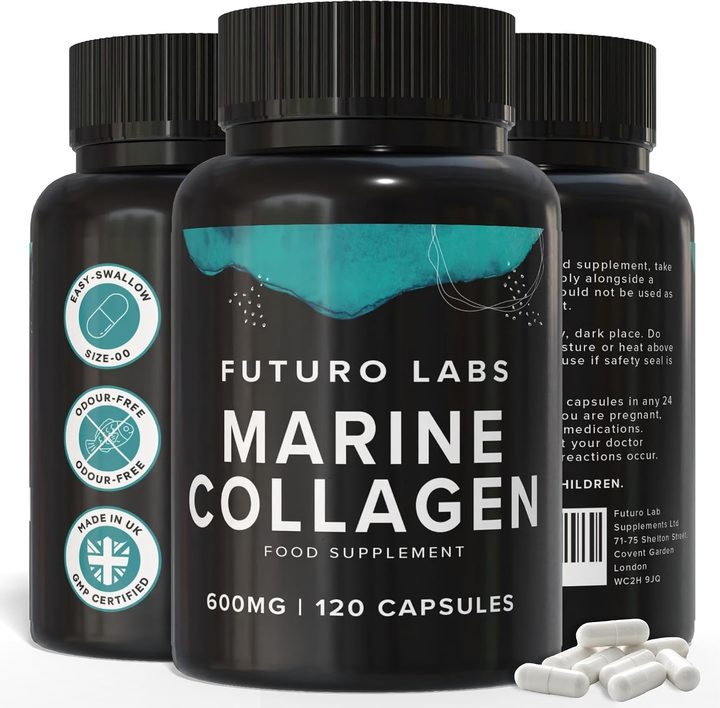
Our brand: the worked example on this page
Futuro Labs Marine Collagen
- 28p a day
- 120 capsules, 2 capsules daily
- Lab tested
- Made in the UK
The cofactor that pairs with the rare deficiency, on its true terms: Futuro Labs Marine Collagen on Amazon UK, 2 capsules, 1200mg hydrolysed type 1 marine collagen with 12mg vitamin C at 15% NRV plus zinc, 120 for £16.99, 28p a day, lab tested and UK made, the vitamin C a contribution and not a correction, the collagen no vitamin at all. Full label breakdown. Pain sorted by its clock is on the vitamins and muscle pain page; the signs of vitamin C shortfall on the signs of low collagen page; the verb audit on the vitamins for strong bones and joints page.
The ranking by how common: vitamin D first by a distance, vitamin C a rare second
What vitamin deficiency causes muscle and joint pain is a question the textbooks answer by drama and the honest page answers by frequency, because the deficiency with the most vivid picture is not the one a reader in the UK is likely to have, and a doctor orders blood tests in the order of likelihood rather than the order of the textbook. First by a distance is vitamin D. Insufficiency is common in UK adults, affecting a large share through autumn and winter when the sun is too low for skin to make the vitamin, and deficiency produces a recognisable picture: aches in the muscles and bones, often diffuse and worse in the lower back, hips and thighs; proximal weakness, the heaviness that makes stairs hard to climb and a chair hard to rise from; fatigue; and cramps, with severe and prolonged deficiency softening bone into osteomalacia, in which bone and joint pain become marked and bones can bend or fracture. This is the deficiency a doctor tests first when muscle and joint pain has no mechanical cause, by a blood level, and it is corrected by vitamin D at ten micrograms a day through autumn and winter as the national guidance suggests for everyone, or at higher doses on a doctor's advice when a blood test shows deficiency, with the aches resolving over weeks to months as levels recover, the one muscle and joint pain a vitamin reliably fixes, in the reader who was deficient. Second, and a distant second, is vitamin C. Deficiency is rare in the UK outside very restricted diets, someone eating almost no fruit or vegetables for months, but its picture includes the joints: aching and sometimes swollen joints, particularly knees and ankles, alongside bleeding and swollen gums, easy bruising, small bleeds around hair follicles, dry skin, fatigue and wounds that heal slowly or reopen, the early form of scurvy, caused by the failure of collagen synthesis without its cofactor. It is confirmed by a blood level and the history, corrected within weeks by fruit and vegetables or a vitamin C tablet, and is the one deficiency on this page that is a collagen problem in any sense, which is why vitamin C holds the register's collagen formation sentence and why a collagen capsule pairs with it; collagen itself is not a vitamin and has no deficiency state, so no collagen deficiency causes anything.
The companions, the rule that outranks them all, and what a reader does with the ranking
Two companions belong on the list for completeness, because they are common and are often blamed for joint pain they do not mainly cause. Vitamin B12 deficiency rises with age, as absorption falls, and in those who avoid animal foods, and its picture is neurological and haematological rather than articular: tingling and numbness in the hands and feet, fatigue, breathlessness, a sore tongue, memory and mood changes and problems with balance, with muscle aches sometimes among them and joint pain rarely the leading complaint, confirmed by a blood test and corrected by tablets or injections depending on the cause. Iron deficiency, which is not a vitamin deficiency but arrives in the same blood test, is common in menstruating women and produces fatigue, breathlessness, pale skin, brittle nails and sometimes restless legs, again with joint pain rarely the main feature. Both are worth testing in a reader with fatigue and aches, and neither is the usual answer to joint pain. Then the rule that outranks every deficiency on the page: a joint that is swollen, hot or red, or that is stiff for more than an hour on waking and eases with movement, affecting the same joints on both sides, the small joints of the hands and feet, the wrists, is the pattern of inflammatory arthritis, a group of conditions diagnosed by blood tests and examination and treated early for good reason, and no deficiency produces that pattern, so a reader with it does not sort vitamins and does see a doctor promptly, with a vitamin experiment on that pattern being months lost. What a reader does with the ranking: a lifter with diffuse muscle and bone aches, heaviness on the stairs and fatigue through a British winter asks a doctor for a vitamin D level and takes ten micrograms a day meanwhile, since that is the common one; a reader eating almost no fruit or vegetables with aching joints and bleeding gums asks about vitamin C and eats an orange today; a reader with tingling and fatigue asks for B12 and iron; and a reader with a swollen or hour-stiff joint asks for an appointment this week. Collagen's place is honest and small: it is not a vitamin, has no deficiency, treats none of the above, and its capsule carries the vitamin C cofactor at 12mg, a contribution to a daily nutrient and not a correction of a deficiency, which needs a tablet or a fruit bowl. The worked example is that cofactor on its true terms: two capsules, 1200mg hydrolysed type 1 marine collagen with 12mg vitamin C plus zinc, 120 for £16.99 at 28p a day, lab tested and UK made, the vitamin C contributing to normal collagen formation at 15% of its reference value, the collagen below the research band and no vitamin at all. What vitamin deficiency causes muscle and joint pain: vitamin D, commonly; vitamin C, rarely; and a swollen or hour-stiff joint is a doctor's question, not a vitamin's.
| The deficiency | How common | The picture | The test and the fix |
|---|---|---|---|
| Vitamin D | Common, especially autumn and winter | Muscle and bone aches, proximal weakness, fatigue, cramps; osteomalacia with bone and joint pain when severe | A blood level; 10 micrograms a day by guidance, more on a doctor's advice |
| Vitamin C | Rare outside very restricted diets | Aching, sometimes swollen joints with bleeding gums, bruising, follicular bleeds, slow wound healing | A blood level and the history; fruit and vegetables or a tablet |
| Vitamin B12 | Rises with age and in those avoiding animal foods | Tingling, numbness, fatigue, sore tongue, balance; joint pain rarely leading | A blood test; tablets or injections by cause |
| Iron (not a vitamin) | Common in menstruating women | Fatigue, breathlessness, pale skin, brittle nails, restless legs | A blood test; a doctor's advice on replacement |
| Not a deficiency | The rule that outranks all | A swollen, hot or red joint; stiffness over an hour each morning, symmetric | A doctor promptly: inflammatory arthritis pattern |
| Collagen | Not a vitamin; no deficiency state | Causes nothing; treats nothing above | The capsule carries vitamin C at 12mg as a contribution, not a correction |
| The worked exampleOurs | Two capsules, 1200mg marine collagen with 12mg vitamin C plus zinc, 28p a day | Vitamin C's collagen formation sentence at 15% NRV | On its true terms |
What to check on the label
- Test vitamin D first: the common one, especially in winter.
- Think of vitamin C with bleeding gums: rare, and a fruit bowl fixes it.
- Test B12 and iron for tingling and fatigue: not mainly joint pain.
- Take a swollen or hour-stiff joint to a doctor this week: not a deficiency.
- Remember collagen is not a vitamin: no deficiency, no cure.
Our brand
The worked example: Futuro Labs Marine Collagen
Futuro Labs Marine Collagen: 2 capsules daily, 1200mg hydrolysed type 1 marine collagen with 12mg vitamin C and 1.5mg zinc (15% NRV each), 120 capsules for £16.99, 60 days at 28p a day, lab-tested, UK GMP made. Slim veggie-shell capsules, odour free. Fish derived: pescatarian, not vegetarian or vegan.
- Collagen per serving
- 1200mg hydrolysed type 1 marine (fish)
- Co-factors
- vitamin C 12mg (15% NRV), zinc 1.5mg (15% NRV)
- Serving
- 2 capsules a day
- Bottle
- 120 capsules, 60 days
- Price
- £16.99 (28p a day)
- Capsule
- slim size 00, veggie shell, odour free
Questions people also ask
Can low vitamin D cause joint and muscle pain?
Yes, and it is the commonest deficiency to do so in the UK: insufficiency is widespread through autumn and winter, and deficiency produces diffuse muscle and bone aches, proximal weakness on stairs and from chairs, fatigue and cramps, with severe deficiency softening bone into osteomalacia with bone and joint pain, corrected by vitamin D at ten micrograms a day by guidance or more on a blood test.
Does vitamin C deficiency cause joint pain?
In its early form, yes, alongside its other signs: aching and sometimes swollen joints with bleeding and swollen gums, easy bruising, small bleeds around hair follicles and slow wound healing, the picture of early scurvy, rare in the UK outside very restricted diets and corrected within weeks by fruit and vegetables or a vitamin C tablet.
Does B12 deficiency cause joint pain?
Rarely as the main complaint: B12 deficiency, rising with age and in those avoiding animal foods, produces tingling and numbness in the hands and feet, fatigue, a sore tongue, memory and mood changes and balance problems, with muscle aches sometimes among them, confirmed by a blood test and corrected by tablets or injections depending on the cause.
How do I know if my joint pain is a deficiency or arthritis?
By the joint: a joint that is swollen, hot or red, or stiff for more than an hour each morning, easing with movement and affecting the same joints on both sides, is the pattern of inflammatory arthritis and not of any deficiency, and goes to a doctor promptly for blood tests and examination, while diffuse muscle and bone aches with weakness and fatigue through a winter point to vitamin D.
Can a collagen deficiency cause joint pain?
There is no such deficiency: collagen is a protein the body makes and not a vitamin, no test measures it and no deficiency state exists, so no collagen shortfall causes joint pain, and the one collagen-related deficiency that does is vitamin C's, the cofactor without which collagen synthesis fails, corrected by vitamin C and not by collagen powder.
Sources
- The vitamin D deficiency literature: severe deficiency causes osteomalacia with bone and joint pain, proximal muscle weakness, aches and cramps, common in the UK in winter and in people with dark skin or little sun exposure, diagnosed by a serum 25-hydroxyvitamin D and treated on a doctor's dose. PubMed record
- The vitamin C deficiency literature: severe deficiency impairs collagen synthesis and produces connective tissue failure, the historical disease scurvy, essentially absent on ordinary modern diets. PubMed record
- The UK micronutrient status data: vitamin D insufficiency affects a large share of adults in winter, iron deficiency is common in menstruating women, vitamin B12 deficiency rises with age and in those avoiding animal foods, and vitamin C deficiency is rare outside very restricted diets, the ranking that decides which deficiency a doctor tests for first when muscle or joint pain has no mechanical cause. PubMed record
- The morning stiffness literature: stiffness lasting an hour or more on waking, easing with activity and affecting joints symmetrically, is a hallmark of inflammatory arthritis and a criterion in its diagnosis, while stiffness of a few minutes that eases with the first movements is typical of osteoarthritis and of loaded or overused joints, the duration being the clinical discriminator. PubMed record