Ghost Fitness/Collagen/What do bodybuilders use for joint pain?
What do bodybuilders use for joint pain?
The short answer
Survey the locker room and grade it: short NSAID courses, fish oil, glucosamine, collagen and curcumin all circulate, none with strong joint evidence. What actually works is programming, load management, technique and the free first-line trio.
- The census entriesNSAIDs, fish oil, glucosamine, collagen, curcumin: what circulates
- The gradingno supplement holds strong joint evidence: the honest headline
- What actually worksprogramming, load management, technique, the free trio
- The triage linepersistent pain is a physio or GP conversation, never mask-and-lift
Our brand: the worked example on this page
Futuro Labs Marine Collagen
- 28p a day
- 120 capsules, 2 capsules daily
- Lab tested
- Made in the UK
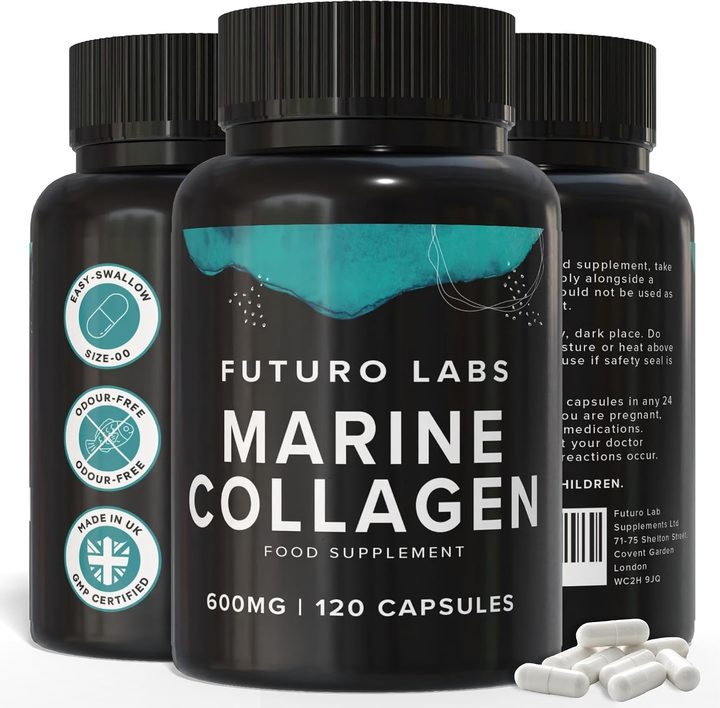
The census's honest collagen entry: Futuro Labs Marine Collagen on Amazon UK, 1200mg hydrolysed type 1 with vitamin C at 15% NRV carrying the cartilage-function sentence, no joint promises, £16.99 for 60 days at 28p. Full label breakdown. The joint budget is on the ledger page; the evidence countdown on the top-10 page.
The census taken honestly: what actually circulates in gyms, entry by entry, graded
Walk the locker room and take the census honestly, because the do-any-really-work variants deserve a straight survey rather than a sales page. Entry one, over-the-counter painkillers and NSAID gels: the most used and least discussed, paracetamol and ibuprofen courses and the topical NSAID gels the pharmacist pages rank as the one genuinely evidenced counter option for localised joint pain, graded effective short-term for symptoms with the standing warning attached, never used to silence a joint so it can be loaded harder, masking-to-train being how niggles become injuries. Entry two, fish oil: widely taken, modestly researched for joint comfort in inflammatory conditions, no authorised joint claim, graded honest-but-oversold in gym culture. Entry three, glucosamine, the legacy entry: the aisle's most-tested joint supplement and its cautionary tale, the large independent trials coming back negative while sponsored ones flattered, graded largely failed by its own best evidence. Entry four, collagen: this section's whole catalogue compressed, no joint claim at any dose, the lawful vocabulary belonging to vitamin C and manganese as cofactors, the type 2 chicken-sternum story a separate 40mg research bet, graded claim-free with two honest side lanes. Entry five, curcumin: the interesting unsettled file, real OA symptom trials, mixed results, absorption problems, a genuine medication caution, graded the aisle's most promising maybe. And the census's summary line, printed without flinching for every variant that asked: no supplement in the room holds strong joint evidence, and the ones with the biggest reputations hold the least.
What veteran lifters actually credit, the triage line, and the honest shopping list that remains
Ask the lifters with twenty painless years what they credit and the census changes vocabulary entirely, because the working answers were never in the cupboard: programming, the volume and intensity managed so joints adapt rather than accumulate, deloads taken before they are forced; load management around niggles, the exercise-selection fluency that trains around an angry joint, swaps depth, tempo and implements, and returns by criteria rather than calendar per the rehab pages; technique and range worked honestly, the pain that vanishes when the movement is owned rather than survived; bodyweight kept where the joints vote for it; and the free first-line trio underneath it all, strengthening around the joint, regular movement, and warm-ups that prepare rather than perform. The triage line this page owes every reader in actual pain: persistent, worsening, swelling, locking or night-waking joint pain is a physiotherapist or GP conversation, not a supplement search, the professional pathway outranking every census entry, and the masking warning repeating because gyms need it, painkillers before training being a loan against the joint at interest. The honest shopping list that remains after all of it, for the lifter who wants the cupboard covered anyway: the claims tier at pennies, vitamin C and manganese for the connective-tissue sentences, vitamin D per UK winter guidance for the muscle crossing the joint, mostly diet-met; a topical NSAID gel in the gym bag for genuine short-term flare management, used as the label and pharmacist direct; the optional research bets, curcumin or the 40mg type 2 story, priced flat and cleared with a pharmacist where medication exists; and the census's collagen entry as this site always files it, a cofactor carrier at 28p claiming nothing about the joints its buyers keep asking after, which, after this survey, reads less like a limitation and more like the only honest label in the room.
| The entry | The evidence grade | The honest use |
|---|---|---|
| NSAIDs and topical gels | Effective short-term for symptoms | Flare management: never mask-to-train |
| Fish oil | Modest, condition-specific, no claim | Honest but oversold in gym culture |
| Glucosamine | Failed its biggest fair trials | The legacy entry: a cautionary tale |
| Collagen | No joint claim at any dose | The cofactor carrier; two side lanes |
| Curcumin | Real but unsettled OA file | The promising maybe: pharmacist first on medication |
| Programming and the free trio | What veterans actually credit | The answer that was never a supplement |
The verdict, posted on the noticeboard
What do bodybuilders use for joint pain: the census finds NSAIDs and gels for flares, fish oil on reputation, glucosamine on legacy, collagen on marketing and curcumin on promise, with the do-they-really-work variants answered plainly, no supplement in the room holds strong joint evidence, and the working answers living in programming, load management, technique, bodyweight and the free first-line trio, with persistent pain routed to a physio or GP rather than a shelf. The census's collagen entry closes at its honest size: Futuro Labs Marine Collagen, 1200mg hydrolysed type 1 with 12mg vitamin C at 15% NRV carrying the cartilage-function sentence, 1.5mg zinc alongside, lab tested, UK made, £16.99 for 60 days at 28p a day, a tub that promises the joints nothing, in a survey where that turned out to be the highest grade available.
What to check on the label
- Take the census honestly: five entries circulate, none strongly evidenced.
- Never mask to train: painkillers before loading turn niggles into injuries.
- Veterans credit programming: volume, technique, deloads, bodyweight.
- Persistent pain is triage: physio or GP before any shelf.
- The claims tier costs pennies: C, manganese and D, mostly diet-met.
Our brand
The worked example: Futuro Labs Marine Collagen
Futuro Labs Marine Collagen: 2 capsules daily, 1200mg hydrolysed type 1 marine collagen with 12mg vitamin C and 1.5mg zinc (15% NRV each), 120 capsules for £16.99, 60 days at 28p a day, lab-tested, UK GMP made. Slim veggie-shell capsules, odour free. Fish derived: pescatarian, not vegetarian or vegan.
- Collagen per serving
- 1200mg hydrolysed type 1 marine (fish)
- Co-factors
- vitamin C 12mg (15% NRV), zinc 1.5mg (15% NRV)
- Serving
- 2 capsules a day
- Bottle
- 120 capsules, 60 days
- Price
- £16.99 (28p a day)
- Capsule
- slim size 00, veggie shell, odour free
Questions people also ask
Do any joint supplements really work for lifters?
None holds strong joint evidence: glucosamine failed its biggest fair trials, collagen holds no claim, fish oil is modest, and curcumin's real file remains small and unsettled.
What is the most effective joint supplement?
By authorised evidence, the claims tier: vitamin C and manganese for connective-tissue sentences and vitamin D for muscle function, pennies each and mostly diet-met, with everything else graded below.
What actually keeps bodybuilders' joints healthy?
The unshelved answers: managed volume and intensity, honest technique and range, deloads, load management around niggles, bodyweight, and strengthening around the joint.
Is it OK to take painkillers before training?
For masking, no: silencing a joint to load it harder is how niggles become injuries. Short courses and topical NSAID gels are flare tools, used as labels and pharmacists direct.
When does joint pain need a professional?
Persistent, worsening, swelling, locking or night-waking pain: a physiotherapist or GP conversation outranks every supplement in this census.
Sources
- The glucosamine and chondroitin trial record: large independent randomised trials in osteoarthritis returned results that failed to support the category's promises, a cautionary benchmark for the whole joint shelf. PubMed record
- The topical NSAID evidence: gel formulations are an established, guideline-recognised option for some osteoarthritis and soft tissue pain, with pharmacist guidance on suitability and use. PubMed record
- The curcumin bioavailability literature: plain curcumin is poorly absorbed, which is why formulations and piperine co-administration dominate the research, and why label milligrams overstate what arrives. PubMed record
- Futuro Labs Marine Collagen listing and label: 1200mg hydrolysed type 1 marine collagen per 2-capsule serving with 12mg vitamin C and 1.5mg zinc at 15% NRV each, 120 capsules, independently lab tested, UK made. https://www.amazon.co.uk/dp/B0C2J7N364