Ghost Fitness/Omega-3/What should you look for in rancid fish oil symptoms?
What should you look for in rancid fish oil symptoms?
The short answer
Look for the oil's symptoms first: a sharp painty smell, bitter taste, darkened or cloudy oil, soft leaking capsules. In you, rancid oil means at most mild stomach upset and harsh repeats, not poisoning: stop taking it, bin the bottle.
- 2 symptom setsthe oil's own signs, and the body's mild complaints: check the oil first
- The smellsharp, painty, old-fish pungency: rancidity's unmistakable confession
- Not poisoningthe honest medical sizing: stop and bin, no alarm needed
- 1 capsulethe cost of certainty: cut, smell, verdict
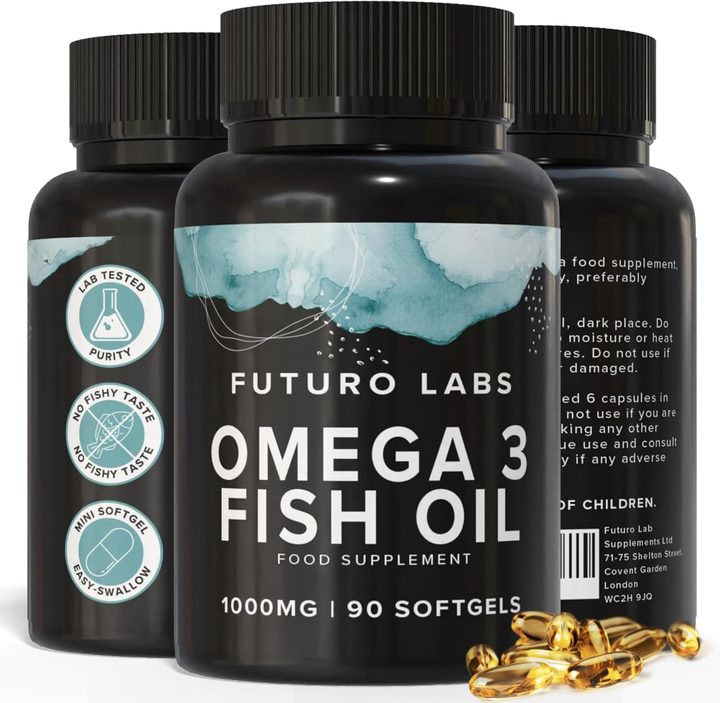
Our brand: the worked example on this page
Futuro Labs Omega 3 Fish Oil
- 17p a day
- 90 softgels, 1 softgel daily
- Lab tested
- Made in the UK
Tested oil that keeps the symptom sheet blank: Futuro Labs Omega 3 Fish Oil on Amazon UK, lab-tested, opaque 90-count, £14.99. Label breakdown. What to do with a failed bottle is on the expired capsules page; storage rules on the refrigeration page.
The oil's symptoms: what rancidity looks, smells and tastes like
Rancid fish oil confesses through the senses, and the signs are worth knowing precisely because fresh oil is so unremarkable by contrast. Smell is the headline symptom and the most reliable: fresh refined oil reads faintly marine to nearly neutral, while oxidised oil carries a sharp, sour-edged pungency the nose files somewhere between old fish, paint and putty, unmistakable once met and the basis of the one-capsule test, cut a softgel, smell the contents, take the verdict. Taste corroborates: bitterness and a harsh, lingering sourness where fresh oil is bland. Appearance adds circumstantial evidence: oil darkened from pale gold toward amber-brown, cloudiness or sediment in liquids, and, on capsules themselves, softening, stickiness, clumping in the bottle or a greasy film on the shells, the physical signs of leaking, aging stock. And behaviour testifies from use: repeats that turned harsh and rancid-tasting from doses that used to pass quietly are the bottle reporting its own decline, the diagnostic this section's burp pages formalise. Any one strong sign convicts; the smell alone is sufficient.
The body's symptoms, honestly sized, and what to do on a positive test
The second symptom set, what rancid oil does in a person, deserves deflation as much as description, because search results inflate it: swallowing oxidised fish oil is unpleasant rather than dangerous, and the honest inventory runs to harsh fishy repeats, a bitter aftertaste, and in some people mild, transient stomach upset, queasiness or looser digestion from a dose of degraded fat, none of it poisoning, none of it an emergency, and none of it requiring more response than stopping. The longer-run point is the real one: chronically consuming oxidised oil means chronically taking degraded EPA and DHA alongside the oxidation products the industry's peroxide and TOTOX limits exist to cap, paying full price for a diminished product, which is reason enough to act without any scare story attached. The action on a positive test is the short list from the neighbouring pages: stop taking that bottle, bin it with household rubbish, no pharmacy trip needed for a food supplement, replace it with fresh, tested, opaque-bottled stock in a size the routine finishes young, and store the newcomer cool, dark and tightly lidded so the symptom sheet stays blank. Anyone whose stomach complaints persist after stopping has an ordinary digestive question for a pharmacist, not a rancid-oil sequel.
| Symptom | Where it shows | What it means |
|---|---|---|
| Sharp, painty, old-fish smell | The cut-capsule test | The definitive confession: bin the bottle |
| Bitter, sour, lingering taste | A capsule or a repeat | Corroboration: oxidation products present |
| Darkened, cloudy oil | Visible in liquids and clear shells | Circumstantial: age and light exposure |
| Soft, sticky, clumped or leaking capsules | The bottle itself | Physical decline: the stock has aged badly |
| Harsh repeats from doses that used to pass | Daily use | The bottle reporting its own decline |
| Mild queasiness or upset after doses | The body, transiently | Unpleasant, not dangerous: stop and it settles |
| Anything persisting after stopping | The body, ongoing | A pharmacist question, not a rancid-oil sequel |
The verdict, and the habits that retire the page
What should you look for in rancid fish oil symptoms: the oil's confessions first, smell above all, taste, colour and capsule condition beside it, then the body's mild complaints read as corroboration rather than alarm, with the whole examination costing one cut capsule and thirty seconds. The response to a positive is stop, bin, replace; the prevention is the storage-and-sizing habit the neighbouring pages teach; and the purchase that keeps the sheet blank is the one built for it, Futuro Labs Omega 3 Fish Oil, lab-tested oil in an opaque 90-softgel bottle a daily habit finishes well inside its dating, £14.99 at 17p a day, UK made, whose capsules should smell of almost nothing for their entire working life. Rancidity announces itself; now you know the accent, and the whole problem reduces to listening once per bottle.
What to check on the label
- Smell is the definitive symptom: sharp, painty, old-fish pungency convicts alone.
- Taste, colour and capsule condition corroborate: bitter, darkened, soft or leaking.
- Harsh repeats from a once-quiet bottle: the stock reporting its own decline.
- In the body: mild and transient at worst: not poisoning, no emergency, just stop.
- The response: stop, bin, replace fresh: and size the next bottle to finish young.
Our brand
The worked example: Futuro Labs Omega 3 Fish Oil
Futuro Labs Omega 3 Fish Oil: 1 softgel daily with food, 1000mg fish oil providing 180mg EPA and 120mg DHA (300mg combined), 90 softgels for £14.99, 17p a day, lab-tested purity, UK GMP made. Gelatin shell, so not vegetarian.
- Fish oil per softgel
- 1000mg
- EPA / DHA per softgel
- 180mg / 120mg (300mg combined)
- Serving
- 1 softgel a day
- Bottle
- 90 softgels, 90 days
- Price
- £14.99 (17p a day)
- Softgel
- mini softgel, no fishy taste
Questions people also ask
How can I tell if my fish oil has gone rancid?
Cut a capsule and smell it: fresh oil is faintly marine, rancid oil is sharp, painty and unmistakable. Bitter taste, darkened oil and sticky capsules corroborate.
What happens if you take rancid fish oil?
Unpleasantness, not poisoning: harsh repeats, a bitter aftertaste and sometimes mild transient stomach upset. Stop taking the bottle and it settles.
Can rancid fish oil make you ill long-term?
The honest long-run cost is paying for degraded EPA and DHA plus the oxidation products quality limits exist to cap: reason enough to bin it without any scare story.
Do rancid capsules look different?
Often: softening, stickiness, clumping or a greasy film on shells, and darkened or cloudy oil inside, all circumstantial evidence the smell test confirms.
I feel queasy after fish oil even from a fresh bottle: what then?
If a fresh, fed dose still upsets you, that is a tolerance question rather than rancidity: try mid-meal dosing, and take persistent digestive complaints to a pharmacist.
Sources
- Futuro Labs Omega 3 Fish Oil listing: 1000mg fish oil per softgel providing 180mg EPA and 120mg DHA, 90 softgels. Amazon UK, accessed 31 August 2026. https://www.amazon.co.uk/dp/B0CP9T3BTN
- GOED Voluntary Monograph: the omega-3 industry's quality standard setting limits for heavy metals, dioxins and oxidation (peroxide, anisidine and TOTOX values) in fish oils. https://goedomega3.com
- Dyerberg J, Madsen P, Møller JM, Aardestrup I, Schmidt EB. Bioavailability of marine n-3 fatty acid formulations. Prostaglandins, Leukotrienes and Essential Fatty Acids 2010;83(3):137-141. PubMed record
- Scientific Advisory Committee on Nutrition and Committee on Toxicity. Advice on fish consumption: benefits and risks (two portions of fish a week, one oily). TSO, 2004. https://www.gov.uk/government/publications/sacn-advice-on-fish-consumption-benefits-and-risks