Ghost Fitness/Omega-3/How long does it take for omega-3 to work for memory?
How long does it take for omega-3 to work for memory?
The short answer
The trials have already waited for you: trials in cognitively healthy adults, including several years of a gram a day in older adults, measured word lists, recall and overall scores at six months, a year and beyond and found no memory improvement at any point. So there is no clock. The register's DHA claim at 250mg is for maintaining normal brain function, met from day one, not a memory improvement to wait for.
- What the trials waitedsix months, a year, two and more; several years at a gram a day in older adults
- What they measuredword lists, delayed recall, working memory, attention, overall scores
- What they foundno memory improvement at any point in cognitively healthy adults
- The claim's clockday one: DHA at 250mg contributes to the maintenance of normal brain function; two standard softgels to meet it
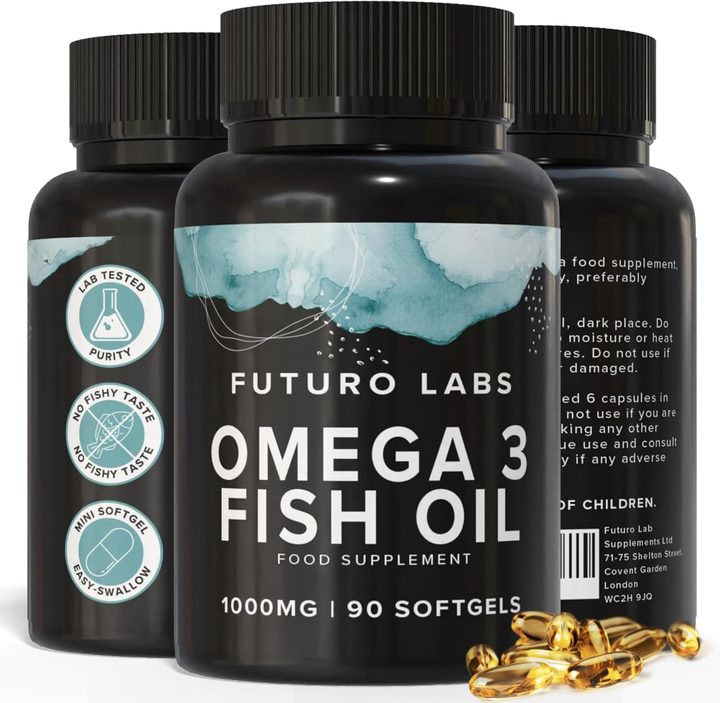
Our brand: the worked example on this page
Futuro Labs Omega 3 Fish Oil
- 17p a day
- 90 softgels, 1 softgel daily
- Lab tested
- Made in the UK
Two softgels for the DHA claim's 250mg, met from day one: Futuro Labs Omega 3 Fish Oil on Amazon UK, 1 to 2 softgels with food, 120mg DHA each, 90 for £14.99 at 17p. Full label breakdown. EPA or DHA for the brain is on the brain health page; creatine against omega-3 for the brain on the creatine comparison.
The trials have already waited, for months and years, measuring memory the proper way and finding nothing
How long it takes for omega-3 to work for memory is a question with an unusual answer, which is that the trials have already waited for you, for longer than any reader will, and found nothing, so there is no clock to give. The waiting: the randomised trials of omega-3 and cognition in cognitively healthy adults ran for six months, a year, two years and, in the largest trials in older adults, several years of a gram a day of EPA and DHA against placebo, which is longer than any reader asking this question plans to wait and far past the three to four months a membrane pool takes to reach its plateau, so the trials covered every clock a reader could propose. The measuring: they measured memory the way memory is measured, with word-list learning and delayed recall, digit spans and working memory tasks, attention and processing speed, and overall cognitive scores, at baseline and at intervals, rather than asking people whether they felt sharper, which the feel-so-good page's placebo response would have answered yes to. The finding: no improvement in memory, attention or overall cognition at any point, in any of the well-run trials in healthy adults, the Cochrane review pooling them and settling it, with the trials in mild cognitive impairment mixed and small and the trials in established dementia null, the omega-3 and cognition literature's shape. So a reader who asks how long to wait for omega-3 to improve their memory is asking for a clock the trials have already run out, and the honest answer is that no length of waiting will produce a memory improvement in a healthy adult, at a standard softgel or at a gram, because the improvement is not there to arrive.
The claim that does exist and its clock of day one, why memory feels different anyway, the reader with a real memory worry, and the clock filed
The claim that does exist is a different thing, and it has a clock of day one. The register authorises DHA contributes to the maintenance of normal brain function, at 250mg of DHA a day, a maintenance claim about the brain of a person already getting enough DHA continuing to function normally, which is met from the first day as a condition of use rather than something that builds, and which says nothing about memory improving, the register's wording being maintenance and normal rather than improve or enhance, so a reader takes DHA for the claim and gets the claim on day one, with two standard softgels at 120mg of DHA each needed to reach the 250mg and one falling short. Why memory feels different anyway: a reader a month into a tub who feels sharper has the feel-better ledger's usual answers, expectation, the sleep, the exercise and the resolve that arrived with the tub, and the fact that attention and memory are the functions most sensitive to sleep, alcohol, stress and load, so that a month of looking after oneself improves them measurably while a softgel does not. The reader with a real memory worry, forgetting names and appointments in a way that has changed, or a family member noticing, has a GP and a memory assessment before a supplement, and a supplement never instead of one, the mild cognitive impairment trials being mixed enough that a clinician and not a shelf decides whether omega-3 is part of that reader's plan. The rung for the brain, then, is the claim's, 250mg of DHA a day, two standard softgels or an oily-fish portion, and not a higher one, since the trials at a gram found no more for memory than the trials at less. The clock filed: no clock for memory improvement because the trials have waited years and found none, day one for the maintenance claim at 250mg of DHA, two standard softgels to meet it, a GP for a real memory worry, and the worked example being two softgels for the DHA claim, £14.99 for 90 at 17p.
| The question | What the trials did | The answer |
|---|---|---|
| How long did they wait? | Six months, a year, two; several years at a gram a day in older adults | Longer than any reader will |
| What did they measure? | Word lists, delayed recall, working memory, attention, overall scores | Memory measured properly, not felt |
| What did they find? | No improvement at any point in healthy adults; mixed in mild impairment; null in dementia | No clock exists |
| What claim exists? | DHA contributes to the maintenance of normal brain function, at 250mg a day | Met from day one; two standard softgels |
| Why do I feel sharper? | Sleep, exercise, less alcohol, expectation | The feel-better ledger's usual answers |
| A real memory worry | A GP and a memory assessment | Before a supplement, never instead |
The verdict, no clock for a memory improvement that the trials never found, and day one for the claim that exists
How long does it take for omega-3 to work for memory: the trials have already waited for you, running six months, a year, two years and several years at a gram a day of EPA and DHA in cognitively healthy adults, measuring memory with word lists, delayed recall, working memory and overall scores, and finding no improvement at any point, so that no clock exists because no length of waiting produces a memory improvement in a healthy adult, while the claim that does exist, that DHA contributes to the maintenance of normal brain function at 250mg a day, is met from day one by two standard softgels and is a maintenance claim rather than a memory improvement to wait for, with a real memory worry going to a GP before any supplement. Two softgels for the DHA claim's 250mg: Futuro Labs Omega 3 Fish Oil, one to two with food, 120mg DHA each, 90 for £14.99 at 17p.
What to check on the label
- Stop waiting for a memory improvement: the trials waited years and found none.
- Take the DHA claim on day one: 250mg, two standard softgels.
- Read maintenance as maintenance: not improve or enhance.
- Credit sleep and exercise for feeling sharper: the functions most sensitive to them.
- Take a real memory worry to a GP: before a supplement, never instead.
Our brand
The worked example: Futuro Labs Omega 3 Fish Oil
Futuro Labs Omega 3 Fish Oil: 1 softgel daily with food, 1000mg fish oil providing 180mg EPA and 120mg DHA (300mg combined), 90 softgels for £14.99, 17p a day, lab-tested purity, UK GMP made. Gelatin shell, so not vegetarian.
- Fish oil per softgel
- 1000mg
- EPA / DHA per softgel
- 180mg / 120mg (300mg combined)
- Serving
- 1 softgel a day
- Bottle
- 90 softgels, 90 days
- Price
- £14.99 (17p a day)
- Softgel
- mini softgel, no fishy taste
Questions people also ask
Does omega-3 improve memory?
Not in cognitively healthy adults: the randomised trials, including several years of a gram a day in older adults, measured word lists, delayed recall, working memory and overall scores and found no improvement at any point, the Cochrane review settling it, with the mild cognitive impairment trials mixed and the dementia trials null.
How much DHA for brain health?
250mg of DHA a day, the register's condition for the claim that DHA contributes to the maintenance of normal brain function, which is two standard softgels at 120mg of DHA each or a portion of oily fish, a maintenance claim met from day one and not a memory improvement that builds with time or dose.
Why do I feel sharper since I started taking fish oil?
Because attention and memory are the functions most sensitive to sleep, alcohol, stress and load, and a new tub usually arrives with better sleep, more exercise and a resolve to look after oneself, together with the expectation every trial's control arm measures, while the trials found no effect of the oil itself on memory at any duration.
Is a higher dose of omega-3 better for memory?
No: the trials at a gram a day found no more for memory than the trials at less, in healthy adults over years, so the rung for the brain is the claim's 250mg of DHA and not a higher one, with the higher rungs buying nothing for memory and carrying the side effects of grams.
I am worried about my memory, should I take omega-3?
See a GP first: a memory that has changed in a way you or others notice needs a memory assessment before a supplement and never a supplement instead of one, the mild cognitive impairment trials being mixed enough that a clinician decides whether omega-3 is part of a plan, and the DHA claim being taken meanwhile at 250mg for what it is.
Sources
- The omega-3 and cognition trials: the Cochrane review and the large trials in cognitively healthy adults, including several years of a gram a day in older adults, found no effect on memory, attention or overall cognitive scores, with the mild cognitive impairment trials mixed, so the register's DHA claim concerns the maintenance of normal brain function at 250mg a day and not the improvement of memory. PubMed record
- EFSA Panel on Dietetic Products. Scientific opinion on health claims related to DHA: maintenance of normal brain function and normal vision (250mg DHA daily condition of use). EFSA Journal 2010;8(10):1734. https://www.efsa.europa.eu/en/efsajournal/pub/1734
- The expectation and sleep literature: placebo responses in insomnia trials are substantial and rapid, subjective sleep improving within nights of starting an inert treatment the sleeper believes in. PubMed record
- Retained Regulation (EC) No 1924/2006 on nutrition and health claims made on foods, and the Great Britain nutrition and health claims register. https://www.gov.uk/government/publications/great-britain-nutrition-and-health-claims-nhc-register