Ghost Fitness/Omega-3/EPA vs DHA vs dpa: which is better?
EPA vs DHA vs dpa: which is better?
The short answer
DHA by mandate, holding the brain and vision claims; EPA and DHA combined for the heart claim; and DPA on neither list: the middle-child omega-3 has no claims and does not count toward the 250mg condition. Buy EPA and DHA.
- The middle childDPA: the long-chain omega-3 sitting between EPA and DHA
- 0 claimsDPA's regulatory scoreline: no mandates, at any dose
- Not countedDPA milligrams do not satisfy the EPA-and-DHA claim conditions
- 2 named membersevery authorised condition reads EPA and DHA specifically
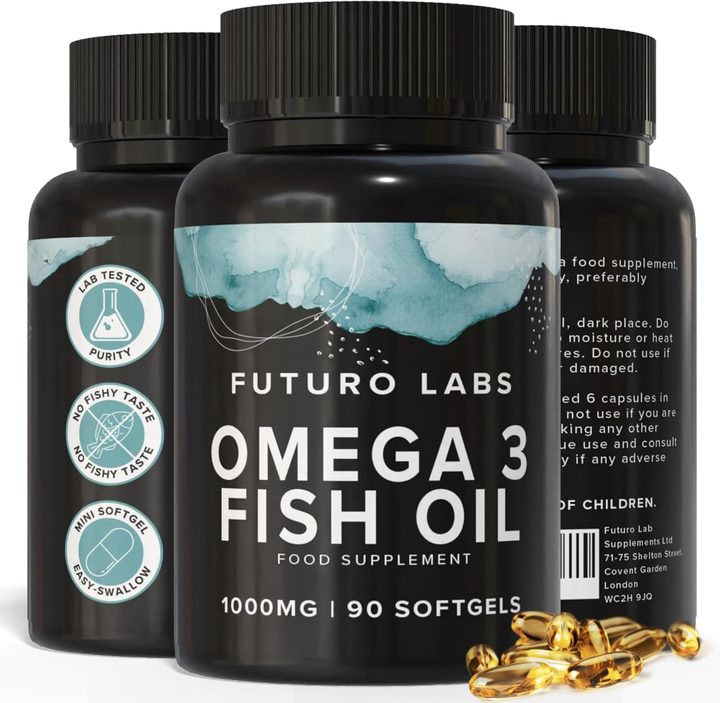
Our brand: the worked example on this page
Futuro Labs Omega 3 Fish Oil
- 17p a day
- 90 softgels, 1 softgel daily
- Lab tested
- Made in the UK
The two members the claims actually name: Futuro Labs Omega 3 Fish Oil on Amazon UK, 180mg EPA + 120mg DHA per softgel, £14.99 for 90 days. Label breakdown. The two-way contest is on EPA vs DHA; the family taxonomy on EPA, DHA and omega-3.
Meet DPA: what the middle child is, and where it hides
Docosapentaenoic acid, DPA, is the omega-3 family's least-introduced member: a 22-carbon, five-double-bond fatty acid sitting structurally and metabolically between EPA and DHA, the intermediate step on the body's own conversion pathway from one to the other, present in oily fish and notably concentrated in seal and some premium marine oils, circulating in everyone's blood at meaningful levels, and almost never declared on a supplement panel because the standard analytical and labelling conventions report EPA and DHA and fold everything else into the totals. Its research profile is genuinely interesting and genuinely early: DPA appears to act partly as a reservoir, retroconverting to EPA and elongating toward DHA as tissues demand, and early studies explore its own signalling roles, a literature the reviews describe as promising and small, which is the honest size at which this page will keep it. Where marketing has found DPA, it sells it as the forgotten omega-3, a framing that is accurate about the forgetting and premature about everything else.
The three-way scored, and the regulatory detail that decides the shopping
Run the contest and the familiar structure returns with a sharper edge. Claims: DHA holds its solo brain-function and vision mandates at 250mg of DHA; EPA holds none alone; and DPA holds none at any dose, its applications never having reached the register at all. The combined claims: here is the detail that settles the shopping question outright, because the heart-function condition, and the quantified 2g and 3g conditions above it, are written naming EPA and DHA specifically, meaning DPA milligrams, however genuine, do not count toward the 250mg a product must deliver, and a label leaning on total omega-3 including DPA to reach its numbers is padding the only figure that matters with a member the conditions do not recognise. Research: a three-way draw of open questions at different maturities, EPA's mood literature the largest, DHA's structural story the deepest, DPA's reservoir role the newest, none of it shopping advice. Availability: EPA and DHA in everything honest; DPA as an undeclared passenger in most fish oils and a declared selling point in a few premium ones, at prices the passenger status rarely justifies.
| Axis | EPA | DHA | DPA |
|---|---|---|---|
| Solo authorised claims | None | Brain and vision at 250mg DHA | None, at any dose |
| Counts toward the combined claims | Yes: named in the conditions | Yes: named in the conditions | No: the conditions do not recognise it |
| Research maturity | Largest file: mood, clinical | Deepest: structural, developmental | Newest: reservoir and signalling, early |
| Where you get it | Every honest marine oil | Every honest marine oil | An undeclared passenger in most fish oils |
| Worth shopping for by name | No: comes with the pair | Only for the 250mg DHA claims | No: premium DPA branding buys an open question |
The verdict, and the passenger left to ride free
EPA vs DHA vs DPA, which is better: DHA wherever the register speaks, the combined pair wherever the flagship claims live, and DPA nowhere yet, a genuinely interesting molecule whose defining regulatory fact is negative, that its milligrams do not count toward the conditions a shopper is actually buying against, which retires the premium-DPA aisle for everyone not deliberately funding early research. The practical shape is unchanged from the two-way contest: buy declared EPA and DHA against your target, let DPA ride along as the undeclared passenger it is in every honest fish oil anyway, and revisit the middle child if the register ever learns its name. The worked example carries the counted members plainly: Futuro Labs Omega 3 Fish Oil, 180mg EPA and 120mg DHA per softgel, 300mg of the milligrams that count, one a day with dinner, £14.99 for 90 days at 17p, lab-tested, UK made, its DPA content unadvertised for the sound reason that no condition anywhere asks about it.
What to check on the label
- DPA is the middle child: the intermediate between EPA and DHA, real and rarely declared.
- It holds no claims at any dose: the register has never learned its name.
- It does not count toward the conditions: 250mg means EPA and DHA specifically.
- Its research is promising and small: reservoir and signalling roles, early stage.
- Buy the named members: DPA rides free in every honest fish oil anyway.
Our brand
The worked example: Futuro Labs Omega 3 Fish Oil
Futuro Labs Omega 3 Fish Oil: 1 softgel daily with food, 1000mg fish oil providing 180mg EPA and 120mg DHA (300mg combined), 90 softgels for £14.99, 17p a day, lab-tested purity, UK GMP made. Gelatin shell, so not vegetarian.
- Fish oil per softgel
- 1000mg
- EPA / DHA per softgel
- 180mg / 120mg (300mg combined)
- Serving
- 1 softgel a day
- Bottle
- 90 softgels, 90 days
- Price
- £14.99 (17p a day)
- Softgel
- mini softgel, no fishy taste
Questions people also ask
What is DPA in omega-3?
Docosapentaenoic acid: the long-chain omega-3 sitting metabolically between EPA and DHA, present in fish and blood, acting partly as a conversion reservoir, with early research and no claims.
Does DPA count toward the 250mg omega-3 recommendation?
No: the claim conditions name EPA and DHA specifically, so DPA milligrams, however genuine, do not satisfy them. Check the two named lines as always.
Is DPA better absorbed or more powerful than EPA and DHA?
Nothing mandated or mature says so: its literature is promising and small, centred on reservoir and signalling roles, and no comparative superiority has been established.
Should I buy a fish oil that advertises its DPA content?
Only if funding early research appeals: the premium buys milligrams no condition recognises, while ordinary fish oils carry DPA undeclared anyway.
Which of the three should I actually prioritise?
The pair the register names: 250mg-plus of combined EPA and DHA daily, with DHA-rich products only when the 250mg DHA claims are your specific target.
Sources
- Futuro Labs Omega 3 Fish Oil listing: 1000mg fish oil per softgel providing 180mg EPA and 120mg DHA, 90 softgels. Amazon UK, accessed 31 August 2026. https://www.amazon.co.uk/dp/B0CP9T3BTN
- Review evidence on n-3 docosapentaenoic acid (DPA): the intermediate long-chain omega-3 between EPA and DHA, present in fish and blood, with early-stage research and no authorised claims. PubMed record
- EFSA Panel on Dietetic Products. Scientific opinion on health claims related to DHA: maintenance of normal brain function and normal vision (250mg DHA daily condition of use). EFSA Journal 2010;8(10):1734. https://www.efsa.europa.eu/en/efsajournal/pub/1734
- EFSA Panel on Dietetic Products. Scientific opinion on the substantiation of health claims related to EPA and DHA and normal function of the heart (250mg daily condition of use). EFSA Journal 2010;8(10):1796. https://www.efsa.europa.eu/en/efsajournal/pub/1796
- Meta-analytic evidence on EPA-predominant omega-3 formulations in depression research: better signals for EPA-heavy preparations in clinical trial populations, with no authorised claims arising. PubMed record