Ghost Fitness/Omega-3/What is the best ratio of EPA to DHA for reducing inflammation?
What is the best ratio of EPA to DHA for reducing inflammation?
The short answer
The question stacks two failed premises: no authority recommends any EPA to DHA ratio, and no omega-3 holds an inflammation claim at any ratio. The mechanism research behind the idea is real; the genuine version is gram-scale rheumatology, ratio-blind.
- 2 failed premisesa recommended ratio, and an inflammation mandate: neither exists
- 0 x 0claims for the ratio times claims for inflammation: the arithmetic of the question
- The mechanismEPA- and DHA-derived resolving mediators: real research, early stage
- Gram-scale, combinedhow the genuine clinical version actually dosed
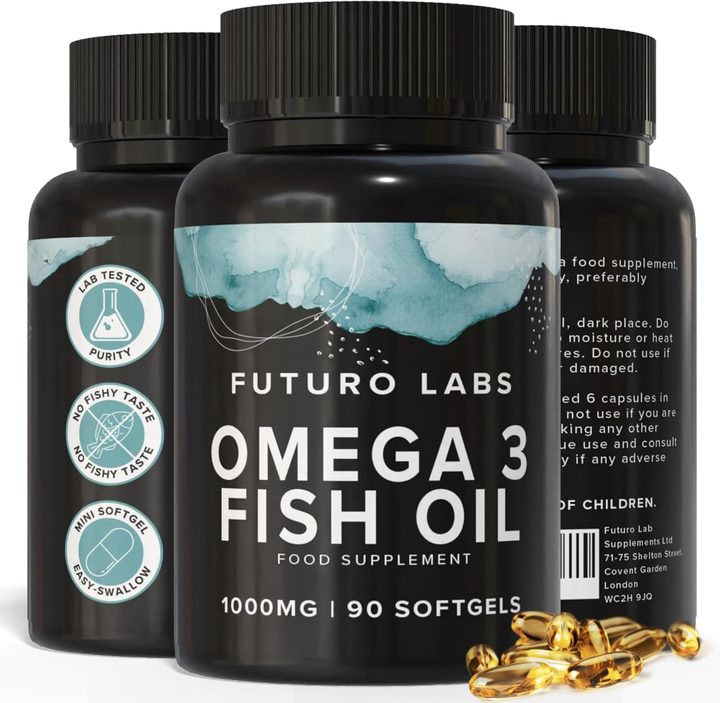
Our brand: the worked example on this page
Futuro Labs Omega 3 Fish Oil
- 17p a day
- 90 softgels, 1 softgel daily
- Lab tested
- Made in the UK
The product left standing after the autopsy: Futuro Labs Omega 3 Fish Oil on Amazon UK, 300mg EPA+DHA per softgel, £14.99 for 90 days. Label breakdown. The parent pages: the ratio verdict and the inflammation evidence.
The stack, dismantled premise by premise
Compound questions inherit the debts of their parts, and this one carries two. Premise one, that a best EPA-to-DHA ratio exists to be found: this section's recommendation audit walked every UK and EU authority and found no ratio recommended anywhere, the claims being written combined by design, the source fish disagreeing among themselves, and the body running its own retroconversion traffic regardless. Premise two, that omega-3 products reduce inflammation in a sense a shopper can buy: the claims register authorises no inflammation claim for EPA, DHA or any marine oil at any dose or proportion, every application having failed the evidence bar, which is why the phrase lives in blog posts and not on lawful labels. Stack a parameter nobody recommends onto a mandate nothing holds and the product of the question is exactly what the arithmetic suggests: a shopping instruction for a shelf that cannot exist, however confidently the wellness results state its answer as 2:1.
Where the idea came from, and where its honest remainder lives
The question is not stupid; it is mechanism research read as shopping advice. The resolution biology behind it is genuine: both EPA and DHA sit upstream of specialised pro-resolving mediators, the resolvins and related molecules studied in how inflammatory processes switch off, and because different mediator families derive from different parents, EPA-forward formulas acquired a theoretical story that marketing converted into ratio recommendations no assessor has endorsed, the same extrapolation pattern behind every EPA-forward premium this section audits. The honest remainder, meanwhile, lives where the inflammation evidence page already placed it: the clinical trials with weight are the inflammatory joint disease studies pooled in Goldberg and Katz's meta-analysis, gram-scale daily EPA and DHA over months in diagnosed patients under medical care, and, decisively for this page, dosed as combined totals whose ratios varied study to study without the analyses ranking them, meaning even the genuine version of the inflammation question never produced a ratio answer. The reader with an actual inflammatory condition takes the whole topic to a GP or rheumatologist; the healthy reader takes nothing from it but the decode.
| Component | Status | The verdict |
|---|---|---|
| A recommended EPA:DHA ratio | None exists, from any authority | Premise one fails: see the recommendation audit |
| An inflammation claim for omega-3 | None authorised, at any dose or ratio | Premise two fails: see the claims audit |
| Resolvin and mediator mechanism research | Real, early-stage biochemistry | The idea's honest parent: not shopping advice |
| The clinical inflammation evidence | Gram-scale rheumatology trials, combined dosing | Ratio-blind even at its genuine best |
| '2:1 for inflammation' content | Marketing extrapolation | The failed stack, stated confidently |
| The healthy shopper's takeaway | Buy the combined total for the claims that exist | 300mg, split irrelevant, 17p |
The verdict, and the unremarkable product it points at
What is the best ratio of EPA to DHA for reducing inflammation: the question dissolves twice before reaching a shelf, once on the ratio and once on the mandate, and what remains is the same pair of honest paths this section keeps drawing: for anyone with actual inflammatory symptoms or a diagnosis, a GP or rheumatology conversation where the gram-scale, ratio-blind research properly lives; and for the healthy reader who arrived via a wellness article, the standard purchase made with the marketing subtracted, Futuro Labs Omega 3 Fish Oil, one softgel with dinner, 180mg EPA and 120mg DHA at the shelf's natural split, 300mg combined for the heart-function claim that does exist, £14.99 for 90 days at 17p, lab-tested, UK made. The best ratio for reducing inflammation is the answer to neither half of its own question, which is the most useful thing a page carrying its title can say.
What to check on the label
- Premise one fails: no authority recommends any ratio: the audit came back empty.
- Premise two fails: no inflammation claim exists: at any dose or proportion.
- The mechanism research is real and early: resolvins are biochemistry, not shopping advice.
- Even the genuine clinical version dosed combined: gram-scale, ratio-blind, medical.
- Real symptoms route to a GP; healthy readers buy the combined total.
Our brand
The worked example: Futuro Labs Omega 3 Fish Oil
Futuro Labs Omega 3 Fish Oil: 1 softgel daily with food, 1000mg fish oil providing 180mg EPA and 120mg DHA (300mg combined), 90 softgels for £14.99, 17p a day, lab-tested purity, UK GMP made. Gelatin shell, so not vegetarian.
- Fish oil per softgel
- 1000mg
- EPA / DHA per softgel
- 180mg / 120mg (300mg combined)
- Serving
- 1 softgel a day
- Bottle
- 90 softgels, 90 days
- Price
- £14.99 (17p a day)
- Softgel
- mini softgel, no fishy taste
Questions people also ask
Is a 2:1 EPA to DHA ratio best for inflammation?
No authority recommends any ratio and no inflammation claim exists at any ratio: the 2:1 answer circulating online is marketing built on early mechanism research.
What are resolvins and do they justify high-EPA products?
EPA- and DHA-derived mediators studied in how inflammation resolves: genuine early biochemistry that no claims assessor has converted into product advice.
What ratio did the arthritis fish oil trials use?
They dosed combined EPA and DHA at gram scale with ratios varying study to study, and the pooled analyses never ranked the splits: even the real evidence is ratio-blind.
So what should I buy for my joint inflammation?
Nothing yet: diagnosed or suspected inflammatory conditions route to a GP or rheumatologist, where the gram-scale research belongs alongside actual treatment.
What should a healthy person take from this question?
The decode: buy the combined 250mg-plus total for the claims that exist, at whatever honest split the product carries, and spend nothing on the ratio story.
Sources
- Futuro Labs Omega 3 Fish Oil listing: 1000mg fish oil per softgel providing 180mg EPA and 120mg DHA, 90 softgels. Amazon UK, accessed 31 August 2026. https://www.amazon.co.uk/dp/B0CP9T3BTN
- Goldberg RJ, Katz J. A meta-analysis of the analgesic effects of omega-3 polyunsaturated fatty acid supplementation for inflammatory joint pain. Pain 2007;129(1-2):210-223. PubMed record
- EFSA Panel on Dietetic Products. Scientific opinion on the substantiation of health claims related to EPA and DHA and normal function of the heart (250mg daily condition of use). EFSA Journal 2010;8(10):1796. https://www.efsa.europa.eu/en/efsajournal/pub/1796
- EFSA Panel on Dietetic Products. Scientific opinion on health claims related to DHA: maintenance of normal brain function and normal vision (250mg DHA daily condition of use). EFSA Journal 2010;8(10):1734. https://www.efsa.europa.eu/en/efsajournal/pub/1734
- Commission Regulation (EU) No 536/2013 authorising health claims for DHA and EPA: maintenance of normal blood triglyceride concentrations (2g DHA+EPA/day) and normal blood pressure (3g DHA+EPA/day), with a supplemental limit note of 5g/day. https://eur-lex.europa.eu/legal-content/EN/TXT/?uri=CELEX%3A32013R0536
- EFSA Panel on Dietetic Products, Nutrition and Allergies. Scientific Opinion on the substantiation of health claims related to magnesium. EFSA Journal 2010;8(10):1807. https://efsa.onlinelibrary.wiley.com/doi/10.2903/j.efsa.2010.1807