Ghost Fitness/Magnesium/How does magnesium lower cortisol?
How does magnesium lower cortisol?
The short answer
The proposed mechanism, level by level: in the brain, magnesium damps NMDA receptor signalling and the release of the hormone that starts the cascade; at the pituitary, less signal means less ACTH; at the adrenal, less ACTH means less cortisol; and magnesium may strengthen the feedback. All from animal and cell models; in humans, no claim.
- The hypothalamusmagnesium damps NMDA glutamate signalling and CRH release: cell and animal models
- The pituitary and adrenalless CRH, less ACTH, less cortisol: the cascade in models
- The feedbackmagnesium may support the glucocorticoid feedback that switches the axis off: models
- Humansan association between low magnesium and higher cortisol; small inconsistent trials; no claim
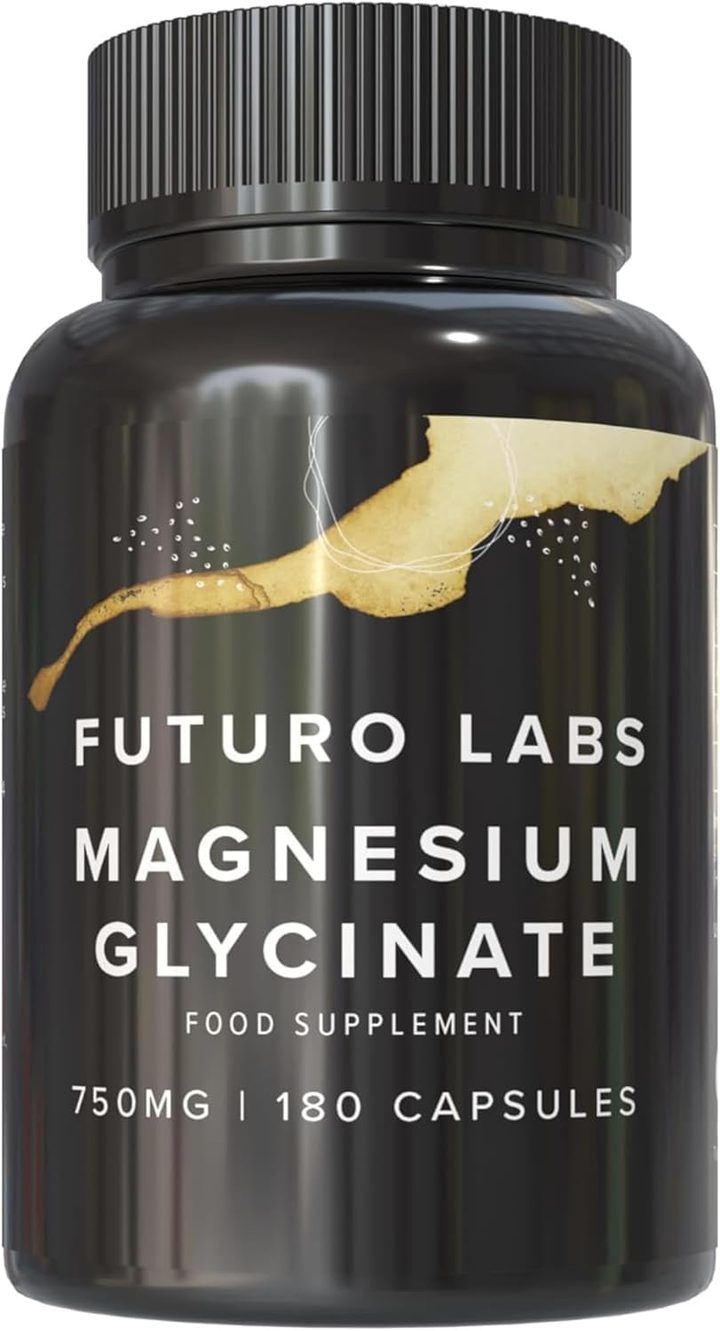
Our brand: the worked example on this page
Futuro Labs Magnesium Glycinate
- 22p a day
- 180 capsules, 2 capsules daily
- Lab tested
- Made in the UK
Magnesium for its own sentences, with no hormone word: Futuro Labs Magnesium Glycinate on Amazon UK, bisglycinate, 300mg elemental at 80% NRV, £19.99 for 90 days at 22p. Full label breakdown. The reduce-cortisol evidence is on the reduce-cortisol page; the physiology on the cortisol page.
The proposed mechanism, level by level down the stress axis, every level labelled as what it is
How does magnesium lower cortisol is a question whose honest answer begins with a conditional, how it would if it does, because the mechanism exists in models and the effect has not been confirmed in people, the careful-claims flag on this page holding the register's line that magnesium has no cortisol claim throughout. The stress axis runs in three levels and a feedback loop, and the proposed mechanism touches each. The hypothalamus: stress signals arrive as excitatory glutamate signalling through NMDA receptors, which magnesium physically blocks at rest, sitting in the receptor's channel until a strong signal displaces it, so that low magnesium leaves the NMDA receptors more easily activated and high magnesium damps them, and in animal and cell models that damping reduces the release of corticotropin-releasing hormone, CRH, the hormone that starts the cascade, magnesium-deficient animals showing an exaggerated CRH and stress response. The pituitary: CRH drives the pituitary to release ACTH, adrenocorticotropic hormone, so less CRH in the models means less ACTH. The adrenal: ACTH drives the adrenal cortex to synthesise and release cortisol, so less ACTH means less cortisol, the cascade running downstream from the receptor magnesium blocks. The feedback: cortisol switches its own axis off by acting on glucocorticoid receptors in the brain, and some models suggest magnesium supports that feedback, so that a replete animal shuts a stress response down faster than a deficient one. That is the proposed mechanism, coherent, biologically plausible, and demonstrated, where it is demonstrated, in animals and cells, often in states of induced deficiency, which is the first reason it is a hypothesis rather than a finding in a human taking a capsule.
The human evidence that has not confirmed it, and the honest answer to whether magnesium actually lowers cortisol
The human evidence, where the mechanism would have to be confirmed, is the cortisol pages' standing file: observational studies associate low magnesium status with higher cortisol and a stronger stress response, consistent with the models and also with everything else that travels with low magnesium, poor diet, alcohol, illness and stress itself, since stress increases urinary magnesium loss, a circle in which cause and effect run both ways; a few small 1990s trials in athletes reported blunted stress-hormone rises after exhausting exercise with magnesium in marginal-status men, unreplicated; a few small studies in stressed adults report mixed cortisol changes; and the systematic review of magnesium and subjective stress and anxiety grades the whole literature suggestive and low quality, with the trial that would settle it, stratified by status with a salivary cortisol rhythm over eight or more weeks, not yet run. Does magnesium actually lower cortisol, the variant asks, and the honest answer is that in a person with a genuine magnesium shortfall it plausibly restores a stress response that the shortfall had exaggerated, on the mechanism above and on thin evidence, and in a replete person there is no mechanism left to act, the NMDA receptors already having their magnesium, which is the deficiency pattern again and the reason no claim exists. The register's sentences for magnesium are normal psychological function, normal nervous system function and the reduction of tiredness and fatigue, maintenance claims that the mechanism above fits comfortably and that say nothing about a hormone, and a stressed lifter's real levers remain sleep, load management, the caffeine curfew and a GP where stress persists. The mechanism filed: level by level, magnesium damping NMDA signalling and CRH in the hypothalamus, less ACTH at the pituitary, less cortisol at the adrenal and a stronger feedback, all in models, with humans supplying an association and small inconsistent trials and the register supplying no claim, the worked example being magnesium taken for its own sentences with no hormone word, £19.99 for 90 days at 22p.
| The level | The proposed magnesium effect | The evidence |
|---|---|---|
| Hypothalamus | Damps NMDA glutamate signalling; less CRH released | Animal and cell models, often in induced deficiency |
| Pituitary | Less CRH, less ACTH | The cascade in models |
| Adrenal | Less ACTH, less cortisol | The cascade in models |
| Feedback | Stronger glucocorticoid feedback; faster shut-off | Suggested in models |
| Humans, observational | Low magnesium with higher cortisol | An association; cause runs both ways |
| Humans, trials | Small, old, inconsistent; suggestive review | No claim; the settling trial unrun |
The verdict, a mechanism in models and no effect confirmed in people
How does magnesium lower cortisol: by a proposed mechanism that runs down the stress axis in models, magnesium blocking NMDA receptors and damping the release of CRH in the hypothalamus, less CRH meaning less ACTH at the pituitary and less cortisol at the adrenal, with a possibly stronger feedback shutting the axis off, all demonstrated in animals and cells, often in induced deficiency, and in humans supplying only an association, small inconsistent trials and a suggestive review, so that magnesium plausibly restores a shortfall's exaggerated stress response and does nothing in a replete person, with no claim existing. Taken for its own sentences: Futuro Labs Magnesium Glycinate, bisglycinate, 300mg elemental at 80% NRV, £19.99 for 90 days at 22p a day, no hormone word on the label.
What to check on the label
- Say how it would: NMDA, CRH, ACTH, cortisol, feedback.
- Label every level as models: animals and cells, often deficient.
- Read the human evidence at its size: an association, small trials, a suggestive review.
- Apply the deficiency pattern: restoration in the short, nothing in the replete.
- Hold the register: no cortisol claim.
Our brand
The worked example: Futuro Labs Magnesium Glycinate
Futuro Labs Magnesium Glycinate is the worked example for magnesium reviews because its label states every number a review needs: 1500mg magnesium bisglycinate at 20%, 300mg elemental, 80% NRV, 2 capsules a day, 180 capsules for £19.99, 22p a day, UK made, vegan HPMC shell, batch tested for lead, mercury, arsenic and cadmium, and only the register's own magnesium claims printed.
- Elemental magnesium per serving
- 300mg (80% NRV)
- Form
- magnesium bisglycinate 20%
- Serving
- 2 capsules a day
- Bottle
- 180 capsules, 90 days
- Price
- £19.99 (22p a day)
- Capsule
- vegetarian shell, vegan product
Questions people also ask
Does magnesium actually lower cortisol?
Not on evidence that reaches a claim: the mechanism exists in animal and cell models, human studies show an association and small inconsistent trials, and the honest reading is that a genuine shortfall's exaggerated stress response is plausibly restored by repletion while a replete person has no mechanism left to act.
What is the mechanism by which magnesium affects cortisol?
In models, magnesium blocks NMDA receptors and damps the excitatory signalling that releases CRH in the hypothalamus, so less ACTH is released from the pituitary and less cortisol from the adrenal, with some models suggesting a stronger feedback that shuts the axis off faster.
Why does low magnesium associate with high cortisol in people?
Partly the mechanism, low magnesium leaving NMDA receptors easier to activate, and partly the company low magnesium keeps, poor diet, alcohol, illness and stress itself, which raises urinary magnesium loss, so cause runs both ways in the observational studies.
Has a human trial proved magnesium lowers cortisol?
No: the trials that measured cortisol are small, old and inconsistent, mostly 1990s athlete studies, the systematic review grades the stress literature suggestive and low quality, and the trial that would settle it has not been run.
What can a magnesium label say about stress?
Only the register's sentences: normal psychological function, normal nervous system function and the reduction of tiredness and fatigue, maintenance claims that fit the mechanism and say nothing about cortisol or stress hormones.
Sources
- The magnesium and stress-axis literature: magnesium modulates the hypothalamic-pituitary-adrenal axis and NMDA receptor signalling in animal and cell models, and low magnesium status associates with higher stress hormone levels in observational human studies, a mechanism without a treatment trial. PubMed record
- Pickering G, et al. Magnesium status and stress: the vicious circle concept revisited. Nutrients 2020;12(12):3672. PubMed record
- Boyle NB, Lawton C, Dye L. The effects of magnesium supplementation on subjective anxiety and stress, a systematic review. Nutrients 2017;9(5):429. PubMed record
- The magnesium and exercise stress-hormone literature: small 1990s trials in endurance athletes reported blunted rises in stress hormones after exhausting exercise with magnesium supplementation in athletes of marginal status, findings that were small, old and not replicated in modern designs. PubMed record