Ghost Fitness/Magnesium/Does magnesium citrate lower cortisol?
Does magnesium citrate lower cortisol?
The short answer
No more than any salt, because the cortisol question is magnesium's and magnesium has no cortisol claim: the small old trials used aspartate and other preparations, none citrate, and none established an effect. If a shortfall was heightening the stress response, any absorbed salt repletes it, and citrate adds only a laxative effect.
- The claimnone for magnesium in any salt
- The trials' saltsaspartate and other preparations in the old athlete studies; mixed in the stress trials; citrate in none
- The salt's relevancenone to a non-effect; relevant only to absorption and tolerance
- Citrate's additiona moderate laxative effect: a poor evening salt for a stressed reader
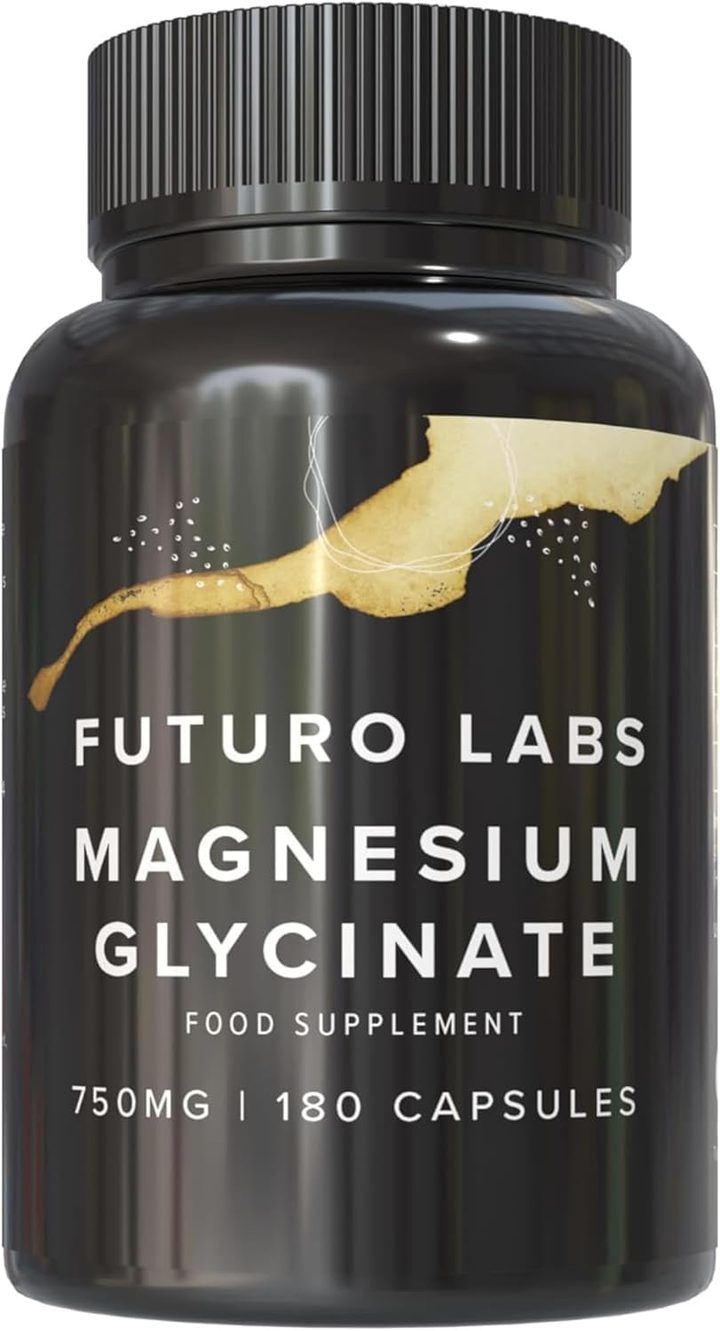
Our brand: the worked example on this page
Futuro Labs Magnesium Glycinate
- 22p a day
- 180 capsules, 2 capsules daily
- Lab tested
- Made in the UK
The salt that adds nothing but tolerance: Futuro Labs Magnesium Glycinate on Amazon UK, bisglycinate, 300mg elemental at 80% NRV, no hormone word, £19.99 for 90 days at 22p. Full label breakdown. The mechanism page is here; the citrate sleep page on the citrate sleep page.
The salt of a non-effect, because the cortisol question belongs to the mineral and the mineral has no claim
Does magnesium citrate lower cortisol is a question about a salt attached to a question about a mineral, and the careful-claims flag on this page answers the mineral's question first because the salt's depends on it: magnesium has no cortisol claim, no stress-hormone claim and no stress claim in any form, its lawful sentences being normal psychological function, normal nervous system function and the reduction of tiredness and fatigue, and the evidence behind the cortisol hope is a mechanism in animal and cell models, an observational association between low magnesium and higher cortisol in stressed people, a few small old trials, mostly in 1990s athletes, that reported blunted stress-hormone rises in marginal-status men and were never replicated, and a systematic review grading the stress literature suggestive and low quality, the reduce-cortisol and how-it-would-work pages' shared file. A salt cannot lower cortisol if the mineral it delivers has not been shown to, so magnesium citrate lowers cortisol no more than bisglycinate, oxide or any other form does, which is not on any evidence that reaches a claim, and the citrate question is the salt of a non-effect. Which salts the small trials used, since the question implies citrate might be special: the old athlete studies used magnesium aspartate and other preparations, the stress trials used mixed salts and doses, and no trial has studied magnesium citrate for cortisol or stress specifically, so citrate has neither the mineral's thin file nor a file of its own.
Where the salt does matter, what citrate adds that a stressed reader does not want, and the question filed
Where the salt does matter is the two places it always matters, absorption and tolerance, and neither touches cortisol. Absorption: citrate is well absorbed in the comparative trials, roughly level with bisglycinate and better than oxide, so if a genuine magnesium shortfall was heightening a reader's stress response through the mechanism the models describe, citrate repletes that shortfall over four to eight weeks as well as bisglycinate does, and the restoration of normal nervous-system and psychological function that repletion brings, the register's sentences and the honest best case, arrives by either salt in the reader who was short and by neither in the reader who was replete. Tolerance: citrate carries a moderate osmotic laxative effect that bisglycinate does not, arriving within hours of a dose exceeding absorption, and a stressed reader taking magnesium at the evening meal for the anchor's sake gets, with citrate, a small-hours bathroom trip that does nothing for a night and nothing for a stress response, the citrate-and-sleep page's finding, so citrate adds to the cortisol question only the thing nobody asking it wants. The question filed: magnesium citrate does not lower cortisol on any evidence that reaches a claim, because magnesium does not, the trials that exist used other salts and established nothing, the salt being irrelevant to a non-effect and relevant only to absorption, where citrate is fine, and tolerance, where citrate is the wrong evening salt, and the honest best case being repletion of a shortfall by any absorbed salt, the worked example being the salt that adds nothing but tolerance, bisglycinate at 300mg elemental with the evening meal, £19.99 for 90 days at 22p, taken for its own sentences with a stressed lifter's real levers, sleep, the caffeine curfew, a deload and a GP where stress persists, doing the cortisol work.
| The item | The finding | The consequence |
|---|---|---|
| Magnesium and cortisol | No claim; models, an association, small old trials, a suggestive review | No salt can deliver a non-effect |
| The trials' salts | Aspartate and mixed preparations; citrate in none | Citrate has no file of its own |
| Citrate's absorption | Good; roughly level with bisglycinate | Repletes a shortfall as well as any salt |
| Citrate's tolerance | A moderate laxative effect within hours | The wrong evening salt for a stressed reader |
| The honest best case | Repletion of a shortfall restores normal function | By any absorbed salt; nothing for the replete |
| The real levers | Sleep, the caffeine curfew, a deload, a GP | Not a salt |
The verdict, the mineral has no claim and the salt has no file
Does magnesium citrate lower cortisol: no more than any salt, because the cortisol question belongs to magnesium and magnesium has no cortisol claim, the small old trials having used aspartate and mixed preparations and established nothing, and citrate having no file of its own, the salt being irrelevant to a non-effect and relevant only to absorption, where citrate is fine, and tolerance, where its laxative effect makes it the wrong evening salt, with the honest best case being repletion of a genuine shortfall by any absorbed salt and the real cortisol levers being sleep, the caffeine curfew, a deload and a GP. The salt that adds nothing but tolerance: Futuro Labs Magnesium Glycinate, bisglycinate, 300mg elemental at 80% NRV, £19.99 for 90 days at 22p a day, no hormone word on the label.
What to check on the label
- Answer the mineral first: no cortisol claim, thin evidence.
- Note the trials' salts: not citrate.
- Give the salt its two real jobs: absorption and tolerance.
- Keep citrate out of the evening: the laxative effect.
- Move cortisol with the real levers: sleep, caffeine, a deload, a GP.
Our brand
The worked example: Futuro Labs Magnesium Glycinate
Futuro Labs Magnesium Glycinate is the worked example for magnesium reviews because its label states every number a review needs: 1500mg magnesium bisglycinate at 20%, 300mg elemental, 80% NRV, 2 capsules a day, 180 capsules for £19.99, 22p a day, UK made, vegan HPMC shell, batch tested for lead, mercury, arsenic and cadmium, and only the register's own magnesium claims printed.
- Elemental magnesium per serving
- 300mg (80% NRV)
- Form
- magnesium bisglycinate 20%
- Serving
- 2 capsules a day
- Bottle
- 180 capsules, 90 days
- Price
- £19.99 (22p a day)
- Capsule
- vegetarian shell, vegan product
Questions people also ask
Is magnesium citrate good for stress and cortisol?
No more than any magnesium, which holds no cortisol or stress claim: the evidence is models, an association and small old trials in other salts, and citrate has no file of its own, adding only a laxative effect that makes it a poor evening salt.
Which magnesium is best for lowering cortisol?
None on evidence that reaches a claim; where a genuine shortfall was heightening the stress response, any well-absorbed salt repletes it over weeks, and bisglycinate does so without citrate's laxative effect at the evening anchor.
Did any cortisol study use magnesium citrate?
No: the small 1990s athlete studies used magnesium aspartate and other preparations and the stress trials used mixed salts and doses, with no trial of magnesium citrate for cortisol or stress specifically.
Does the form of magnesium affect its effect on hormones?
The form affects absorption and tolerance only: once absorbed, magnesium is the same ion whatever salt delivered it, so no salt can produce a hormonal effect the mineral has not been shown to have.
What should a stressed lifter do instead of taking magnesium citrate?
Pull the real levers: sleep protected in a cool dark room, an early caffeine curfew, a deload after stacked hard weeks and a GP where stress persists, with magnesium taken as bisglycinate by diet audit for its own sentences where a training diet runs light.
Sources
- The magnesium and exercise stress-hormone literature: small 1990s trials in endurance athletes reported blunted rises in stress hormones after exhausting exercise with magnesium supplementation in athletes of marginal status, findings that were small, old and not replicated in modern designs. PubMed record
- Boyle NB, Lawton C, Dye L. The effects of magnesium supplementation on subjective anxiety and stress, a systematic review. Nutrients 2017;9(5):429. PubMed record
- Walker AF, Marakis G, Christie S, Byng M. Mg citrate found more bioavailable than other Mg preparations in a randomised, double-blind study. Magnesium Research 2003;16(3):183-191. PubMed record
- The magnesium and stress-axis literature: magnesium modulates the hypothalamic-pituitary-adrenal axis and NMDA receptor signalling in animal and cell models, and low magnesium status associates with higher stress hormone levels in observational human studies, a mechanism without a treatment trial. PubMed record