Ghost Fitness/Magnesium/Does magnesium lower cortisol after training?
Does magnesium lower cortisol after training?
The short answer
Not in the way hoped: the cortisol rise after training is a normal, useful signal, not a problem to suppress, and no supplement claim covers it. Research on magnesium and cortisol involves chronic stress and low intake, not post-session blunting.
- Normalwhat post-training cortisol is: the adaptive signal, not damage
- 0authorised claims linking magnesium to cortisol at any dose
- Chronic, not acutethe context of the actual magnesium-cortisol research
- Sleep and calorieswhat genuinely moderates chronically high cortisol
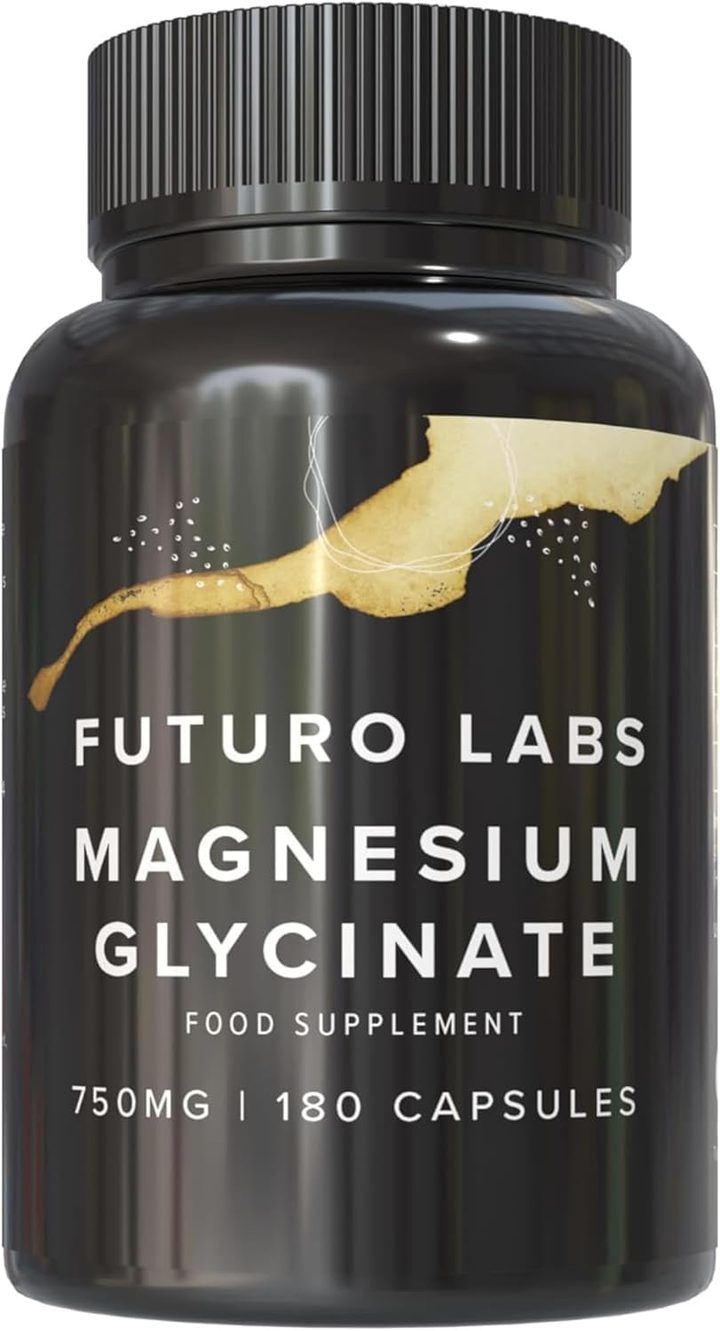
Our brand: the worked example on this page
Futuro Labs Magnesium Glycinate
- 22p a day
- 180 capsules, 2 capsules daily
- Lab tested
- Made in the UK
The intake-insurance serving, sold without a cortisol story: Futuro Labs Magnesium Glycinate on Amazon UK, 300mg elemental per 2 capsules, £19.99 for 180. Label breakdown. The general claim audit is on does magnesium regulate cortisol; the dose myth on how much magnesium to lower cortisol.
Why the post-training spike is the wrong enemy
The question usually arrives carrying an assumption worth dismantling before any supplement is discussed: that the cortisol rise after a hard session is damage to be minimised. It is closer to the opposite. Acute exercise cortisol is part of the stress signal that mobilises fuel during the session and participates in the cascade your adaptation is built from; it rises with intensity, peaks around and shortly after training, and falls back over the following hours in a healthy trainee, exactly as designed. Chasing supplements to blunt that curve is chasing a feature, and the fitness-content habit of treating every cortisol mention as catabolic emergency has sold a great deal of adrenal-support product against a process that needed no rescuing. The legitimate cortisol concern is different in kind: chronically elevated baselines from accumulated stress, under-sleeping and under-eating, a pattern with real costs and a different fix.
What the magnesium-cortisol research actually shows, and what moderates the real problem
Read honestly, the magnesium-and-cortisol literature is thin, mixed, and pointed away from the gym clock. Work like Golf's studies sits in contexts of sustained stress and exertion, observing attenuated stress-hormone responses in supplemented groups whose magnesium status was under pressure, findings consistent with the boring mechanism this site keeps returning to: a deficient system runs its stress axis worse, and correcting intake restores normal function, which is also all the authorised psychological-function and nervous-system claims describe. No trial establishes that magnesium blunts the post-session cortisol curve in well-nourished lifters, no dose exists for that job, and no claim covers it. Meanwhile the levers that genuinely moderate a chronically elevated baseline are unglamorous and powerful: sleeping enough, eating enough for the training load, programming deloads, and managing life stress, with persistent symptoms, exhaustion, poor recovery, low mood, being a GP conversation rather than a supplement search.
| Concern | Reality | What actually helps |
|---|---|---|
| Cortisol spikes during and after training | Normal, useful, self-resolving | Nothing needed: it is the signal |
| 'Blunt the spike for more gains' | No evidence this helps; plausibly counterproductive | Train, eat, sleep: let the signal work |
| Chronically elevated baseline | The real problem: stress, under-sleeping, under-eating | Sleep, calories, deloads, stress management, GP if persistent |
| Magnesium's role | Intake insurance: low status runs the stress axis worse | 300mg daily where diets run short; judged over weeks |
| Supplements marketed as 'cortisol blockers' | Claim-free territory | Skip: the mechanism is not for sale |
The verdict, and where the capsule honestly fits
Does magnesium lower cortisol after training: not as an acute blunter, which is a job that neither exists in the evidence nor deserves doing, and possibly as part of the mundane background story, where adequate intake keeps a stressed system running its hormonal responses normally over weeks, the only version any research or authorised claim supports. The capsule's honest place is therefore unchanged by the question: Futuro Labs Magnesium Glycinate, 2 capsules with the evening meal, 300mg elemental at 80% NRV from bisglycinate at 20%, daily including rest days, vegan, UK made under GMP and BRC, panels shown, £19.99 for 180 capsules, 22p a day, bought as intake insurance for a narrow diet and never as hormone management. Let the post-session spike do its work; spend the worry, if any, on the baseline, where sleep and food out-lower anything in a capsule.
What to check on the label
- The post-training rise is the adaptive signal: not damage, not an enemy.
- No claim, no trial, no dose exists for post-session cortisol blunting.
- The real research context is chronic stress and low intake: normal function restored.
- Chronically high baselines answer to sleep, calories and deloads, and to a GP if persistent.
- The capsule is intake insurance: 300mg daily, judged over weeks, no hormone story.
Our brand
The worked example: Futuro Labs Magnesium Glycinate
Futuro Labs Magnesium Glycinate is sold as intake insurance, not hormone management: 300mg elemental per 2 capsules (80% NRV) from bisglycinate 20%, daily with dinner, 22p from a £19.99 bottle of 180. Vegan, UK made, panels shown.
- Elemental magnesium per serving
- 300mg (80% NRV)
- Form
- magnesium bisglycinate 20%
- Serving
- 2 capsules a day
- Bottle
- 180 capsules, 90 days
- Price
- £19.99 (22p a day)
- Capsule
- vegetarian shell, vegan product
Questions people also ask
Should I take magnesium right after training to control cortisol?
No: the post-session rise is normal and useful, no supplement is shown to blunt it, and the daily dinner serving already covers everything magnesium honestly does.
Is high cortisol after lifting bad for muscle growth?
The acute spike is part of the adaptation signal, not its enemy. The pattern that costs muscle is a chronically elevated baseline from under-sleeping and under-eating.
What does the magnesium-cortisol research actually show?
Small studies in sustained-stress contexts where supplementation was associated with attenuated stress-hormone responses, consistent with corrected intake restoring normal function: not post-session blunting in well-fed lifters.
How do I know if my cortisol is chronically high?
Symptoms like persistent exhaustion, poor recovery and disturbed sleep are GP territory: testing and interpretation belong there, not with a supplement search.
What lowers stress hormones more than any supplement?
Sleep, sufficient calories for the training load, programmed deloads and managing life stress: the levers with real effect sizes.
Sources
- Futuro Labs Magnesium Glycinate listing, Amazon UK, label and price checked 31 August 2026. https://www.amazon.co.uk/dp/B0BT7Z5VQW
- Golf SW, Bender S, Grüttner J. On the significance of magnesium in extreme physical stress. Cardiovascular Drugs and Therapy 1998;12(Suppl 2):197-202. PubMed record
- Gröber U, Schmidt J, Kisters K. Magnesium in prevention and therapy. Nutrients 2015;7(9):8199-8226. PubMed record
- Mah J, Pitre T. Oral magnesium supplementation for insomnia in older adults: a systematic review and meta-analysis. BMC Complementary Medicine and Therapies 2021;21:125. PubMed record
- Expert Group on Vitamins and Minerals. Safe Upper Levels for Vitamins and Minerals. Food Standards Agency, 2003 (magnesium guidance level 400mg a day from supplements). https://cot.food.gov.uk/sites/default/files/vitmin2003.pdf
- EFSA Panel on Dietetic Products, Nutrition and Allergies. Scientific Opinion on the substantiation of health claims related to magnesium. EFSA Journal 2010;8(10):1807. https://efsa.onlinelibrary.wiley.com/doi/10.2903/j.efsa.2010.1807