Ghost Fitness/Magnesium/What does magnesium and cortisol do?
What does magnesium and cortisol do?
The short answer
Cortisol is the stress hormone with a daily rhythm; magnesium modulates the stress axis in animal and cell models, low magnesium associates with higher cortisol in stressed people, and stress raises magnesium loss. The trials are small and inconsistent, no cortisol claim exists, and no lawful magnesium-and-cortisol pill exists.
- Cortisolthe adrenal stress hormone, highest on waking, lowest at night, raised by stress and hard training
- Magnesium's rolemodulates the stress axis and NMDA signalling in animal and cell models
- The human evidenceobservational: low magnesium with higher cortisol in stressed people; a few small trials, inconsistent
- The registerno cortisol, stress-hormone or stress claim; psychological and nervous-system function only
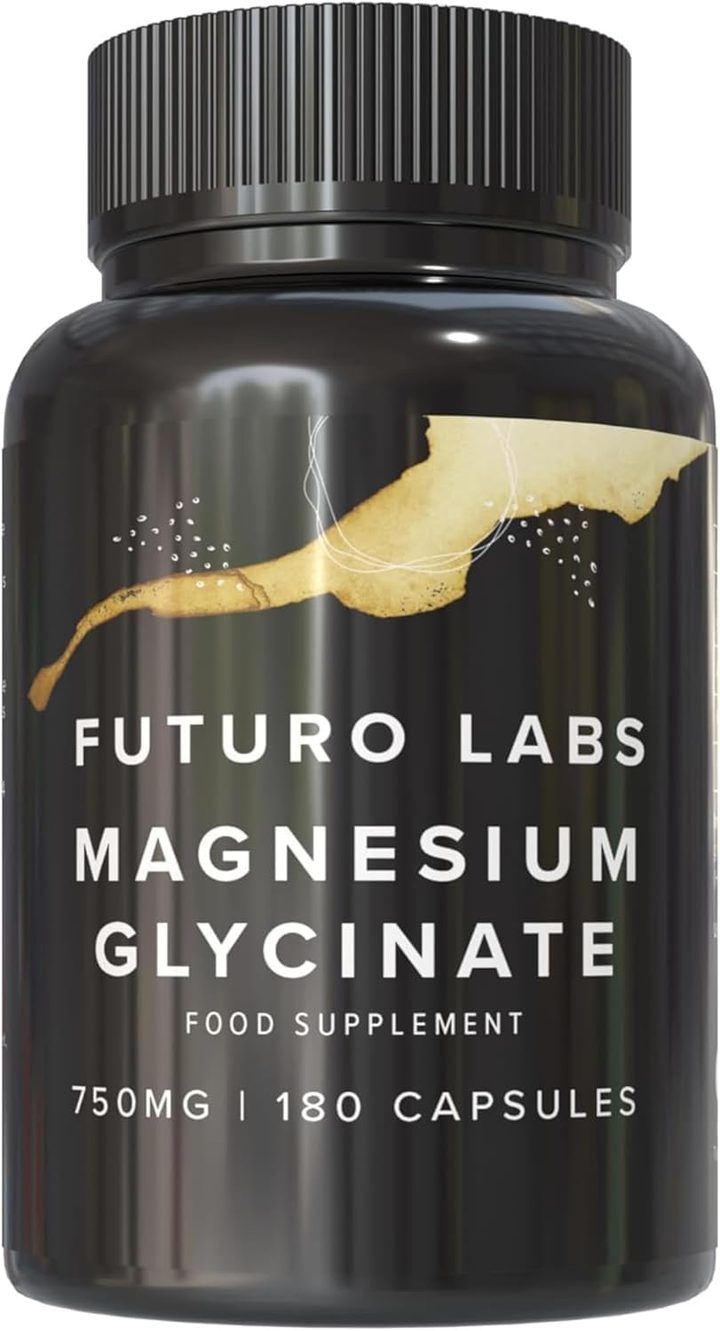
Our brand: the worked example on this page
Futuro Labs Magnesium Glycinate
- 22p a day
- 180 capsules, 2 capsules daily
- Lab tested
- Made in the UK
Magnesium for its own sentences, with no hormone word: Futuro Labs Magnesium Glycinate on Amazon UK, bisglycinate, 300mg elemental at 80% NRV, £19.99 for 90 days at 22p. Full label breakdown. The three readings of the cortisol question are on the cortisol-together page; the cortisol dose on the cortisol dose page.
The physiology first, because what magnesium and cortisol do is a question about a hormone and a mineral in the same system
What magnesium and cortisol do is a question about a hormone and a mineral that share a system, and the physiology is the honest place to start. Cortisol is the body's principal stress hormone, made by the adrenal glands under the control of the hypothalamic-pituitary-adrenal axis, with a daily rhythm that peaks shortly after waking and falls to its lowest at night, and with rises driven by psychological stress, illness, low blood sugar, poor sleep and hard training, a hard session raising cortisol for an hour or two as part of the normal response to load, which is neither a problem nor a thing a supplement should abolish. Magnesium's role in that system is documented in animal and cell models: magnesium modulates the stress axis, damps NMDA receptor signalling, the excitatory pathway through which stress signals propagate, and influences the release of stress hormones, so that low magnesium in those models produces a heightened stress response and higher cortisol, a mechanism the cortisol-regulation page describes. The human evidence is observational and circular: people with low magnesium status tend to show higher cortisol and a stronger stress response in cross-sectional studies, and psychological stress increases urinary magnesium loss, so that stress lowers magnesium and low magnesium heightens the response to stress, the vicious-circle hypothesis, plausible, mechanistically supported, and not the same as a treatment, because a mechanism in a cell and an association in a survey do not show that a capsule lowers a person's cortisol.
The trials at their true size, the pills that do not exist, the register line, and the page filed
The trials are where the hope would be confirmed and are not: a handful of small studies have given magnesium to stressed or low-status adults and measured cortisol or stress markers, some reporting reductions and others none, with mixed doses, short durations and inconsistent designs, and the systematic review of magnesium and subjective stress and anxiety grading the whole literature as suggestive and low quality, calling for better trials, so magnesium as a cortisol-lowerer is a hypothesis with a few small and inconsistent trials behind it and no claim, the careful-claims flag on this page holding exactly that. The variants asking about magnesium and cortisol pills or supplements meet a fact: no lawful magnesium-and-cortisol product exists, cortisol being a hormone that is a prescription medicine when given and not an ingredient any supplement may contain, so a product sold under that name is either magnesium with a botanical dressed in the word, ashwagandha usually, or a product to walk away from, the cortisol-together page's second reading. The register line: magnesium holds no claim for cortisol, stress hormones, stress, calm or mood, its lawful sentences being normal psychological function, normal nervous system function and the reduction of tiredness and fatigue, maintenance claims for a person whose intake ran short, which is the honest sense in which magnesium does anything for the system cortisol lives in, restoring the function a shortfall disturbed and nothing more. The page filed: cortisol is the stress hormone with a rhythm and a job, magnesium modulates its axis in models and associates with it in surveys, the trials are small and inconsistent, no pill combines them lawfully, no claim exists, and the worked example is magnesium taken for its own sentences at 300mg elemental, £19.99 for 90 days at 22p, with a stressed lifter's real levers, sleep, load management, the caffeine curfew and a GP where stress persists, sitting outside the shelf.
| The item | The finding | The grade |
|---|---|---|
| Cortisol | The adrenal stress hormone with a daily rhythm; raised by stress and training | Normal physiology, not a target |
| Magnesium in the axis | Modulates the stress response and NMDA signalling | Animal and cell models |
| The human link | Low magnesium with higher cortisol; stress raises magnesium loss | Observational; a vicious-circle hypothesis |
| The trials | A few small studies, some reductions, some none | Suggestive, low quality |
| Magnesium and cortisol pills | Do not lawfully exist; cortisol is a prescription hormone | Usually a botanical in the word |
| The register | No cortisol or stress claim; psychological and nervous-system function | Maintenance where short |
The verdict, a mechanism, an association, and no claim
What do magnesium and cortisol do: cortisol is the adrenal stress hormone with a daily rhythm and a normal rise under stress and hard training, magnesium modulates the stress axis and NMDA signalling in animal and cell models, low magnesium associates with higher cortisol in stressed people while stress raises magnesium loss, the trials giving magnesium to lower cortisol are small and inconsistent, no lawful magnesium-and-cortisol pill exists, and no claim does, magnesium's lawful sentences being psychological and nervous-system function where a shortfall disturbed them. Taken for those sentences: Futuro Labs Magnesium Glycinate, bisglycinate, 300mg elemental at 80% NRV, £19.99 for 90 days at 22p a day.
What to check on the label
- Understand cortisol first: a rhythm and a job, raised normally by training.
- Place magnesium in the axis: models and associations, not treatment.
- Grade the trials: small, inconsistent, suggestive.
- Refuse the pills: cortisol is a prescription hormone, not an ingredient.
- Hold the register: psychological function, no hormone word.
Our brand
The worked example: Futuro Labs Magnesium Glycinate
Futuro Labs Magnesium Glycinate is the worked example for magnesium reviews because its label states every number a review needs: 1500mg magnesium bisglycinate at 20%, 300mg elemental, 80% NRV, 2 capsules a day, 180 capsules for £19.99, 22p a day, UK made, vegan HPMC shell, batch tested for lead, mercury, arsenic and cadmium, and only the register's own magnesium claims printed.
- Elemental magnesium per serving
- 300mg (80% NRV)
- Form
- magnesium bisglycinate 20%
- Serving
- 2 capsules a day
- Bottle
- 180 capsules, 90 days
- Price
- £19.99 (22p a day)
- Capsule
- vegetarian shell, vegan product
Questions people also ask
Does magnesium lower cortisol?
No claim exists: magnesium modulates the stress axis in animal and cell models and low magnesium associates with higher cortisol in stressed people, but the trials giving magnesium to lower cortisol are small and inconsistent, graded suggestive and low quality.
How are magnesium and cortisol connected?
Through the stress axis: magnesium damps the excitatory signalling through which stress propagates in models, psychological stress raises urinary magnesium loss, and low magnesium heightens the stress response, a vicious-circle hypothesis with observational support.
Is there a magnesium and cortisol supplement?
Not lawfully: cortisol is a hormone that is a prescription medicine when given and not an ingredient a supplement may contain, so products sold under that name are usually magnesium with a botanical such as ashwagandha dressed in the word.
Is cortisol bad for lifters?
No: cortisol is normal physiology with a daily rhythm, rising for an hour or two after hard training as part of the response to load, and a supplement that abolished it would be doing harm; the concern is chronic elevation from poor sleep, stacked hard weeks and life stress.
What can magnesium lawfully claim about stress?
Nothing about stress, cortisol, calm or mood: its authorised sentences are normal psychological function, normal nervous system function and the reduction of tiredness and fatigue, maintenance claims where intake runs short.
Sources
- The magnesium and stress-axis literature: magnesium modulates the hypothalamic-pituitary-adrenal axis and NMDA receptor signalling in animal and cell models, and low magnesium status associates with higher stress hormone levels in observational human studies, a mechanism without a treatment trial. PubMed record
- Pickering G, et al. Magnesium status and stress: the vicious circle concept revisited. Nutrients 2020;12(12):3672. PubMed record
- Boyle NB, Lawton C, Dye L. The effects of magnesium supplementation on subjective anxiety and stress, a systematic review. Nutrients 2017;9(5):429. PubMed record
- The corticosteroid and magnesium literature: corticosteroid medicines increase urinary magnesium excretion and can lower magnesium status with sustained use, a matter for the prescribing clinician rather than a supplement interaction. PubMed record