Ghost Fitness/Magnesium/Does hard training increase your magnesium requirement?
Does hard training increase your magnesium requirement?
The short answer
Yes, a little, and the balance sheet explains why the shortfall is bigger than the requirement: hard training raises losses, tens of milligrams a session in sweat and a share more in urine, so the requirement rises ten to twenty percent; and hard training tends to lower intake, the cut and the rice-and-chicken plate dropping the foods that carry magnesium. Losses up and intake down is the double squeeze.
- Losses uptens of milligrams a session in sweat; a share more in urine under heavy load
- The requirementten to twenty percent above the reference: 330 to 360mg for a man, 300 to 325mg for a woman
- Intake downcuts, rice-and-chicken plates and a hard block's appetite drop the nuts, seeds, legumes and wholegrains
- The double squeezea small rise in need and a large fall in supply: the reason hard-training lifters run short
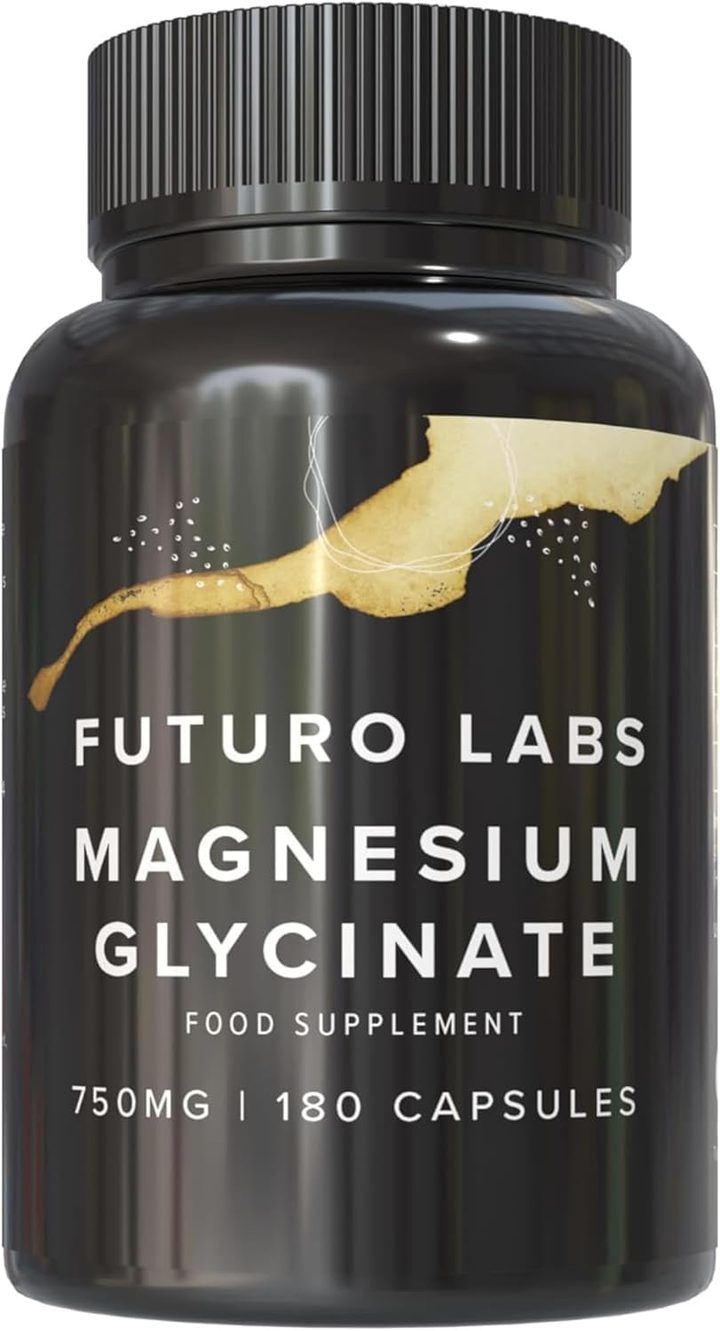
Our brand: the worked example on this page
Futuro Labs Magnesium Glycinate
- 22p a day
- 180 capsules, 2 capsules daily
- Lab tested
- Made in the UK
The supply side of the balance sheet, when the plate cannot fill it: Futuro Labs Magnesium Glycinate on Amazon UK, bisglycinate, 300mg elemental at 80% NRV, £19.99 for 90 days at 22p. Full label breakdown. The arithmetic of extra is on the athletes-need-extra page; the drains on the drains page.
The balance sheet, losses on one side and intake on the other, and what hard training does to the losses
Does hard training increase your magnesium requirement is best answered on a balance sheet, because magnesium status is a balance between losses and intake and hard training touches both sides. The losses side first. Sweat: magnesium leaves in sweat at low concentrations, so an hour's hard session loses tens of milligrams, more in heat and long efforts and around a hundred in an extreme day, the sweat page's arithmetic and a real but small drain. Urine: the kidney is the regulated exit and the exercise literature finds urinary magnesium rising under heavy training load, a share more lost through the main door, the drains page's note. Together those raise the requirement modestly, the reviews of magnesium and exercise putting athletes' needs ten to twenty percent above the general reference intakes, so a man's 300mg becomes roughly 330 to 360mg and a woman's 270mg roughly 300 to 325mg, the athletes-need-extra page's figure, a rise of a few tens of milligrams a day that a mixed plate covers without noticing, since a handful of pumpkin seeds carries 150mg and a bowl of oats with almonds another hundred. If the balance sheet stopped there, hard training would raise the requirement a little and change almost nobody's status, and the sweat alone would never be the reason a lifter runs short, which it is not.
The intake side, where hard training does the real damage, the double squeeze, and the sheet filed
The intake side is where hard training does the real damage, and it is the side the sweat story misses. Hard training comes with a diet, and the diets that accompany hard blocks push magnesium intake down in three ways. The cut: a deficit shrinks food volume and drops the volume foods that carry magnesium first, the nuts, seeds, wholegrains and legumes, replaced by lean protein and low-calorie vegetables, so a contest prep or a weight-class cut can halve magnesium intake while the training is at its hardest. The performance plate: a bulk or a maintenance diet built on white rice, chicken, eggs and whey is high in protein and calories and, apart from oats, low in magnesium, volume without the mineral. The hard-block appetite: a heavy training week blunts appetite in many lifters and shifts it toward easy calories, refined carbohydrate and shakes, the greens and legumes being the first things skipped when eating feels like a chore. Losses up a little and intake down a lot is the double squeeze, and it is why hard-training lifters run short: the requirement rose by a few tens of milligrams and the supply fell by a hundred or two, so the shortfall that opens is several times the size of the requirement's rise, which is the finding behind the marginal status reported in strength and weight-controlled sports and the reason the athletes flagship says the diet and not the sweat is the cause. The sheet filed: a modest rise in requirement, ten to twenty percent, from sweat and urine, and a large fall in intake from the diets hard training comes with, the double squeeze opening a shortfall that a mixed plate closes and a training plate does not, with the worked example being the supply side when the plate cannot fill it, bisglycinate at 300mg elemental, £19.99 for 90 days at 22p, taken through the hard block and dropped when the plate improves.
| The side | What hard training does | The size |
|---|---|---|
| Losses: sweat | Tens of milligrams a session; more in heat | Small |
| Losses: urine | A share more under heavy load | Small |
| The requirement | Rises ten to twenty percent | A few tens of milligrams a day |
| Intake: the cut | Drops nuts, seeds, wholegrains and legumes | Large |
| Intake: the performance plate and the hard-block appetite | Rice, chicken, whey; greens skipped | Large |
| The double squeeze | Need up a little, supply down a lot | The shortfall several times the rise |
The verdict, a requirement that rises a little and a supply that falls a lot
Does hard training increase your magnesium requirement: yes, a little, sweat losing tens of milligrams a session and urine a share more under heavy load so that reviews put athletes' needs ten to twenty percent above the reference, and the balance sheet shows why the shortfall is bigger than the requirement, hard training coming with cuts, performance plates and a hard-block appetite that drop the nuts, seeds, wholegrains and legumes carrying magnesium, losses up a little and intake down a lot being the double squeeze that a mixed plate closes and a training plate does not. The supply side when the plate cannot fill it: Futuro Labs Magnesium Glycinate, bisglycinate, 300mg elemental at 80% NRV, £19.99 for 90 days at 22p a day, through the hard block.
What to check on the label
- Count the losses honestly: tens of milligrams in sweat, a share more in urine.
- Raise the requirement a little: ten to twenty percent.
- Look at the intake side: where the damage is done.
- Name the double squeeze: need up, supply down.
- Fill the supply side through the block: food first, a capsule where the plate cannot.
Our brand
The worked example: Futuro Labs Magnesium Glycinate
Futuro Labs Magnesium Glycinate is the worked example for magnesium reviews because its label states every number a review needs: 1500mg magnesium bisglycinate at 20%, 300mg elemental, 80% NRV, 2 capsules a day, 180 capsules for £19.99, 22p a day, UK made, vegan HPMC shell, batch tested for lead, mercury, arsenic and cadmium, and only the register's own magnesium claims printed.
- Elemental magnesium per serving
- 300mg (80% NRV)
- Form
- magnesium bisglycinate 20%
- Serving
- 2 capsules a day
- Bottle
- 180 capsules, 90 days
- Price
- £19.99 (22p a day)
- Capsule
- vegetarian shell, vegan product
Questions people also ask
How much does exercise increase magnesium needs?
By ten to twenty percent on the reviews, a man's 300mg reference becoming roughly 330 to 360mg and a woman's 270mg roughly 300 to 325mg, to cover the tens of milligrams lost in sweat each session and the share more lost in urine under heavy load.
Why do hard-training lifters run short of magnesium if the losses are small?
Because of the intake side: the cuts, rice-and-chicken plates and blunted appetite that come with hard training drop the nuts, seeds, wholegrains and legumes that carry magnesium, so supply falls by far more than the requirement rises, the double squeeze.
Does sweating a lot mean I need a magnesium supplement?
Not on its own: sweat loses tens of milligrams a session, replaced by the next meal, and the question is whether the plate covers the modestly raised requirement, a mixed plate with seeds, nuts, greens and legumes doing so and a performance plate often not.
What is the best food to cover training's extra magnesium?
Pumpkin seeds, at around 150mg per 30g handful, cover the whole extra with a hundred milligrams to spare, with almonds, oats, spinach, black beans and dark chocolate filling the rest of a mixed plate.
When should a hard-training lifter take a magnesium supplement?
When the plate audit runs light, through a cut, a rice-and-chicken block or a hard-appetite week, at 300mg elemental as bisglycinate with the evening meal, and dropped when the plate improves and the double squeeze eases.
Sources
- The magnesium and athlete requirements literature: exercise increases magnesium losses in sweat and urine, marginal status is reported in strength and weight-controlled sports, and reviews suggest athletes' needs may run ten to twenty percent above the general reference intakes, met first from food. PubMed record
- Nielsen FH, Lukaski HC. Update on the relationship between magnesium and exercise. Magnesium Research 2006;19(3):180-189. PubMed record
- Lukaski HC. Magnesium, zinc, and chromium nutriture and physical activity. American Journal of Clinical Nutrition 2000;72(2 Suppl):585S-593S. PubMed record
- Department of Health. Dietary Reference Values for Food Energy and Nutrients for the United Kingdom. Report on Health and Social Subjects 41, 1991 (magnesium RNI 300mg men, 270mg women).