Ghost Fitness/Magnesium/Do athletes need extra magnesium?
Do athletes need extra magnesium?
The short answer
A little, and it is arithmetic: sweat loses tens of milligrams a session, more in heat, urine loses a share more with training, and reviews put athletes' needs ten to twenty percent above the general reference intake, so a man's 300mg becomes 330 to 360mg. The extra comes from food first, a handful of pumpkin seeds carrying around 150mg, and from a capsule only where the plate runs light.
- Sweattens of milligrams a session; more in heat and long efforts
- Urinea share more with heavy training; the regulated exit
- The extraten to twenty percent above the reference: 330 to 360mg for a man, 300 to 325mg for a woman
- Where it comes frompumpkin seeds ~150mg per 30g; almonds ~80mg; spinach ~80mg per 100g; a capsule where the plate runs light
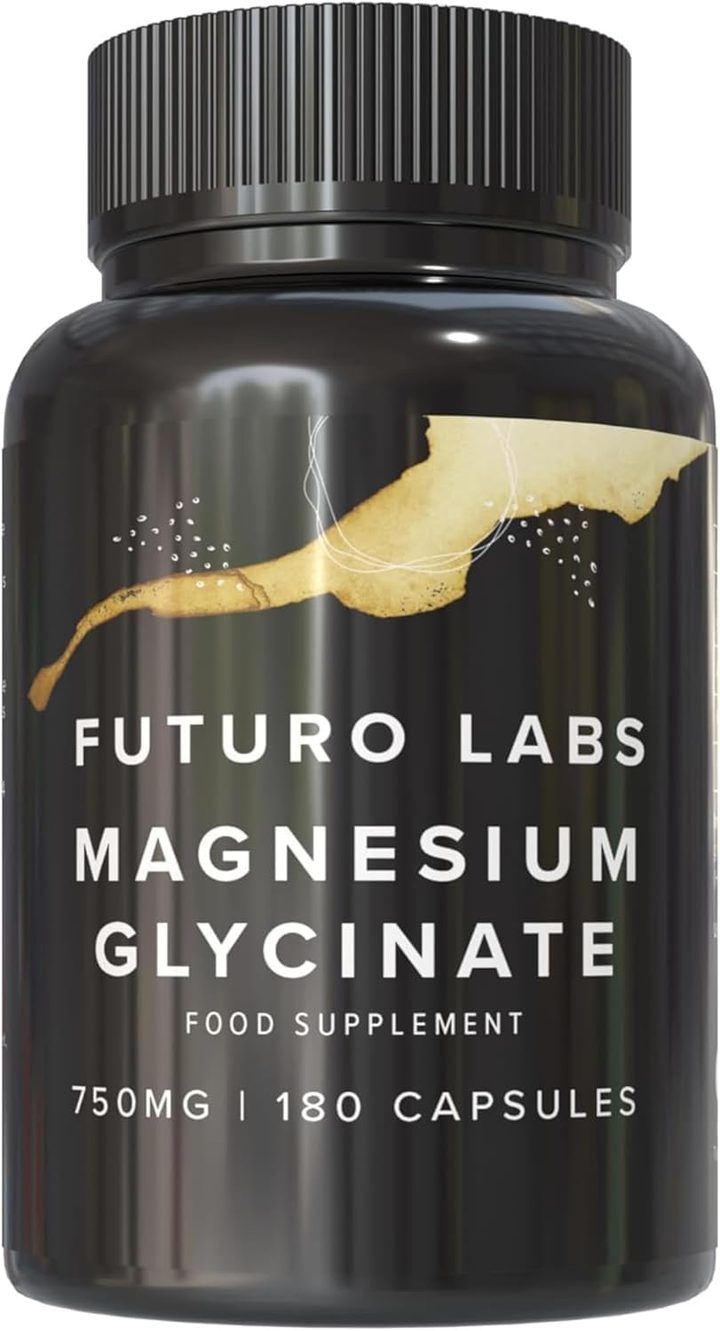
Our brand: the worked example on this page
Futuro Labs Magnesium Glycinate
- 22p a day
- 180 capsules, 2 capsules daily
- Lab tested
- Made in the UK
The extra, when the plate does not supply it: Futuro Labs Magnesium Glycinate on Amazon UK, bisglycinate, 300mg elemental at 80% NRV, £19.99 for 90 days at 22p. Full label breakdown. The athletes flagship is here; what depletes it on the depletes page.
The arithmetic of extra, sweat, urine and the percentage reviews arrive at
Do athletes need extra magnesium is a question with an arithmetic answer, and running the numbers is more useful than the yes the supplement shelf gives. The losses: sweat carries magnesium at low concentrations, and an hour's hard session loses tens of milligrams, more in a hot gym or a long run and a hundred or so in an extreme day, replaced by the next meal and never the reason an athlete is deficient alone; urine loses a share more under heavy training, the kidney being the regulated exit and the exercise literature finding urinary magnesium rising with training load, the drains page's main door opened a little wider. The needs: reviews of magnesium and exercise put athletes' requirements ten to twenty percent above the general reference intakes to cover those losses, so a man's reference of 300mg a day becomes roughly 330 to 360mg and a woman's 270mg becomes roughly 300 to 325mg, a modest extra rather than a doubling, and an extra that a mixed diet meets without a capsule. The status: marginal magnesium status is reported in strength and weight-controlled sports, not because the losses are large but because the diets are light, the protein-and-refined-carbohydrate plate of a lifter carrying little magnesium and a cut dropping the foods that carry it, the athletes flagship's finding that the diet and not the sweat is why an athlete runs short. Extra, then, is a few tens of milligrams a day over the reference, and where it comes from is the next question.
Where the extra comes from, food first with its arithmetic, a capsule second by audit, and the question filed
The extra comes from food first, and the food arithmetic is the part most athletes have never seen. Pumpkin seeds carry around 150mg of magnesium per 30 gram handful, almonds around 80mg per 30g, cashews and peanuts a little less, cooked spinach around 80mg per 100g, black beans and chickpeas around 60mg per half cup, dark chocolate around 65mg per 30g, oats around 60mg per 50g dry, wholegrain bread around 25mg a slice and a banana around 30mg, so that a handful of pumpkin seeds on the morning oats covers the whole extra an athlete needs with a hundred milligrams to spare, an athlete eating a mixed plate with greens, nuts, seeds, legumes and wholegrains reaches 360mg without thinking, and an athlete on rice, chicken, whey and low-calorie vegetables reaches perhaps 150 to 200mg and is the reader the extra was never going to come from food for. The capsule is second, by audit: an athlete whose plate audit runs light closes the gap at 300mg elemental as bisglycinate with the evening meal, which supplies the reference intake and the extra together from the supplement alone, under the 400mg guidance level, and an athlete whose plate covers it takes nothing and gains nothing, with the deficiency pattern deciding, repletion improving performance markers where status was marginal and nothing where it was adequate. The competitive athlete in a tested sport takes the capsule only as a certified product matched by batch, this site's example being uncertified. The question filed: athletes need a little extra magnesium, ten to twenty percent above the reference on the arithmetic of sweat and urine, met first by a handful of seeds and a mixed plate and second by a capsule where the plate runs light, the worked example being the extra when the plate does not supply it, bisglycinate at 300mg elemental, £19.99 for 90 days at 22p.
| The item | The figure | The note |
|---|---|---|
| Sweat losses | Tens of milligrams a session; more in heat | Replaced by the next meal |
| Urinary losses | A share more with heavy training | The regulated exit opened wider |
| Athletes' needs | Ten to twenty percent above the reference | 330 to 360mg for a man; 300 to 325mg for a woman |
| Food sources | Pumpkin seeds ~150mg per 30g; almonds ~80mg; spinach ~80mg per 100g; beans ~60mg per half cup | A handful of seeds covers the extra |
| The light plate | Rice, chicken, whey, low-calorie vegetables: perhaps 150 to 200mg | The reader who runs short |
| The capsule | 300mg elemental by audit | The reference and the extra together, under the level |
The verdict, a little extra, from a handful of seeds before a capsule
Do athletes need extra magnesium: a little, on the arithmetic of tens of milligrams a session lost in sweat and a share more in urine under heavy training, reviews putting athletes' needs ten to twenty percent above the general reference so that a man's 300mg becomes 330 to 360mg and a woman's 270mg becomes 300 to 325mg, an extra that a handful of pumpkin seeds or a mixed plate meets without a capsule and that a rice-and-chicken plate never was going to, the capsule closing that gap at 300mg elemental by audit and doing nothing for the athlete whose plate already covers it. The extra when the plate does not supply it: Futuro Labs Magnesium Glycinate, bisglycinate, 300mg elemental at 80% NRV, £19.99 for 90 days at 22p a day.
What to check on the label
- Do the loss arithmetic: tens of milligrams in sweat, a share more in urine.
- Set the extra at ten to twenty percent: 330 to 360mg for a man.
- Get it from food first: a handful of pumpkin seeds covers it.
- Audit the plate: rice-and-chicken diets run short.
- Take the capsule only for a gap: certified if you compete.
Our brand
The worked example: Futuro Labs Magnesium Glycinate
Futuro Labs Magnesium Glycinate is the worked example for magnesium reviews because its label states every number a review needs: 1500mg magnesium bisglycinate at 20%, 300mg elemental, 80% NRV, 2 capsules a day, 180 capsules for £19.99, 22p a day, UK made, vegan HPMC shell, batch tested for lead, mercury, arsenic and cadmium, and only the register's own magnesium claims printed.
- Elemental magnesium per serving
- 300mg (80% NRV)
- Form
- magnesium bisglycinate 20%
- Serving
- 2 capsules a day
- Bottle
- 180 capsules, 90 days
- Price
- £19.99 (22p a day)
- Capsule
- vegetarian shell, vegan product
Questions people also ask
How much more magnesium do athletes need?
Reviews put athletes' needs ten to twenty percent above the general reference intake, roughly 330 to 360mg a day for a man and 300 to 325mg for a woman, to cover the tens of milligrams lost in sweat each session and the share more lost in urine under heavy training.
Do athletes lose a lot of magnesium in sweat?
Tens of milligrams in an hour, more in heat and long efforts and around a hundred in an extreme day, replaced by the next meal and never the reason an athlete is deficient alone; the light training diet is.
Which foods give athletes extra magnesium?
Pumpkin seeds at around 150mg per 30g handful, almonds around 80mg, cooked spinach around 80mg per 100g, black beans and chickpeas around 60mg per half cup, dark chocolate around 65mg per 30g and oats around 60mg per 50g dry.
Why do so many athletes run short of magnesium?
Because their diets are light rather than because their losses are large: a plate of rice, chicken, whey and low-calorie vegetables carries perhaps 150 to 200mg a day, and a cut drops the nuts, seeds, legumes and wholegrains that carry the mineral.
Should every athlete take a magnesium supplement?
No: an athlete whose plate covers the reference and the extra gains nothing from a capsule, while an athlete whose audit runs light closes the gap at 300mg elemental as bisglycinate, and a competitor in a tested sport takes only a certified product matched by batch.
Sources
- The magnesium and athlete requirements literature: exercise increases magnesium losses in sweat and urine, marginal status is reported in strength and weight-controlled sports, and reviews suggest athletes' needs may run ten to twenty percent above the general reference intakes, met first from food. PubMed record
- The magnesium food composition data: pumpkin seeds carry around 150mg per 30g, almonds around 80mg per 30g, cooked spinach around 80mg per 100g, black beans around 60mg per half cup, dark chocolate around 65mg per 30g and oats around 60mg per 50g dry, the foods a training diet drops first. https://www.gov.uk/government/publications/composition-of-foods-integrated-dataset-cofid
- Nielsen FH, Lukaski HC. Update on the relationship between magnesium and exercise. Magnesium Research 2006;19(3):180-189. PubMed record
- Lukaski HC. Magnesium, zinc, and chromium nutriture and physical activity. American Journal of Clinical Nutrition 2000;72(2 Suppl):585S-593S. PubMed record