Ghost Fitness/Magnesium/What depletes magnesium the most?
What depletes magnesium the most?
The short answer
Ranked by evidence: alcohol, which raises urinary loss and is the commonest cause of deficiency in fed adults; then medicines, proton-pump inhibitors and diuretics; then uncontrolled blood sugar. Sweat and caffeine are minor, stress is a hypothesis, and a refined diet is a shortfall rather than a depletion.
- Top: alcoholraises urinary magnesium loss; chronic heavy drinking is the commonest cause of deficiency in fed adults
- Second: medicinesproton-pump inhibitors lower uptake; loop and thiazide diuretics raise loss
- Third: blood sugaruncontrolled diabetes raises urinary loss
- Minor: sweat and caffeinetens of milligrams a hard session; a small diuretic effect
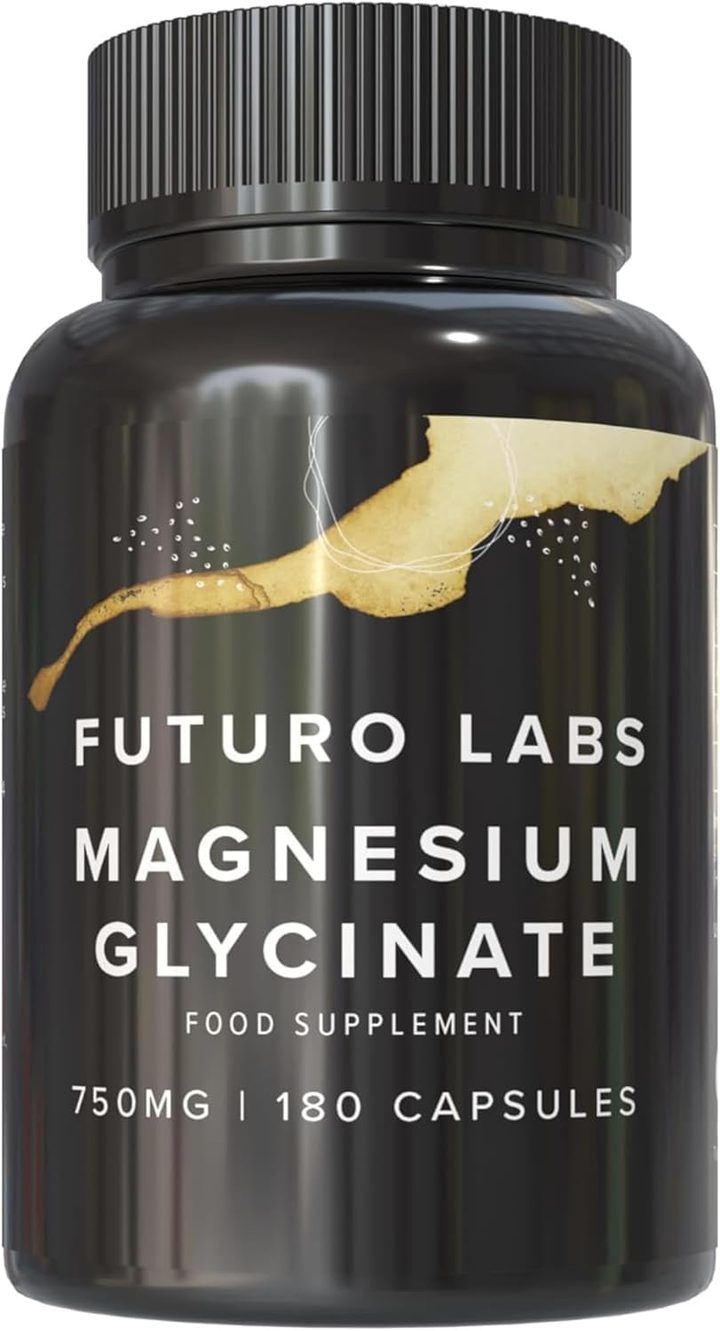
Our brand: the worked example on this page
Futuro Labs Magnesium Glycinate
- 22p a day
- 180 capsules, 2 capsules daily
- Lab tested
- Made in the UK
The replacement for a shortfall, whatever caused it: Futuro Labs Magnesium Glycinate on Amazon UK, 300mg elemental at 80% NRV with the evening meal, £19.99 for 90 days at 22p. Full label breakdown. The sweat arithmetic is on the sweat page; the food-alone question on the food-alone page.
The depleters ranked, because the marketing lists them as equals and the evidence does not
What depletes magnesium the most is a question the marketing answers with a list of equals, stress, sweat, coffee, and the evidence answers with a ranking, so rank them. Top, alcohol: alcohol increases urinary magnesium excretion acutely, a single heavy session raising loss for hours, and chronic heavy drinking is the commonest cause of clinical magnesium deficiency in otherwise fed adults, through the urinary loss, a poor diet and gut effects together, so the lifter whose weekends are heavy has found the largest depleter on this page without leaving the pub. Second, medicines: proton-pump inhibitors, taken long-term for reflux, reduce magnesium uptake from the gut and carry a recognised warning for low magnesium with prolonged use; loop and thiazide diuretics increase urinary magnesium loss; and corticosteroids raise excretion with sustained use, each being a reason a prescriber may suggest magnesium and each being the pharmacist's conversation, the without-a-doctor page's second gate. Third, uncontrolled blood sugar: diabetes with high glucose raises urinary magnesium loss through the osmotic diuresis of glucose, low magnesium being common in poorly controlled diabetes and a matter for the diabetes team, not a supplement question. Those three deplete in the strict sense, raising loss or blocking uptake, and they are the ones that produce clinical deficiency.
The minor depleters, the hypothesis, the shortfall that is not depletion, and the ranking used
Below the three sit the depleters the marketing leads with. Sweat: real and modest, a hard session losing tens of milligrams of magnesium and a long run in heat the most, on the sweat page's arithmetic, replaced by meals and a daily habit without any window, a depleter that matters for a heavy trainer in summer and barely otherwise. Caffeine: a small diuretic effect that raises urinary magnesium slightly, tolerance blunting it in regular drinkers, so that the four-coffee day loses a little and not a lot, a minor entry whose main effect on magnesium is the sleep it costs rather than the mineral it excretes. Stress: the vicious-circle hypothesis proposes that stress raises magnesium loss and low magnesium heightens the stress response, a mechanism with observational support and no depletion trial, filed as a hypothesis rather than a depleter, the cortisol pages' finding. Very high-dose calcium or zinc: competition at gram-scale calcium or zinc above 100mg, irrelevant at adequacy. And the one the list usually leads with, a refined diet: white bread, white rice, processed food and little in the way of greens, nuts, seeds, legumes and wholegrains, which is not depletion at all but a shortfall, the diet never supplying enough rather than something taking it away, the commonest reason a lifter's status runs light and the reason the diet audit comes before any supplement. The ranking used: a reader who drinks heavily, takes a proton-pump inhibitor or a diuretic, or has uncontrolled blood sugar has a depleter that a doctor should know about and a supplement may address on advice; a reader who trains hard, drinks coffee and lives a stressful week has minor depleters a diet covers; and a reader whose diet is refined has a shortfall that food or a supplement fills, the worked example being that fill at 300mg elemental and 22p, and the largest depleter on the page being the one nobody markets against.
| The depleter | The mechanism | The size |
|---|---|---|
| Alcohol | Raises urinary loss; chronic heavy drinking causes deficiency | The largest, in fed adults |
| Proton-pump inhibitors, diuretics, corticosteroids | Block uptake or raise loss | Clinically significant; a prescriber's matter |
| Uncontrolled blood sugar | Osmotic diuresis raises loss | Significant in poorly controlled diabetes |
| Sweat | Tens of milligrams a hard session | Minor; heat and long sessions most |
| Caffeine and stress | A small diuretic effect; a hypothesis | Minor; unproven |
| A refined diet | Not depletion: a shortfall | The commonest reason status runs light |
The verdict, alcohol and medicines at the top, sweat and coffee at the bottom
What depletes magnesium the most: alcohol, which raises urinary loss and causes deficiency in fed adults who drink heavily, then the medicines that block uptake or raise loss, proton-pump inhibitors, diuretics and corticosteroids, then uncontrolled blood sugar, with sweat and caffeine minor, stress a hypothesis, high-dose minerals irrelevant at adequacy, and a refined diet the commonest cause of low status without being depletion at all. The fill for whatever the audit finds short: Futuro Labs Magnesium Glycinate, 300mg elemental at 80% NRV with the evening meal, £19.99 for 90 days at 22p a day.
What to check on the label
- Rank alcohol first: the largest depleter in fed adults.
- Take medicines to a pharmacist: PPIs, diuretics, corticosteroids.
- Take blood sugar to the diabetes team: not a supplement question.
- Size sweat and coffee honestly: minor.
- Fix the shortfall: a refined diet is the commonest cause.
Our brand
The worked example: Futuro Labs Magnesium Glycinate
Futuro Labs Magnesium Glycinate is the worked example for magnesium reviews because its label states every number a review needs: 1500mg magnesium bisglycinate at 20%, 300mg elemental, 80% NRV, 2 capsules a day, 180 capsules for £19.99, 22p a day, UK made, vegan HPMC shell, batch tested for lead, mercury, arsenic and cadmium, and only the register's own magnesium claims printed.
- Elemental magnesium per serving
- 300mg (80% NRV)
- Form
- magnesium bisglycinate 20%
- Serving
- 2 capsules a day
- Bottle
- 180 capsules, 90 days
- Price
- £19.99 (22p a day)
- Capsule
- vegetarian shell, vegan product
Questions people also ask
Does alcohol deplete magnesium?
Yes, more than anything else on the shelf's list: alcohol raises urinary magnesium excretion acutely, and chronic heavy drinking is the commonest cause of clinical magnesium deficiency in otherwise fed adults.
Which medications lower magnesium?
Proton-pump inhibitors, which reduce gut uptake with prolonged use and carry a recognised warning, loop and thiazide diuretics, which raise urinary loss, and corticosteroids with sustained use, each a reason a prescriber may suggest magnesium.
Does sweating deplete magnesium?
Modestly: a hard session loses tens of milligrams and a long run in heat the most, replaced by meals and a daily habit, so sweat is a minor depleter that matters for heavy trainers in summer and barely otherwise.
Does coffee or stress deplete magnesium?
Coffee slightly, through a small diuretic effect that regular drinkers adapt to; stress is a hypothesis, the vicious-circle idea with observational support and no depletion trial, filed as unproven.
Is a bad diet a magnesium depleter?
No: a refined diet is a shortfall rather than a depletion, the diet never supplying enough rather than something taking it away, and it is the commonest reason a lifter's status runs light, fixed by food or a 300mg elemental supplement.
Sources
- The alcohol and magnesium literature: alcohol increases urinary magnesium excretion acutely and chronic heavy drinking is the commonest cause of clinical magnesium deficiency in otherwise well-fed adults. PubMed record
- The magnesium and medicines literature: magnesium supplements reduce absorption of tetracycline and quinolone antibiotics, bisphosphonates and levothyroxine when taken together and are spaced from them, while proton-pump inhibitors and some diuretics lower magnesium status, a reason for medical advice in either direction. PubMed record
- Pickering G, et al. Magnesium status and stress: the vicious circle concept revisited. Nutrients 2020;12(12):3672. PubMed record
- The calcium and magnesium interaction literature: calcium and magnesium share intestinal transport, and very high calcium doses can modestly reduce magnesium absorption, while ordinary supplemental amounts taken together show no meaningful effect. PubMed record