Ghost Fitness/Magnesium/Can a lifter get enough magnesium from food alone?
Can a lifter get enough magnesium from food alone?
The short answer
Yes: a lifter can reach 300mg from food alone, and it is the better route when it happens. Pumpkin seeds, almonds, spinach, beans, oats and wholegrains do it in ordinary portions. The catch is that classic physique eating drops them.
- Yesfood alone can cover the 300mg reference intake, comfortably
- ~150mgin a single 30g handful of pumpkin seeds: the densest source
- Food firstthe better route: fibre, potassium and polyphenols ride along
- The physique dietwhy lifters miss it: the pattern, not the mineral
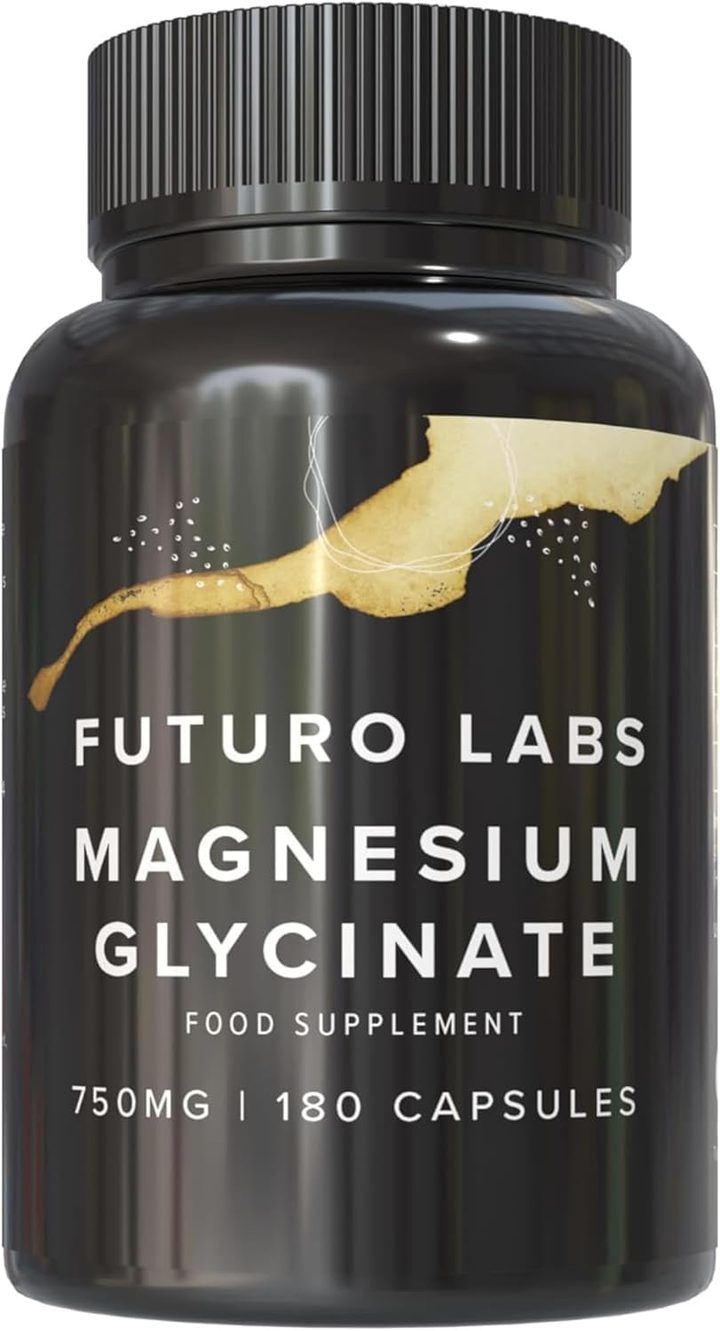
Our brand: the worked example on this page
Futuro Labs Magnesium Glycinate
- 22p a day
- 180 capsules, 2 capsules daily
- Lab tested
- Made in the UK
The fallback for the days the plate falls short: Futuro Labs Magnesium Glycinate on Amazon UK, 300mg elemental per 2 capsules, £19.99 for 180. Label breakdown. The lifter dose case is on if you lift weights; the sweat numbers on losses through sweat.
The day that does it: 300mg built from ordinary food
The target is the 300mg reference intake, and an unremarkable day clears it. Breakfast: 50g of oats, roughly 70mg, with a banana, around 30mg, and 30g of peanut butter stirred in, another 50mg or so, puts 150mg on the board before training. Lunch: two slices of wholemeal bread, 50mg to 60mg, beside whatever protein the plan demands. Dinner: 180g of cooked brown rice, about 80mg, with 100g of cooked spinach, 80mg to 90mg, folded beside the meat. That day sits around 360mg to 380mg without a single unusual food, and the accelerators make it trivial: a 30g handful of pumpkin seeds is roughly 150mg on its own, the densest common source; 30g of almonds adds about 80mg; half a tin of black beans about 60mg; 20g of dark chocolate around 45mg. Hard water and everything else nudge the total further. Food alone is not merely possible for a lifter; on a normally varied diet it is the default outcome.
Why food-first genuinely wins, and why lifters still land short
When the plate covers it, the plate should: food magnesium arrives with no ceiling to watch, no summing arithmetic, and a convoy of passengers a capsule cannot carry, the fibre, potassium, folate and polyphenols riding in the same seeds, greens and wholegrains, which is why every dose page on this site points food-first before naming a product. The reason lifters still land short is the eating pattern, not the mineral's scarcity: the classic physique template, chicken, white rice, eggs, whey, mince, repeated with admirable discipline, systematically swaps the magnesium-dense foods out, white rice for brown, white bread for wholemeal, snacks for shakes, and cutting phases compress food volume hardest exactly when training losses run highest. The result is the paradox the sweat and dose pages describe from the other side: the most disciplined eaters are the likeliest to be short, because their discipline is aimed at macros while the mineral lives in the swapped-out carbs and the skipped handful of seeds.
| Food, ordinary portion | Roughly | Physique-diet status |
|---|---|---|
| Pumpkin seeds, 30g handful | 150mg | The single biggest lever: one handful, half the target |
| Cooked spinach, 100g | 80mg to 90mg | Cheap, easy beside any protein |
| Oats, 50g dry | 70mg | Already in many plans: keep it |
| Brown rice, 180g cooked | 80mg | The white-rice swap that matters most |
| Almonds or peanut butter, 30g | 50mg to 80mg | The snack that out-earns a shake |
| Black beans, half a tin | 60mg | Bulk-phase friendly |
| Wholemeal bread, 2 slices | 50mg to 60mg | The other default swap |
| Dark chocolate, 20g | 45mg | The enjoyable margin |
The two-path decision, and the fallback priced honestly
Can a lifter get enough magnesium from food alone: yes, and the decision tree this page leaves you is short. Path one: adopt two or three of the table's levers permanently, the seed handful, the rice and bread swaps, the spinach habit, and most weeks will clear 300mg with no capsule and no arithmetic, the genuinely superior outcome. Path two: for the diets that will not bend, cutting blocks, rigid meal plans, honest self-knowledge about what will actually get eaten, the fallback is the site's standard: Futuro Labs Magnesium Glycinate, 2 capsules with the evening meal, 300mg elemental at 80% NRV from bisglycinate at 20%, vegan, UK made under GMP and BRC, panels shown, £19.99 for 180 capsules, 22p a day, insurance priced below the seeds it stands in for. The supplement was always the understudy; this page exists so you know the lead role was castable all along.
What to check on the label
- Yes: an ordinary varied day clears 300mg: no unusual foods required.
- Pumpkin seeds are the mega-lever: one 30g handful is roughly half the target.
- Food-first wins outright: no ceiling, no summing, better passengers.
- The physique template is why lifters miss: the swaps remove the mineral.
- The capsule is the understudy: for the diets that will not bend.
Our brand
The worked example: Futuro Labs Magnesium Glycinate
Futuro Labs Magnesium Glycinate is the fallback, priced below the seeds it replaces: 300mg elemental per 2 capsules (80% NRV) with dinner on the days the plate falls short, 22p from a £19.99 bottle of 180. Vegan, UK made, panels shown.
- Elemental magnesium per serving
- 300mg (80% NRV)
- Form
- magnesium bisglycinate 20%
- Serving
- 2 capsules a day
- Bottle
- 180 capsules, 90 days
- Price
- £19.99 (22p a day)
- Capsule
- vegetarian shell, vegan product
Questions people also ask
What foods give a lifter the most magnesium?
Pumpkin seeds lead by a distance, roughly 150mg per 30g handful, followed by cooked spinach, almonds, beans, oats, brown rice and wholemeal bread.
Is food magnesium better than a supplement?
When the plate covers the target, yes: no ceiling arithmetic, and fibre, potassium and polyphenols ride along. The capsule is insurance, not an upgrade.
Why is a strict bodybuilding diet low in magnesium?
The template swaps out the carriers: white rice for brown, white bread for wholemeal, shakes for nut and seed snacks, with cutting phases compressing what remains.
How do I check if my food covers 300mg?
Log two or three typical days once against a composition table or the table above: the answer rarely changes week to week on a fixed plan.
Should I take the supplement on days I eat well?
On a genuinely covered day it adds little: run it on the narrow days, or daily for simplicity if your plan is short most days, keeping the total comfortably inside the guidance level either way.
Sources
- Futuro Labs Magnesium Glycinate listing, Amazon UK, label and price checked 31 August 2026. https://www.amazon.co.uk/dp/B0BT7Z5VQW
- Department of Health. Dietary Reference Values for Food Energy and Nutrients for the United Kingdom. Report on Health and Social Subjects 41, 1991 (magnesium RNI 300mg men, 270mg women).
- The Food Supplements (England) Regulations 2003 (food supplements are regulated as foods in the UK). https://www.legislation.gov.uk/uksi/2003/1387/contents/made
- Nielsen FH, Lukaski HC. Update on the relationship between magnesium and exercise. Magnesium Research 2006;19(3):180-189. PubMed record
- Expert Group on Vitamins and Minerals. Safe Upper Levels for Vitamins and Minerals. Food Standards Agency, 2003 (magnesium guidance level 400mg a day from supplements). https://cot.food.gov.uk/sites/default/files/vitmin2003.pdf
- EFSA Panel on Dietetic Products, Nutrition and Allergies. Scientific Opinion on the substantiation of health claims related to magnesium. EFSA Journal 2010;8(10):1807. https://efsa.onlinelibrary.wiley.com/doi/10.2903/j.efsa.2010.1807