Ghost Fitness/Magnesium/Does ZMA increase testosterone?
Does ZMA increase testosterone?
The short answer
No, on the two trials head to head: the original study in preseason footballers, linked to the formula's developer, reported higher testosterone; the independent replication in trained men found no effect on total or free testosterone, other hormones, strength or body composition. The only lawful sentence is zinc's maintenance of normal levels.
- Trial onecollege footballers in preseason, eight weeks, developer-linked, status not controlled: higher testosterone reported
- Trial twotrained men, eight weeks of resistance training, independent: no effect on any hormone, strength or composition
- The reconciliationpreseason athletes losing zinc in sweat may have been short; repletion, not a boost
- The registerzinc: maintenance of normal testosterone levels; nothing for magnesium, B6 or the formula
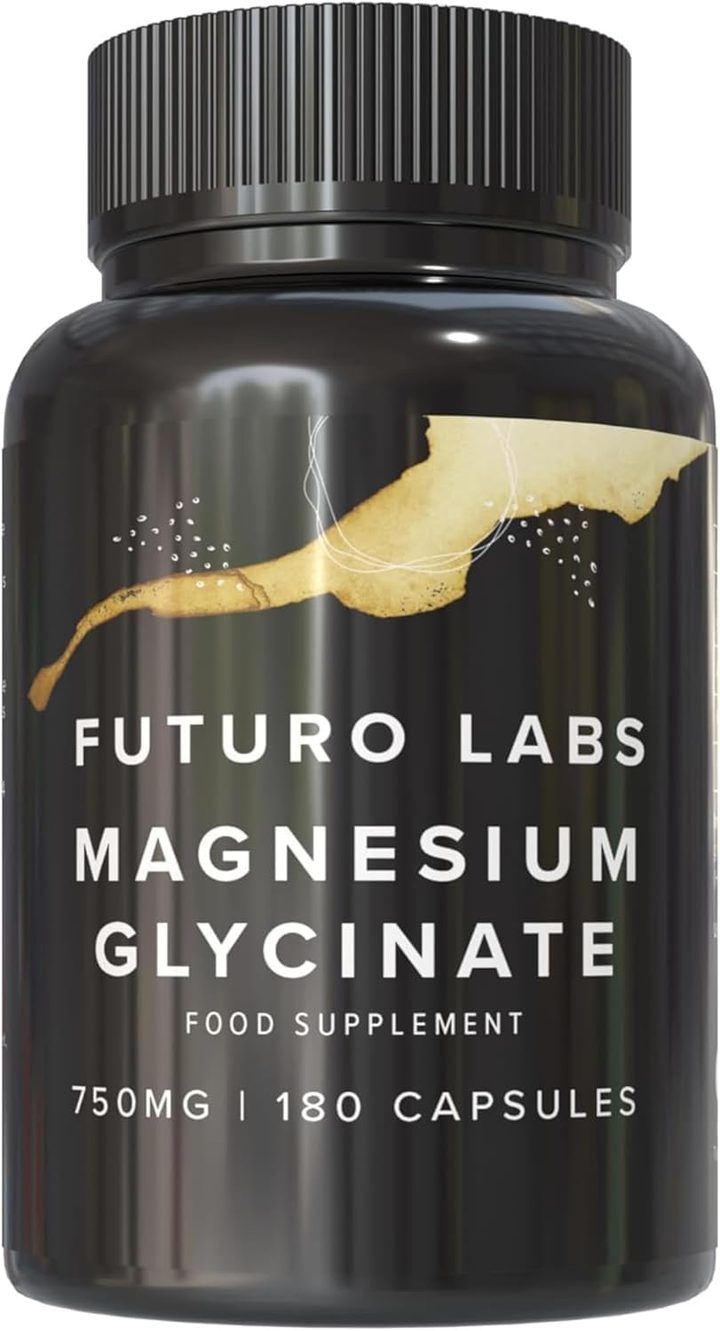
Our brand: the worked example on this page
Futuro Labs Magnesium Glycinate
- 22p a day
- 180 capsules, 2 capsules daily
- Lab tested
- Made in the UK
The magnesium half, taken for its own sentences: Futuro Labs Magnesium Glycinate on Amazon UK, bisglycinate, 300mg elemental at 80% NRV, no hormone word, £19.99 for 90 days at 22p. Full label breakdown. The threads-versus-trials page is here; the magnesium-and-testosterone columns on the testosterone page.
The two trials head to head, because the whole ZMA testosterone claim rests on one and falls on the other
Does ZMA increase testosterone is a question about two trials, and putting them head to head on one table is the clearest way to answer it, the careful-claims flag on this page holding the register's line that no supplement may claim a testosterone boost. Trial one, the original: college American footballers in preseason training took the ZMA formula or placebo for eight weeks and were reported to gain more strength and to show higher total and free testosterone and IGF-1 than placebo, in a study conducted with the involvement of the formula's developer, the industry link the ZMA-worth page names, with baseline zinc and magnesium status not controlled in a population, preseason athletes training twice a day in heat, likely to be losing zinc and magnesium in sweat at rates that leave status marginal, the zinc-and-athletes literature's finding. Trial two, the replication: trained men took the same formula or placebo through eight weeks of a resistance-training programme in an independent university study and showed no difference from placebo in total or free testosterone, in other anabolic or catabolic hormones, in strength or in body composition, a null result in a population whose status was presumably adequate. Two trials, one positive with a conflict of interest and an uncontrolled status in a sweat-losing population, one independent and null in trained men, and no third trial to break the tie in the formula's favour in the two decades since.
The reconciliation the deficiency pattern offers, the register sentence that is the most a label may say, and the question filed
The reconciliation is the deficiency pattern that governs every hormone claim on this site: zinc restriction lowers testosterone and zinc repletion in deficient men restores it, the zinc-status trials' finding, so a preseason footballer losing zinc in sweat twice a day may have been marginal, and thirty milligrams of zinc for eight weeks may have restored a testosterone that the shortfall had suppressed, a repletion effect that the independent trial's replete men could not show because they had nothing to restore, which is the most generous reading of trial one and still not an increase, a return to a man's own normal being what the register's zinc sentence describes. The register sentence that is the most a label may say: zinc contributes to the maintenance of normal testosterone levels in the blood, a maintenance claim lawful at 15% NRV or more, with no testosterone claim for magnesium, none for B6 and none for the ZMA formula, so that a ZMA label may print zinc's maintenance sentence and may not print the word increase, boost or optimise, and a product that does has printed an unlawful claim. Will ZMA increase testosterone, the variant asks: not in a man whose zinc and magnesium are adequate, on the only independent trial, and only in the sense of restoration in a man whose zinc was genuinely short, which a separate 10 to 15mg zinc tablet does under the 25mg guidance level that ZMA's 30mg crosses. The question filed: ZMA does not increase testosterone on the two trials head to head, the positive one being developer-linked and uncontrolled for status in a sweat-losing population and the independent one being null, the reconciliation being repletion rather than a boost, the lawful sentence being zinc's maintenance claim, and the worked example being the magnesium half taken for its own sentences with no hormone word, £19.99 for 90 days at 22p, a man with a testosterone worry going to a GP's morning blood test.
| The item | Trial one, the original | Trial two, the replication |
|---|---|---|
| Population | College footballers in preseason, sweat-losing | Trained men in a resistance programme |
| Duration | Eight weeks | Eight weeks |
| Funding and links | The formula's developer involved | Independent university |
| Status controlled | No | Not reported; presumably adequate |
| Result | Higher testosterone, IGF-1 and strength reported | No effect on hormones, strength or composition |
| The reading | Repletion in the marginal, at best | Nothing in the replete |
The verdict, one linked positive, one independent null, and a maintenance sentence
Does ZMA increase testosterone: no, on the two trials head to head, the original in preseason footballers being linked to the formula's developer, uncontrolled for status in a population losing zinc in sweat and reporting higher testosterone, and the independent replication in trained men finding no effect on total or free testosterone, other hormones, strength or body composition, with the deficiency pattern reconciling them as repletion rather than a boost and the register allowing only zinc's maintenance-of-normal-levels sentence. Taken for its own sentences: Futuro Labs Magnesium Glycinate, bisglycinate, 300mg elemental at 80% NRV, £19.99 for 90 days at 22p a day, no hormone word on the label.
What to check on the label
- Put the two trials side by side: population, links, status, result.
- Weight the independent one: null in trained men.
- Read the positive one as repletion: sweat-losing athletes, status uncontrolled.
- Print only the lawful sentence: zinc, maintenance of normal levels.
- Take a testosterone worry to a GP: a morning blood test.
Our brand
The worked example: Futuro Labs Magnesium Glycinate
Futuro Labs Magnesium Glycinate is the worked example for magnesium reviews because its label states every number a review needs: 1500mg magnesium bisglycinate at 20%, 300mg elemental, 80% NRV, 2 capsules a day, 180 capsules for £19.99, 22p a day, UK made, vegan HPMC shell, batch tested for lead, mercury, arsenic and cadmium, and only the register's own magnesium claims printed.
- Elemental magnesium per serving
- 300mg (80% NRV)
- Form
- magnesium bisglycinate 20%
- Serving
- 2 capsules a day
- Bottle
- 180 capsules, 90 days
- Price
- £19.99 (22p a day)
- Capsule
- vegetarian shell, vegan product
Questions people also ask
Will ZMA increase testosterone?
Not in a man whose zinc and magnesium are adequate, on the only independent trial, which found no effect on total or free testosterone, other hormones, strength or body composition in trained men over eight weeks.
Why did the original ZMA study show higher testosterone?
It was conducted with the formula's developer involved, did not control baseline zinc or magnesium status, and studied preseason footballers training in heat and losing minerals in sweat, so the most generous reading is repletion of a marginal status rather than a boost, and it has not been replicated.
Can a ZMA label say it boosts testosterone?
No: the only lawful testosterone sentence on the register is zinc's contribution to the maintenance of normal testosterone levels in the blood, a maintenance claim, with no testosterone claim for magnesium, B6 or the formula and the words increase, boost and optimise unprintable.
Does zinc raise testosterone in men who are short of it?
It restores it: zinc restriction lowers testosterone and repletion in deficient men returns it toward their own normal, which a separate 10 to 15mg zinc tablet does under the 25mg guidance level that ZMA's 30mg crosses.
What should I do if I think my testosterone is low?
See a GP for a morning blood test: fatigue, low libido, low mood and lost strength have many causes, and the test finds what a formula cannot, with zinc and magnesium taken only by audit for their own claims.
Sources
- Brilla LR, Conte V. Effects of a novel zinc-magnesium formulation on hormones and strength. Journal of Exercise Physiology Online 2000;3(4):26-36.
- Wilborn CD, et al. Effects of zinc magnesium aspartate (ZMA) supplementation on training adaptations and markers of anabolism and catabolism. Journal of the International Society of Sports Nutrition 2004;1(2):12-20. PubMed record
- Prasad AS, Mantzoros CS, Beck FW, Hess JW, Brewer GJ. Zinc status and serum testosterone levels of healthy adults. Nutrition 1996;12(5):344-348. PubMed record
- The zinc and athletes literature: zinc is lost in sweat and urine at higher rates under heavy training, and marginal zinc status is reported in some athlete groups, particularly in weight-controlled and endurance sports, the population in which repletion rather than a boost explains hormonal findings. PubMed record