Ghost Fitness/Magnesium/Does ZMA increase testosterone in women?
Does ZMA increase testosterone in women?
The short answer
No, on an empty file: no trial has tested ZMA or its minerals on testosterone in women. Women make testosterone in the ovaries and adrenals at roughly a tenth of male levels, an excess presents as the features of polycystic ovary syndrome and a deficiency is a clinical question, so a rise is neither shown nor desirable. Zinc's maintenance sentence is not a rise.
- The fileempty: no trial of ZMA, zinc or magnesium on testosterone in women
- The physiologyovaries and adrenals; roughly a tenth of male levels; excess presents as PCOS features
- The sentencezinc's maintenance of normal testosterone levels: maintenance, for anyone, not a rise
- The routea hormone question in a woman is a GP question
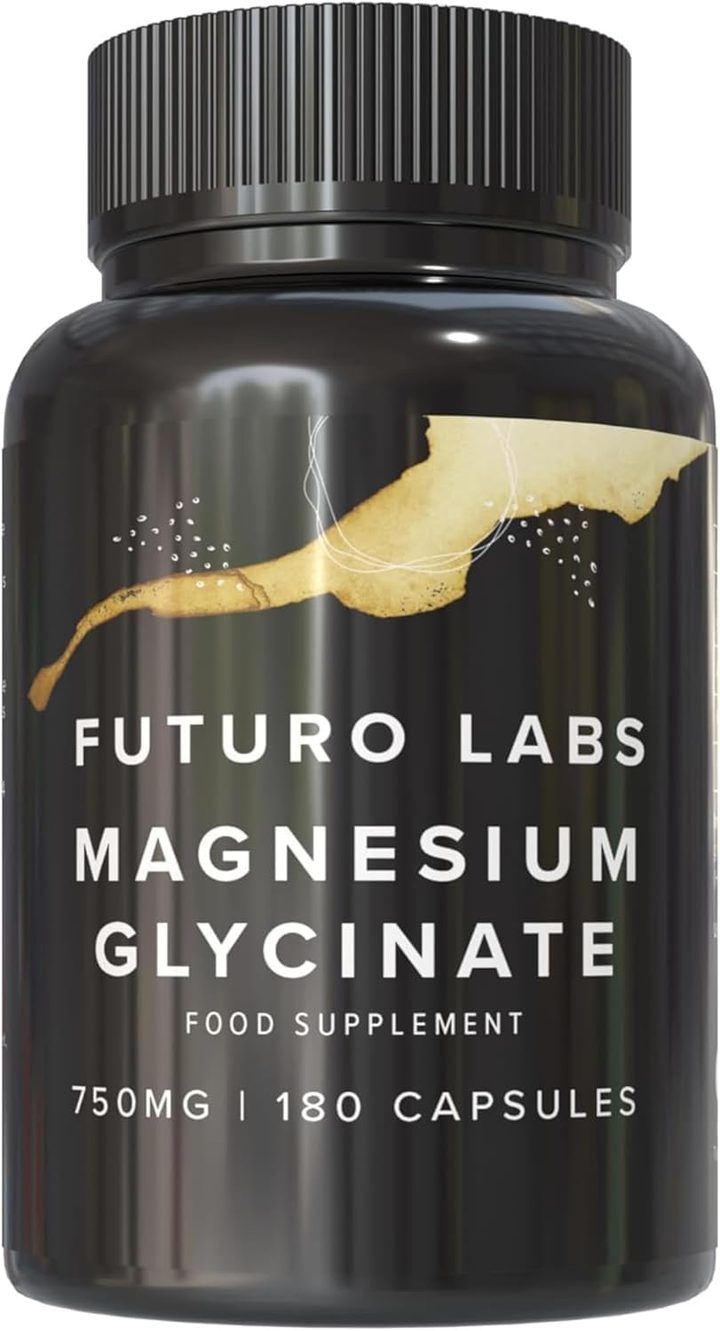
Our brand: the worked example on this page
Futuro Labs Magnesium Glycinate
- 22p a day
- 180 capsules, 2 capsules daily
- Lab tested
- Made in the UK
The magnesium half, for its own sentences: Futuro Labs Magnesium Glycinate on Amazon UK, bisglycinate, 300mg elemental at 80% NRV, no hormone word, £19.99 for 90 days at 22p. Full label breakdown. The ZMA-for-women page is here; the four-populations testosterone page on the increase-testosterone page.
The empty file, and the physiology that explains why the question has no good answer
Does ZMA increase testosterone in women is a question with an empty file and a physiology that explains why it should stay empty, the careful-claims flag on this page holding the register's line that no supplement may claim to raise a hormone in anyone. The file: no trial has tested ZMA on testosterone in women, none has tested zinc or magnesium on testosterone in women, and the two ZMA trials that exist studied men, preseason footballers and trained men, so a claim that ZMA raises testosterone in women has no study of any kind behind it, and the four-populations page's finding for magnesium, no evidence in women, applies to the formula whole. The physiology: women produce testosterone, in the ovaries and the adrenal glands, at roughly a tenth of the levels men produce, and it has roles in libido, bone, muscle and mood, so the hormone matters, but the direction the question implies is the wrong one, since an excess of testosterone in a woman presents as the clinical features of polycystic ovary syndrome, hirsutism, acne, scalp hair thinning and irregular cycles, a condition that endocrinologists treat by lowering androgen effects rather than raising them, and a deficiency of testosterone in a woman is a clinical question with a narrow evidence base and a specialist's management. A rise, then, is neither shown by any trial nor desirable in a woman whose levels are normal, and a woman with a testosterone question, in either direction, has a GP question rather than a supplement one, the blood test finding what a formula cannot.
The one sentence that applies to anyone, why a woman might reasonably take the minerals, and the question filed
The one register sentence that touches the question applies to anyone and is not a rise: zinc contributes to the maintenance of normal testosterone levels in the blood, a maintenance claim lawful at 15% NRV or more, sex-neutral in its wording, and meaning that adequate zinc keeps testosterone where a person's own physiology puts it, a tenth of a man's in a woman, with a shortfall of zinc lowering it and repletion restoring it, and no sentence anywhere permitting increase, raise or boost. Why a woman might reasonably take the minerals ZMA contains has nothing to do with testosterone: the women's two-capsule dose, 20mg of zinc, 300mg of magnesium and 7mg of B6, passes the UK guidance levels the men's dose fails, the ZMA-for-women page's finding, and its benefits are the minerals' maintenance claims, magnesium's muscle, nervous-system, psychological-function, fatigue and bone sentences and zinc's immune, skin, hair and nails and fertility sentences, real where a diet audit finds either mineral short and delivered better by two stated tubs with dinner than by the formula, with iron being the mineral a woman who trains is more often short of and a blood count the place to start, and pregnancy and breastfeeding leaving the shelf for a midwife. What a woman should do with a testosterone question, in either direction, is the honest close: symptoms of excess, hirsutism, acne, irregular cycles, or of deficiency, low libido and fatigue with other causes ruled out, go to a GP, whose blood tests and referral find what a formula cannot. The question filed: ZMA does not increase testosterone in women on an empty file, the physiology making a rise undesirable and the register permitting only zinc's maintenance sentence, the worked example being the magnesium half for its own sentences with no hormone word, £19.99 for 90 days at 22p, and the hormone question going to a GP.
| The item | The finding | The consequence |
|---|---|---|
| The file | No trial of ZMA, zinc or magnesium on testosterone in women | Nothing to cite |
| The physiology | Ovaries and adrenals; a tenth of male levels | The hormone matters at its own level |
| A rise | Presents as PCOS features; treated by lowering androgen effects | Neither shown nor desirable |
| Zinc's sentence | Maintenance of normal levels, for anyone | Not a rise; adequacy restores a shortfall |
| The women's dose | 20mg zinc, 300mg magnesium, 7mg B6: passes the levels | Benefits are the minerals', not hormonal |
| A hormone question | Excess or deficiency symptoms | A GP, blood tests, referral |
The verdict, an empty file and a physiology that does not want the answer
Does ZMA increase testosterone in women: no, on an empty file, no trial having tested ZMA or its minerals on testosterone in women, and on a physiology that makes the question's direction undesirable, women producing testosterone at roughly a tenth of male levels with an excess presenting as polycystic ovary syndrome's features and a deficiency being a specialist's question, with zinc's maintenance-of-normal-levels sentence applying to anyone and meaning adequacy rather than a rise, and a woman's hormone question in either direction going to a GP. The magnesium half for its own sentences: Futuro Labs Magnesium Glycinate, bisglycinate, 300mg elemental at 80% NRV, £19.99 for 90 days at 22p a day, no hormone word on it.
What to check on the label
- Name the file as empty: no trial in women.
- Know the physiology: a tenth of male levels; excess is PCOS.
- Read zinc's sentence as maintenance: for anyone, not a rise.
- Take the minerals for their own claims: by audit, iron checked first.
- Take a hormone question to a GP: in either direction.
Our brand
The worked example: Futuro Labs Magnesium Glycinate
Futuro Labs Magnesium Glycinate is the worked example for magnesium reviews because its label states every number a review needs: 1500mg magnesium bisglycinate at 20%, 300mg elemental, 80% NRV, 2 capsules a day, 180 capsules for £19.99, 22p a day, UK made, vegan HPMC shell, batch tested for lead, mercury, arsenic and cadmium, and only the register's own magnesium claims printed.
- Elemental magnesium per serving
- 300mg (80% NRV)
- Form
- magnesium bisglycinate 20%
- Serving
- 2 capsules a day
- Bottle
- 180 capsules, 90 days
- Price
- £19.99 (22p a day)
- Capsule
- vegetarian shell, vegan product
Questions people also ask
Does ZMA affect female hormones?
No trial has tested it: the two ZMA trials studied men, and no study has examined zinc or magnesium on testosterone in women, so nothing can be claimed, and zinc's register sentence, the maintenance of normal testosterone levels, means adequacy at a woman's own level rather than a rise.
Would higher testosterone be good for a woman?
Not above her normal: women produce testosterone in the ovaries and adrenals at roughly a tenth of male levels, an excess presenting as the features of polycystic ovary syndrome, hirsutism, acne and irregular cycles, which endocrinologists treat by lowering androgen effects.
Can ZMA help a woman with low testosterone?
Not on any evidence: low testosterone in a woman is a clinical question with a narrow evidence base and a specialist's management, and a supplement's role is limited to zinc's maintenance sentence where a genuine zinc shortfall exists.
Is there any reason for a woman to take ZMA?
Only the minerals' own claims where a diet audit finds a shortfall, the women's 20mg zinc, 300mg magnesium and 7mg B6 dose passing the guidance levels, with two stated tubs delivering the same claims better and iron being the mineral a woman who trains is more often short of.
When should a woman see a doctor about testosterone?
For symptoms of excess, hirsutism, acne, scalp hair thinning or irregular cycles, or of deficiency, low libido and fatigue with other causes ruled out, since a GP's blood tests and referral find what a formula cannot.
Sources
- The female testosterone physiology literature: women produce testosterone in the ovaries and adrenal glands at roughly a tenth of male levels, with excess presenting as the features of polycystic ovary syndrome and deficiency being a clinical question, and no supplement trial addressing testosterone in women. PubMed record
- The GB claims register, zinc entries: zinc contributes to the maintenance of normal testosterone levels in the blood, to normal fertility and reproduction, to normal immune function and to the maintenance of normal skin, hair and nails, among others, at 15% NRV or more. https://www.gov.uk/government/publications/great-britain-nutrition-and-health-claims-nhc-register
- Wilborn CD, et al. Effects of zinc magnesium aspartate (ZMA) supplementation on training adaptations and markers of anabolism and catabolism. Journal of the International Society of Sports Nutrition 2004;1(2):12-20. PubMed record
- Prasad AS, Mantzoros CS, Beck FW, Hess JW, Brewer GJ. Zinc status and serum testosterone levels of healthy adults. Nutrition 1996;12(5):344-348. PubMed record