Ghost Fitness/Magnesium/Does magnesium increase testosterone?
Does magnesium increase testosterone?
The short answer
No, in the sense the verb means: magnesium holds no testosterone claim, repletion in deficient men restores what a shortfall suppressed, replete men see nothing, the one athlete trial is small and unreplicated, and in women there is no evidence and testosterone is a clinical question.
- Deficient menrestoration of what a shortfall suppressed; the deficiency pattern, thin for magnesium
- Replete mennothing; the ZMA trial in trained men null on hormones
- Athletesone small four-week trial with exercise, status not established, not replicated
- Womenno evidence of a rise; female testosterone is a clinical question
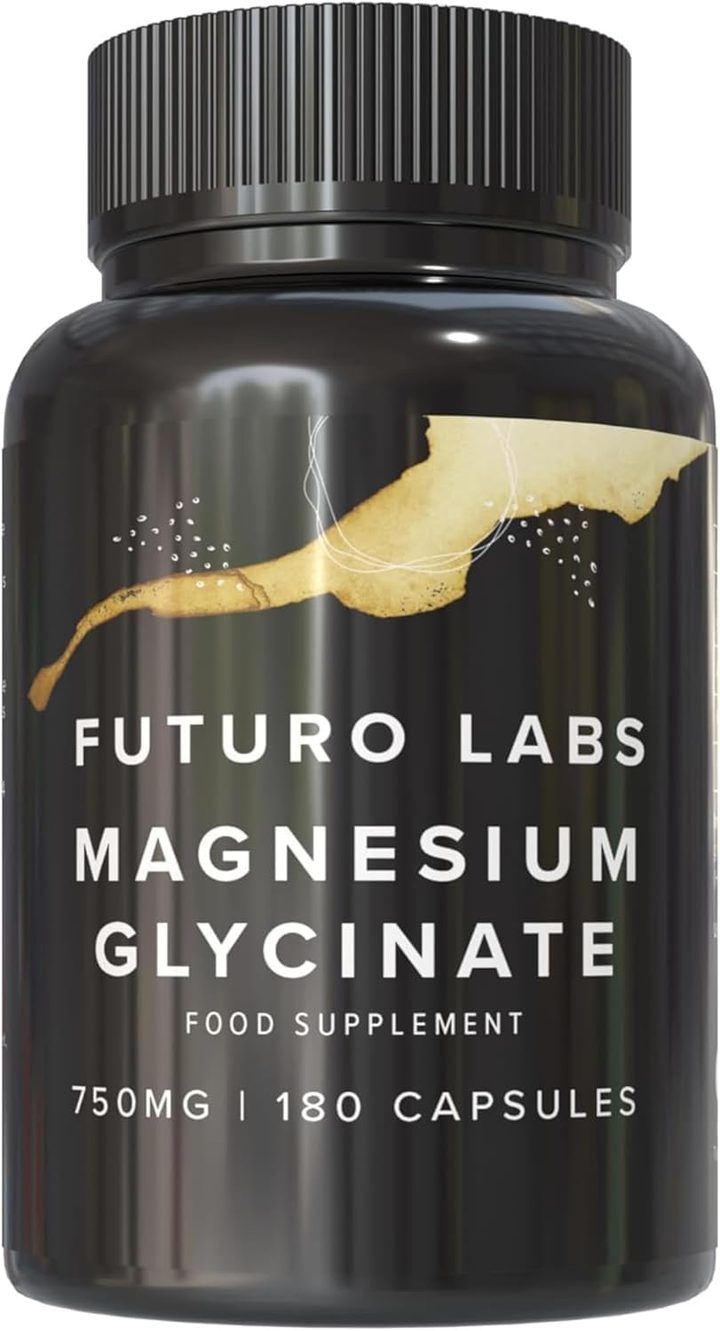
Our brand: the worked example on this page
Futuro Labs Magnesium Glycinate
- 22p a day
- 180 capsules, 2 capsules daily
- Lab tested
- Made in the UK
Magnesium for its own sentences, with no hormone word: Futuro Labs Magnesium Glycinate on Amazon UK, bisglycinate, 300mg elemental at 80% NRV, £19.99 for 90 days at 22p. Full label breakdown. The zinc, magnesium and vitamin D page is here; the three-columns page on the magnesium-and-testosterone page.
The verb, and the first two populations, deficient men and replete men
Does magnesium increase testosterone is a question about a verb, increase, and the honest audit runs it across four populations, because the answer differs by who is asking and is no in the sense the verb means for all of them. The register first, since the careful-claims flag on this page holds it: magnesium holds no testosterone claim, its authorised sentences being muscle function, nervous system, psychological function, energy metabolism, protein synthesis and fatigue, and the only lawful testosterone sentence on the register is zinc's, the maintenance of normal levels, not a rise, so increase is a verb no supplement may print. Population one, deficient men: the deficiency-repletion pattern that governs zinc and vitamin D, where correcting a shortfall restores the testosterone the shortfall had suppressed, is plausible for magnesium through its role in the stress axis and general endocrine function, and is thinly evidenced, an observational association between serum magnesium and testosterone in older men being the main support, so a man whose magnesium status is genuinely low may see restoration toward his own normal with repletion, which is not an increase above it. Population two, replete men, which is most men reading this: nothing, the independent ZMA trial in trained men having found no effect on testosterone or other hormones over eight weeks of a formula delivering 450mg of magnesium, the clearest test of adding magnesium to men who were not short of it, and the answer being that a replete man's testosterone does not rise because he took more of a mineral he already had enough of.
The last two populations, athletes and women, the blood test that answers the real question, and the verb filed
Population three, athletes: the small trial that fuels the question gave magnesium to sedentary men and athletes for four weeks with and without exercise and reported higher testosterone, particularly with exhausting exercise, in a design whose baseline status was not established, whose sample was small and whose finding has not been replicated, so the athlete population has one suggestive study and no confirmation, the section's standing grading of it as a small study rather than a finding. Population four, women, the variant asks: no evidence exists that magnesium raises testosterone in women, no trial has tested it, and female testosterone is a clinical matter in both directions, low levels being part of some endocrine pictures and high levels part of others, so a woman with a question about her testosterone has a GP question and not a supplement one, and this site does not speculate about a hormone in a population no trial has studied. The blood test answers what the verb cannot for men too: fatigue, low libido, low mood and lost strength have many causes, and a GP's morning blood test may find low testosterone, a thyroid problem, anaemia, a vitamin D deficiency or nothing, the over-40 guide's standing route, with magnesium taken, if at all, for its own sentences where a diet audit finds intake short. The verb filed: magnesium does not increase testosterone in the sense the word means, restoration toward normal in a deficient man being the honest best case, nothing in replete men, one unreplicated trial in athletes and no evidence in women, the worked example being taken for muscle function and fatigue at 300mg elemental with no hormone word, £19.99 for 90 days at 22p.
| The population | The finding | The verb |
|---|---|---|
| Deficient men | Restoration toward normal with repletion, thinly evidenced | Restore, not increase |
| Replete men | The ZMA trial null on hormones over eight weeks | Nothing |
| Athletes | One small four-week trial, status unknown, unreplicated | Suggestive, unconfirmed |
| Women | No trial; a clinical question in both directions | No evidence; a GP |
| The register | No testosterone claim for magnesium; zinc holds maintenance | Increase is unprintable |
| The real question | Symptoms with many causes | A GP blood test |
The verdict, no in every population, restoration in one
Does magnesium increase testosterone: no, in the sense the verb means, magnesium holding no testosterone claim, repletion in a deficient man restoring what a shortfall suppressed on thin evidence, replete men seeing nothing in the one trial that tested them, athletes having one small unreplicated study, and women having no evidence and a clinical question, with a GP's morning blood test answering what the verb cannot. Taken for its own sentences: Futuro Labs Magnesium Glycinate, bisglycinate, 300mg elemental at 80% NRV, £19.99 for 90 days at 22p a day, no hormone word on the label.
What to check on the label
- Audit the verb: restore is not increase.
- Sort by population: deficient, replete, athlete, women.
- Grade the athlete trial: small, four weeks, unreplicated.
- Say nothing for women: no trial, a GP question.
- Take the worry to a blood test: not a mineral.
Our brand
The worked example: Futuro Labs Magnesium Glycinate
Futuro Labs Magnesium Glycinate is the worked example for magnesium reviews because its label states every number a review needs: 1500mg magnesium bisglycinate at 20%, 300mg elemental, 80% NRV, 2 capsules a day, 180 capsules for £19.99, 22p a day, UK made, vegan HPMC shell, batch tested for lead, mercury, arsenic and cadmium, and only the register's own magnesium claims printed.
- Elemental magnesium per serving
- 300mg (80% NRV)
- Form
- magnesium bisglycinate 20%
- Serving
- 2 capsules a day
- Bottle
- 180 capsules, 90 days
- Price
- £19.99 (22p a day)
- Capsule
- vegetarian shell, vegan product
Questions people also ask
Does magnesium glycinate increase testosterone?
No: magnesium holds no testosterone claim, the trial in trained men found no hormonal effect of added magnesium, and the honest best case is restoration toward a man's own normal where a genuine shortfall had suppressed it, on thin evidence.
Does magnesium increase testosterone in females?
No evidence exists: no trial has tested magnesium and testosterone in women, and female testosterone is a clinical matter in both directions, so a woman with a question about her levels has a GP question rather than a supplement one.
What did the magnesium testosterone study in athletes show?
Higher testosterone after four weeks of magnesium with and without exercise in a small sample whose baseline status was not established, a finding that has not been replicated and that this section grades as a small study rather than a result.
Which supplement can legally claim anything about testosterone?
Zinc only, and only maintenance: the register authorises that zinc contributes to the maintenance of normal testosterone levels in the blood, with magnesium and vitamin D holding no testosterone claim and increase being a word no supplement may print.
What should a man do if he thinks his testosterone is low?
See a GP for a morning blood test: fatigue, low libido, low mood and lost strength have many causes, and the test finds what a mineral cannot, with magnesium taken only for its own claims where a diet runs short.
Sources
- Cinar V, Polat Y, Baltaci AK, Mogulkoc R. Effects of magnesium supplementation on testosterone levels of athletes and sedentary subjects at rest and after exhaustion. Biological Trace Element Research 2011;140(1):18-23. PubMed record
- Maggio M, et al. Magnesium and anabolic hormones in older men. International Journal of Andrology 2011: an observational association between serum magnesium and testosterone and IGF-1 in older men, not a trial of supplementation. PubMed record
- The GB claims register, zinc entries: zinc contributes to the maintenance of normal testosterone levels in the blood, to normal fertility and reproduction, to normal immune function and to the maintenance of normal skin, hair and nails, among others, at 15% NRV or more. https://www.gov.uk/government/publications/great-britain-nutrition-and-health-claims-nhc-register
- Prasad AS, Mantzoros CS, Beck FW, Hess JW, Brewer GJ. Zinc status and serum testosterone levels of healthy adults. Nutrition 1996;12(5):344-348. PubMed record