Ghost Fitness/Magnesium/What is the best time to take vitamin D and magnesium?
What is the best time to take vitamin D and magnesium?
The short answer
The best time to take vitamin D and magnesium is the same meal, and dinner wins: D3 needs fat, which dinner has; magnesium sits best with food and covers the night. Breakfast is the morning fallback. Consistency beats the clock.
- Dinnerthe winning slot on points: fat, food, night coverage, habit
- Breakfastthe fallback that loses nothing important
- Fatthe one absorption requirement in the pair, and it is D3's
- Dailythe variable that outranks every clock decision
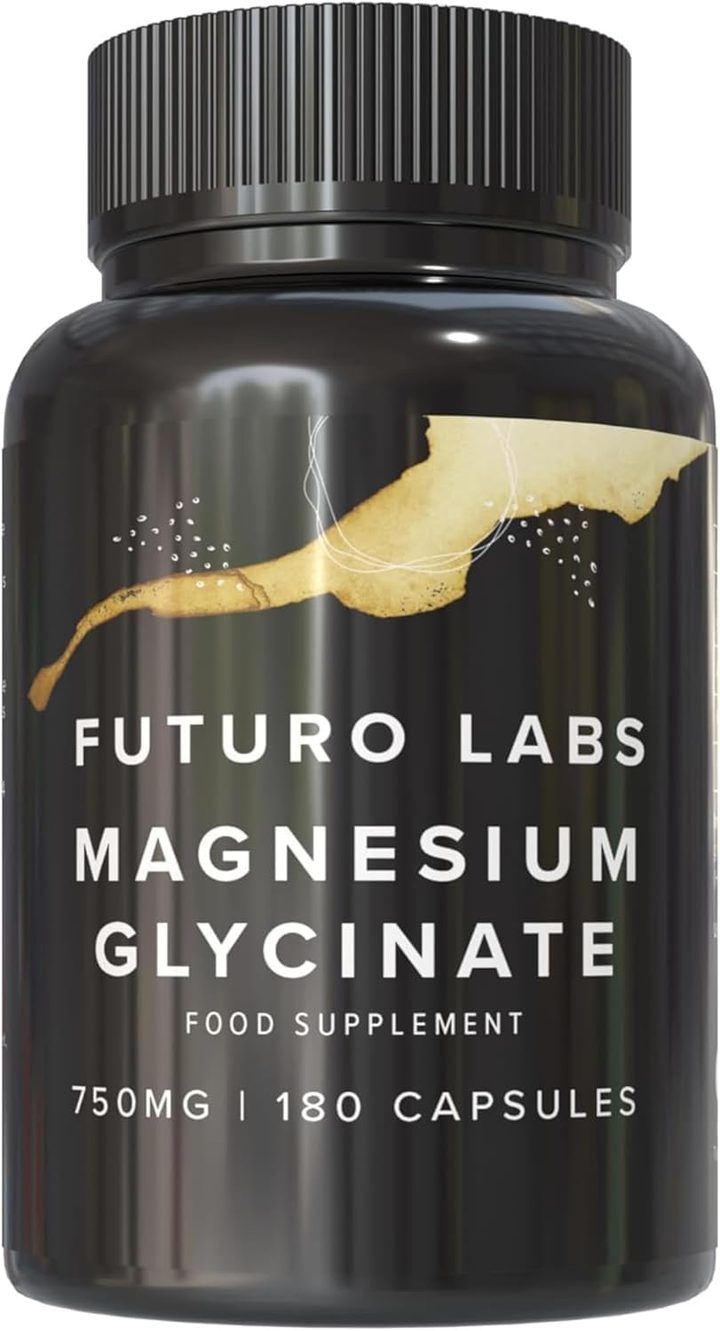
Our brand: the worked example on this page
Futuro Labs Magnesium Glycinate
- 22p a day
- 180 capsules, 2 capsules daily
- Lab tested
- Made in the UK
The magnesium half: Futuro Labs Magnesium Glycinate on Amazon UK, 300mg elemental per 2 capsules, £19.99 for 180. Label breakdown. Whether to pair them is on vitamin D and magnesium together; the night-time folklore on at night.
Scoring the slots, ingredient by ingredient
Vitamin D3 has one genuine timing requirement: it is fat-soluble and absorbs better with a meal containing fat, and beyond that it is indifferent to the hour, its effects unfolding over weeks of status. Magnesium as glycinate has one strong preference, food, for tolerance, and one free bonus, the evening, which covers the night the small sleep trials studied and rides the meal least skipped in a week. Score the day's meals against that and dinner wins on points: reliably the fattiest meal, reliably eaten, reliably the same time, and the night-coverage bonus thrown in. Breakfast scores well if it contains eggs, yoghurt, nuts or full-fat milk, and loses only the bonus; a black coffee breakfast fails D3's single requirement.
The scenarios that change the answer
Real lives do not all have a 7pm dinner, so the decision by circumstance. Shift workers: attach both to the main meal before the longest sleep, whatever the clock says, because the sleep-coverage logic follows the sleep, not the sun. Breakfast skippers and intermittent fasters: the first proper meal of the eating window, provided it carries fat, or the last one, and never a fasted dose of D3. Early trainers eating a big post-session breakfast: that meal qualifies for both, and dinner remains an equal alternative. People whose evenings are chaotic: breakfast, every day, beats dinner, some days, by a mile. The variant asking about magnesium glycinate with vitamin D3 specifically gets the same answer as any glycinate, since the form only sharpens the with-food preference.
| Situation | Best time for both | Why |
|---|---|---|
| Regular evening meal | Dinner | Fat for D3, food for magnesium, night coverage, stickiest habit |
| Reliable cooked breakfast, chaotic evenings | Breakfast | Daily beats optimal; fat is present |
| Shift work | Main meal before the longest sleep | The sleep-coverage logic follows your sleep |
| Intermittent fasting | First or last meal of the window, with fat | Never fasted D3; magnesium wants food too |
| Morning training with a big post-session meal | That meal or dinner, equally | Both qualify; pick the one you never skip |
| Multivitamin already at breakfast with 10 micrograms D | Magnesium at dinner; skip extra D | 10 micrograms counts wherever it comes from |
The doses inside the slot, and the routine
Whichever meal wins, the numbers are constant: 10 micrograms of vitamin D3 a day, the UK autumn-and-winter advice and year-round for people rarely outdoors, well under the 100 microgram adult upper level; and 300mg elemental magnesium, under the 400mg supplement guidance level, which on the worked example is 2 capsules of Futuro Labs Magnesium Glycinate, 1500mg bisglycinate at 20%, 80% NRV, vegan, UK made under GMP and BRC, panels shown, £19.99 for 180 capsules, 22p a day. Both daily, both judged over weeks, both mentioned to a pharmacist if prescriptions are in the picture and to a clinician where kidneys are. What is the best time to take vitamin D and magnesium: the meal you never miss, with dinner as the default winner, and the calendar doing the work the clock cannot.
What to check on the label
- Same meal, and dinner by default: fat, food, night coverage, habit.
- D3's one rule: with fat; magnesium's one preference: with food.
- Breakfast is a full fallback if it contains fat and evenings are unreliable.
- Shift workers follow the sleep, not the clock.
- 10 micrograms D3 and 300mg elemental magnesium, daily, judged over weeks.
Our brand
The worked example: Futuro Labs Magnesium Glycinate
Futuro Labs Magnesium Glycinate takes the magnesium seat at whichever meal wins: 300mg elemental per 2 capsules (80% NRV) from bisglycinate 20%, beside 10 micrograms of D3 with the meal's fat, 22p a day from a £19.99 bottle of 180. Vegan, UK made, panels shown.
- Elemental magnesium per serving
- 300mg (80% NRV)
- Form
- magnesium bisglycinate 20%
- Serving
- 2 capsules a day
- Bottle
- 180 capsules, 90 days
- Price
- £19.99 (22p a day)
- Capsule
- vegetarian shell, vegan product
Questions people also ask
When is the best time to take magnesium glycinate and vitamin D3?
With dinner, by default: D3 gets the meal's fat, glycinate gets food and covers the night. Breakfast with fat is a full alternative.
Should vitamin D be taken in the morning or evening?
Either, with a fatty meal. Its effect is weeks of status, not hours; the morning-versus-evening debate is folklore.
Can I take vitamin D and magnesium at different times?
Yes. The pairing helps because magnesium activates vitamin D over weeks, not because they must share a stomach.
What is the best time for shift workers to take magnesium and vitamin D?
The main meal before your longest sleep, whatever the clock says. The logic follows the sleep.
Does it matter if I take them at different times each day?
Consistency of taking them matters far more than consistency of the hour. Pick the meal you never miss.
Sources
- Futuro Labs Magnesium Glycinate listing, Amazon UK, label and price checked 31 August 2026. https://www.amazon.co.uk/dp/B0BT7Z5VQW
- Scientific Advisory Committee on Nutrition. Vitamin D and Health. 2016 (reference nutrient intake 10 micrograms a day for the UK population). https://www.gov.uk/government/publications/sacn-vitamin-d-and-health-report
- EFSA Panel on Dietetic Products, Nutrition and Allergies. Scientific Opinion on the substantiation of health claims related to vitamin D. EFSA Journal 2009;7(9):1227. https://efsa.onlinelibrary.wiley.com/doi/10.2903/j.efsa.2009.1227
- Uwitonze AM, Razzaque MS. Role of magnesium in vitamin D activation and function. Journal of the American Osteopathic Association 2018;118(3):181-189. PubMed record
- Abbasi B, et al. The effect of magnesium supplementation on primary insomnia in elderly: a double-blind placebo-controlled clinical trial. Journal of Research in Medical Sciences 2012;17(12):1161-1169. PubMed record
- Expert Group on Vitamins and Minerals. Safe Upper Levels for Vitamins and Minerals. Food Standards Agency, 2003 (magnesium guidance level 400mg a day from supplements). https://cot.food.gov.uk/sites/default/files/vitmin2003.pdf
- EFSA Panel on Dietetic Products, Nutrition and Allergies. Scientific Opinion on the substantiation of health claims related to magnesium. EFSA Journal 2010;8(10):1807. https://efsa.onlinelibrary.wiley.com/doi/10.2903/j.efsa.2010.1807