Ghost Fitness/Lion's mane/Can you take vitamin D with lion's mane?
Can you take vitamin D with lion's mane?
The short answer
Yes, and the same meal suits both: vitamin D is fat-soluble and absorbs best with a fat-containing meal, lion's mane goes with food for comfort. No interaction exists, and vitamin D is the evidenced half, holding real claims.
- The interactionnone: a fat-soluble vitamin and a fungal extract, inert together
- The shared mealvitamin D needs dietary fat for absorption; lion's mane wants food for comfort
- The evidenced halfvitamin D: authorised claims for bones, muscle and immune function
- The UK guidance10 micrograms daily in autumn and winter, for adults
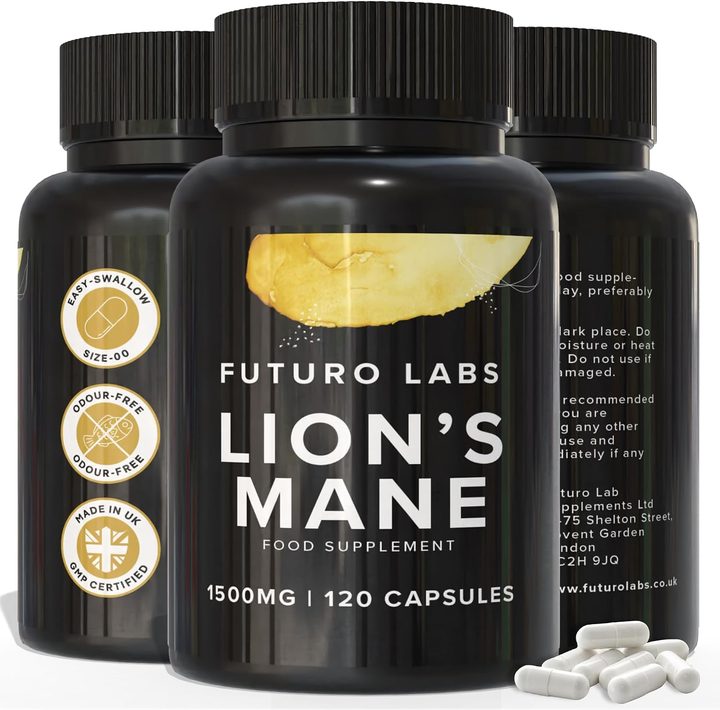
Our brand: the worked example on this page
Futuro Labs Lion's Mane
- 13p a day
- 120 capsules, 1 capsule daily
- Lab tested
- Made in the UK
The bet half of the pairing, at the same meal: Futuro Labs Lion's Mane on Amazon UK, 1 capsule with a meal, 5:1 fruiting body extract, £15.49 for 120 days at 13p. Full label breakdown. Lion's mane's own vitamin D content is on the vitamin D page; the combination menu on the combination page.
The yes, the shared meal that suits both, and why this pairing is one of the aisle's most natural
Yes, vitamin D and lion's mane can be taken together, and the pairing is one of the aisle's most natural for a reason worth teaching: both want the same meal. Vitamin D is fat-soluble, and its absorption from a supplement is measurably better when taken with a meal containing fat, the one supplement timing rule in this section with actual pharmacology behind it, so the vitamin belongs with breakfast, lunch or dinner rather than with a black coffee. Lion's mane's label directs it with a meal for comfort, the bare-capsule queasiness a minority feel, with the small lipophilic footnote that its fat-soluble fraction may absorb marginally better alongside dietary fat, plausible and unstudied, so the mushroom is content at the same meal for its own softer reasons. No interaction exists between them, a fat-soluble vitamin and a hot-water fungal extract sharing a plate with nothing to react, no absorption competition, no spacing rule, the calcium-and-iron medicine-spacing pattern belonging to other nutrients near other drugs, so the two go down together at whichever fixed meal anchors the day, the vitamin gaining its fat and the mushroom its comfort from the same eggs, the pairing costing nothing in timing complexity and requiring no second anchor.
The honest note on which half is evidenced, the mushroom-vitamin-D tie-in, and the pair filed
The honest note is the one every pairing page on this site makes, that benefits stay separate and no synergy exists, and here it comes with an asymmetry worth stating plainly: vitamin D is the evidenced half of this pair. It holds authorised UK claims, contributing to normal bones and teeth, normal muscle function, normal immune function and normal calcium absorption, sentences a label may print, and UK guidance suggests adults take 10 micrograms daily through autumn and winter when skin synthesis fails at this latitude, a recommendation with a public-health rationale behind it, so the vitamin is a supplement with claims, guidance and a reason, and lion's mane is a claim-free mushroom with two small studies, a flat-expectations bet beside a nutrient that earns its place, the pairing being a claim-holder plus a bet rather than two bets. The tie-in the vitamin D page taught belongs here as a footnote: mushrooms can make vitamin D2 when UV-exposed, but a dark-grown extract capsule carries a negligible amount unless the label declares micrograms with an NRV, so lion's mane does not supply the vitamin D half of this pair in any meaningful sense, the vitamin needing to be taken as vitamin D in declared micrograms, which is exactly what the pairing does. The pair filed: yes, together, at the same fat-containing meal that suits both, no interaction, no spacing, vitamin D the evidenced half at the UK guidance level and lion's mane the bet at 13p, the worked example directed with a meal and sitting beside the vitamin as the honest junior partner of the two.
| The item | Vitamin D | Lion's mane |
|---|---|---|
| The meal rule | With dietary fat: real absorption pharmacology | With food: comfort, plus a lipophilic footnote |
| The interaction | None | None |
| The claims | Bones, muscle, immune, calcium absorption: authorised | None: no mushroom holds a claim |
| The guidance | 10 micrograms daily, UK autumn and winter | The label's direction only |
| The evidence status | The evidenced half | The flat-expectations bet |
| Does the mushroom supply vitamin D? | Not meaningfully: declared micrograms or nothing | Negligible unless UV-exposed and declared |
The verdict, the same plate for a claim-holder and a bet
Can you take vitamin D with lion's mane: yes, and the same meal suits both, the vitamin needing dietary fat for absorption and the mushroom wanting food for comfort, with no interaction and no spacing rule between a fat-soluble vitamin and a fungal extract, and the honest note that vitamin D is the evidenced half, holding authorised claims for bones, muscle and immune function at the UK's 10 microgram autumn-and-winter guidance, while lion's mane is the claim-free bet beside it and supplies no meaningful vitamin D of its own. The junior partner, worked: Futuro Labs Lion's Mane, one capsule with a meal, 5:1 fruiting body extract, UK made, lab tested, £15.49 for 120 days at 13p a day, swallowed beside the vitamin at the same breakfast for reasons that are entirely its own.
What to check on the label
- Combine at one meal: fat for the vitamin, comfort for the mushroom.
- Confirm no interaction: nothing reacts, nothing spaces.
- Know the evidenced half: vitamin D holds the claims and the guidance.
- Take vitamin D as vitamin D: 10 micrograms, declared, autumn and winter.
- Keep the bet honest: lion's mane adds no vitamin D and no synergy.
Our brand
The worked example: Futuro Labs Lion's Mane
Futuro Labs Lion's Mane: 1 capsule daily of 5:1 fruiting body extract, labelled 1500mg mushroom equivalent (about 300mg extract), 120 capsules for £15.49, 120 days at 13p a day. Vegan HPMC shell, UK made under GMP and BRC, independently lab tested, caffeine free. Lion's mane holds no authorised UK health claims; this site describes its small studies as studies.
- Extract
- fruiting body, 5:1
- Per capsule
- 1500mg mushroom equivalent
- Serving
- 1 capsule a day
- Bottle
- 120 capsules, 120 days
- Price
- £15.49 (13p a day)
- Capsule
- HPMC vegan shell, size 00
Questions people also ask
Is it safe to take vitamin D and lion's mane together?
Yes: a fat-soluble vitamin and a hot-water fungal extract share a meal with nothing to react, no absorption competition and no spacing rule between them.
Should I take them at the same time?
Yes, at a fat-containing meal: vitamin D absorbs measurably better with dietary fat, and lion's mane's label directs it with food for comfort, so one breakfast anchors both.
Which of the two actually has evidence?
Vitamin D: authorised claims for normal bones, muscle function, immune function and calcium absorption, and UK guidance of 10 micrograms daily in autumn and winter, against lion's mane's claim-free two-study file.
Does lion's mane give me any vitamin D?
Not meaningfully: mushrooms make vitamin D2 only when UV-exposed, and a dark-grown extract capsule carries a negligible amount unless the label declares micrograms with an NRV.
Do vitamin D and lion's mane boost each other?
No: benefits stay separate and no synergy exists, the pairing being a claim-holder beside a flat-expectations bet, each doing its own documented or undocumented job at the same plate.
Sources
- The vitamin D absorption literature: vitamin D is fat-soluble and its absorption from supplements is improved when taken with a meal containing fat. PubMed record
- The GB claims register, vitamin D entries: vitamin D contributes to normal bones, teeth, muscle function, immune function and calcium absorption, with UK guidance suggesting 10 micrograms daily in autumn and winter. https://www.gov.uk/government/publications/great-britain-nutrition-and-health-claims-nhc-register
- The mushroom vitamin D literature: mushrooms exposed to UV light generate meaningful vitamin D2, the one nutrient route by which a mushroom product can carry authorised vitamin D claims. PubMed record
- The medicinal mushroom labelling discussion: fruiting body versus mycelium-on-grain, extract ratios and beta-glucan content as the label facts that separate concentrated extracts from diluted powders. PubMed record