Ghost Fitness/Lion's mane/Can you take vitamin D and Lion's Mane together?
Can you take vitamin D and Lion's Mane together?
The short answer
Yes, and they share a season: vitamin D is the UK's autumn-and-winter default at 10 micrograms, and those six months cover lion's mane's sixteen-week review. Same fat-containing meal, no interaction.
- The seasonOctober to March: the UK's vitamin D guidance window
- The overlaptwenty-four weeks of winter cover a sixteen-week lion's mane review
- The mealone fat-containing breakfast suits both
- The dose note10 micrograms of vitamin D daily; the adult upper level is 100
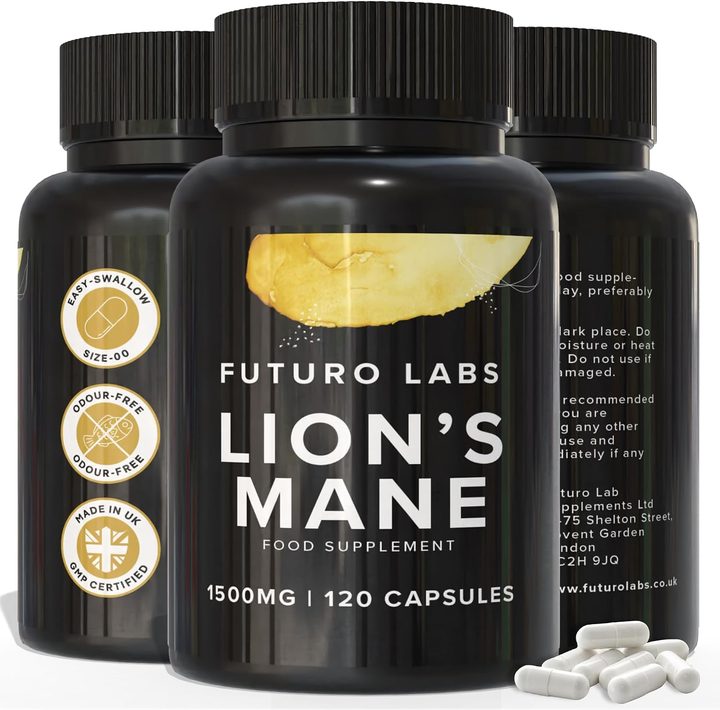
Our brand: the worked example on this page
Futuro Labs Lion's Mane
- 13p a day
- 120 capsules, 1 capsule daily
- Lab tested
- Made in the UK
The winter stack's bet half: Futuro Labs Lion's Mane on Amazon UK, 1 capsule with breakfast for sixteen weeks, 5:1 fruiting body extract, £15.49 for 120 days at 13p. Full label breakdown. The shared-meal pairing is on the vitamin D page; the mushroom's own vitamin D content on the contains page.
The yes, and the season the two products share, because a winter stack runs both on one calendar
Yes, vitamin D and lion's mane can be taken together, the previous pairing page having settled the pharmacology, no interaction between a fat-soluble vitamin and a fungal extract, the same fat-containing meal suiting both, and this page adds the calendar, because the two products share a season in a way that makes a winter stack the natural way to run them. Vitamin D is the UK's seasonal default: guidance suggests adults take 10 micrograms daily through autumn and winter, roughly October to March, when the sun sits too low at this latitude for skin to synthesise the vitamin, the one supplement most readers here should be taking for a public-health reason during those months, at a fat-containing meal for absorption, with authorised claims for normal bones, muscle function and immune function printed lawfully on any honest bottle. Lion's mane's honest clock is sixteen weeks, the length of the only long human trial, run continuously at one capsule a day with no cycling before any judgement, and sixteen weeks fits inside the six-month vitamin D window with room to spare, so a reader starting both at the autumn clocks-change runs the vitamin for its guidance and the mushroom for its review on one calendar, at one breakfast, with the review point for the mushroom arriving in late January and the vitamin continuing to March. The winter stack costs almost nothing in complexity, one meal, one anchor, two capsules, and the calendar does the scheduling that the timing pages spend so many words retiring.
The dose note the vitamin needs and the mushroom does not, the evidence asymmetry restated, and the stack filed by season
The dose note belongs to the vitamin, because vitamin D is the one half of this stack with a number that matters in both directions: 10 micrograms daily is the guidance for adults in autumn and winter, a modest dose most bottles deliver in one capsule, and the adult tolerable upper intake level is 100 micrograms a day, higher intakes belonging only to a blood test and medical supervision, the high-dose vitamin D fashion on some shelves being a thing to walk past rather than a winter upgrade, whereas lion's mane's dose is the label's direction with no established figure above or below it, more being spend rather than strategy, so the winter stack is one carefully dosed vitamin and one label-dosed bet. The evidence asymmetry restates itself because it decides which half earns its place: vitamin D holds authorised claims and a guidance recommendation, the evidenced half whose winter run needs no justification beyond the calendar, and lion's mane holds two small studies and no claim, the flat-expectations half whose sixteen weeks are a research bet reviewed on its own diary, the mushroom supplying no meaningful vitamin D of its own, dark-grown extract carrying negligible D2, and the two adding nothing to each other, benefits separate, no synergy. The stack filed by season: from the autumn clocks-change, 10 micrograms of vitamin D and one lion's mane capsule at a fat-containing breakfast, the vitamin for the guidance through March and the mushroom for a sixteen-week review that lands in late winter, no interaction, one anchor, the worked example being the bet half at 13p, present at the same breakfast as the vitamin that actually has a reason to be there.
| The item | Vitamin D | Lion's mane |
|---|---|---|
| The season | October to March: UK guidance window | Any sixteen weeks: the review clock |
| The reason | Skin synthesis fails at this latitude | A flat-expectations research bet |
| The dose | 10 micrograms daily; adult upper level 100 | The label's capsule; nothing established |
| The meal | Fat-containing, for absorption | The same meal, for comfort |
| The claims | Bones, muscle, immune, calcium absorption | None |
| The review | Continues to March | Week sixteen, on your own diary |
The verdict, together for a winter
Can you take vitamin D and lion's mane together: yes, and they share a season, vitamin D being the UK's autumn-and-winter default at 10 micrograms daily for the public-health reason that skin synthesis fails from October to March, and those six months covering lion's mane's sixteen-week review with room to spare, the two taken at one fat-containing breakfast with no interaction, the vitamin the evidenced half with authorised claims and an upper level to respect, the mushroom the bet half with a label dose and a diary. The bet half, worked: Futuro Labs Lion's Mane, one capsule with breakfast for sixteen weeks, 5:1 fruiting body extract, UK made, lab tested, £15.49 for 120 days at 13p a day, started at the clocks-change beside the vitamin and reviewed before it stops.
What to check on the label
- Run them on one calendar: the vitamin D window covers the mushroom's review.
- Share one fat-containing breakfast: absorption for one, comfort for the other.
- Dose the vitamin carefully: 10 micrograms; the upper level is 100.
- Dose the mushroom by label: nothing established above or below.
- Know which half is evidenced: the vitamin; the mushroom is the bet.
Our brand
The worked example: Futuro Labs Lion's Mane
Futuro Labs Lion's Mane: 1 capsule daily of 5:1 fruiting body extract, labelled 1500mg mushroom equivalent (about 300mg extract), 120 capsules for £15.49, 120 days at 13p a day. Vegan HPMC shell, UK made under GMP and BRC, independently lab tested, caffeine free. Lion's mane holds no authorised UK health claims; this site describes its small studies as studies.
- Extract
- fruiting body, 5:1
- Per capsule
- 1500mg mushroom equivalent
- Serving
- 1 capsule a day
- Bottle
- 120 capsules, 120 days
- Price
- £15.49 (13p a day)
- Capsule
- HPMC vegan shell, size 00
Questions people also ask
Is it safe to take vitamin D and lion's mane at the same time?
Yes: a fat-soluble vitamin and a fungal extract share a meal with nothing to react, no absorption competition and no spacing rule, so one fat-containing breakfast suits both.
When in the year should I take them together?
Autumn and winter: UK guidance suggests 10 micrograms of vitamin D daily from roughly October to March, and those six months cover a sixteen-week lion's mane review with room to spare.
How much vitamin D should I take with lion's mane?
10 micrograms daily in autumn and winter for adults, with the tolerable upper level of 100 micrograms reserved for blood-tested medical supervision, the high-dose fashion being something to walk past.
Does lion's mane provide any vitamin D itself?
Not meaningfully: mushrooms make vitamin D2 only when UV-exposed, and a dark-grown extract capsule carries a negligible amount, so the vitamin is taken as vitamin D in declared micrograms.
Which of the two actually earns its place in winter?
Vitamin D: authorised claims and a guidance recommendation make it the evidenced half, while lion's mane is a flat-expectations bet reviewed on your own diary at sixteen weeks.
Sources
- The GB claims register, vitamin D entries: vitamin D contributes to normal bones, teeth, muscle function, immune function and calcium absorption, with UK guidance suggesting 10 micrograms daily in autumn and winter. https://www.gov.uk/government/publications/great-britain-nutrition-and-health-claims-nhc-register
- The vitamin D safety literature: the adult tolerable upper intake level for vitamin D is 100 micrograms a day, with higher intakes only under testing and medical supervision. PubMed record
- The vitamin D absorption literature: vitamin D is fat-soluble and its absorption from supplements is improved when taken with a meal containing fat. PubMed record
- Mori K, Inatomi S, Ouchi K, Azumi Y, Tuchida T. Improving effects of the mushroom Yamabushitake (Hericium erinaceus) on mild cognitive impairment: a double-blind placebo-controlled clinical trial. Phytotherapy Research 2009;23(3):367-372. PubMed record