Ghost Fitness/Lion's mane/Can you take lion's mane with coffee?
Can you take lion's mane with coffee?
The short answer
Yes, three ways: swallow the capsule with the cup, open it into the cup, or stir powder in after slurrying it in a splash of cold liquid to stop clumping. Heat harms nothing known; the coffee does the acute work.
- Way oneswallow the capsule with the coffee: the simplest anchor
- Way twoopen the capsule into the cup: an earthy note, nothing lost
- Way threestir powder in, after a cold slurry to prevent clumping
- The heat questionnothing known is harmed; hot water made the extract in the first place
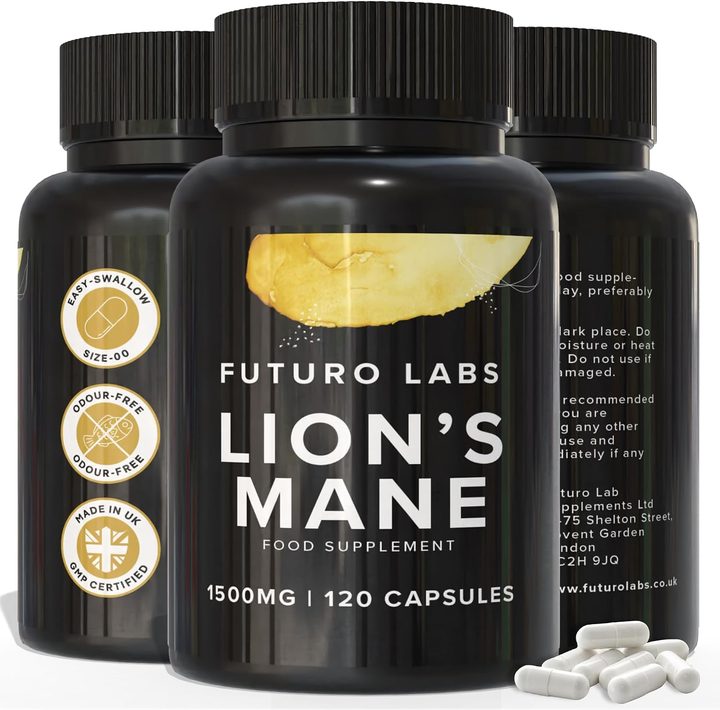
Our brand: the worked example on this page
Futuro Labs Lion's Mane
- 13p a day
- 120 capsules, 1 capsule daily
- Lab tested
- Made in the UK
The capsule beside the cup, or in it: Futuro Labs Lion's Mane on Amazon UK, 1 capsule of 5:1 fruiting body extract, caffeine free, £15.49 for 120 days at 13p. Full label breakdown. The cup arithmetic is on the coffee page; the drink-versus-capsule reframe on the coffee-versus page.
The three ways, each with its mechanics, because yes is the easy half and how is the useful one
Yes, lion's mane can be taken with coffee, no interaction existing between a caffeine-free fungal extract and a caffeinated drink, and the useful half of the answer is the mechanics, because there are three ways and each has a knack. Way one, the capsule swallowed with the coffee: the simplest and the section's default, the first coffee being the anchor most people already own and never miss, the capsule going down with a mouthful of the cup like any pill, the shell dissolving in the stomach, the coffee's heat never meeting the extract, and the whole operation adding nothing to the morning but presence. Way two, the capsule opened into the cup: pull the HPMC halves apart, tip the roughly 300mg of extract into the coffee and stir, the earthy, faintly bitter note of the extract sitting easily inside coffee's own bitterness, most drinkers not noticing it in a strong cup and some preferring the ritual of a stirred dose to a swallowed one, nothing lost by the transfer since the shell was only ever a container. Way three, powder stirred in: the loose-extract reader's method, and the one with the knack, because mushroom extract is hygroscopic and clumps on contact with hot liquid, floating in islands that refuse the spoon, so the fix is the slurry, the label's stated serving weighed on a scale into the cup first, a splash of cold water or milk stirred through it to make a smooth paste, and only then the hot coffee poured over, the paste dispersing evenly where dry powder would have clumped, the technique every cocoa drinker already knows applied to a fungus.
The heat question answered honestly, what the coffee does that the mushroom cannot, and the pairing filed
The heat question deserves a straight answer because the forum threads worry about it: nothing known is harmed by putting lion's mane extract into hot coffee, the extract having been made by simmering the mushroom in hot water for hours in the first place, its beta-glucans surviving that process comfortably and coffee's temperature being no hotter than the extraction that produced them, with the lipophilic compounds not established to degrade at cup temperatures either, and the honest boundary being that nobody has studied brew-temperature effects on these compounds specifically and this site invents no chemistry in either direction, the practical answer staying that a hot cup is fine and the capsule-swallowed route avoids the question entirely for anyone who prefers not to think about it. What the coffee does that the mushroom cannot is the pairing's real content: the caffeine produces the acute alertness the mushroom cannot, decades of attention-task trials behind it against the mushroom's one pilot task, and the cup provides the taste and the ritual a capsule does not attempt, so the pairing is a drink doing three jobs beside a capsule doing one separate slow claim-free one, the two-ingredient recipe the coffee page reached from the sachet side, your own coffee plus a stated 13p capsule beating every mushroom-coffee product on disclosure and pence. The pairing filed: yes, take lion's mane with coffee, swallowed, opened or slurried in, at the coffee's own hour as the anchor, with heat harming nothing known, no interaction, no synergy, the coffee doing the acute work and the capsule riding beside it, the worked example being caffeine free and therefore adding nothing to the cup's stimulant and asking nothing of its temperature.
| The way | The mechanics | The note |
|---|---|---|
| Capsule swallowed with the cup | Like any pill, with a mouthful of coffee | The default anchor; heat never meets the extract |
| Capsule opened into the cup | Pull the shell apart, tip in, stir | An earthy note inside coffee's bitterness; nothing lost |
| Powder stirred in | Weigh, cold slurry first, then pour the coffee | The clumping fix: paste before heat |
| The heat | Hot water made the extract | Nothing known harmed; nothing invented either way |
| The interaction | None | Caffeine free extract, caffeinated drink |
| Who does what | Coffee: alertness, taste, ritual | Capsule: a separate slow claim-free bet |
The verdict, three ways into one cup
Can you take lion's mane with coffee: yes, three ways, the capsule swallowed with the cup as the default anchor, the capsule opened into the cup for the stirred ritual, or the powder slurried in cold liquid first to stop it clumping and then topped with the coffee, heat harming nothing known since hot water made the extract, no interaction existing, and the coffee doing the acute alertness, taste and ritual work that the caffeine-free capsule cannot and never claims. The capsule beside the cup or in it: Futuro Labs Lion's Mane, one capsule of 5:1 fruiting body extract, caffeine free, UK made, lab tested, £15.49 for 120 days at 13p a day, the second ingredient of a recipe whose first was already in the kitchen.
What to check on the label
- Swallow it with the cup: the default anchor.
- Or open it into the cup: an earthy note, nothing lost.
- Slurry powder cold first: paste, then pour, no clumps.
- Stop worrying about heat: hot water made the extract.
- Credit the coffee: alertness, taste and ritual are its.
Our brand
The worked example: Futuro Labs Lion's Mane
Futuro Labs Lion's Mane: 1 capsule daily of 5:1 fruiting body extract, labelled 1500mg mushroom equivalent (about 300mg extract), 120 capsules for £15.49, 120 days at 13p a day. Vegan HPMC shell, UK made under GMP and BRC, independently lab tested, caffeine free. Lion's mane holds no authorised UK health claims; this site describes its small studies as studies.
- Extract
- fruiting body, 5:1
- Per capsule
- 1500mg mushroom equivalent
- Serving
- 1 capsule a day
- Bottle
- 120 capsules, 120 days
- Price
- £15.49 (13p a day)
- Capsule
- HPMC vegan shell, size 00
Questions people also ask
Does coffee affect lion's mane?
No: no interaction exists between a caffeine-free fungal extract and a caffeinated drink, and the coffee's heat harms nothing known, hot water having made the extract in the first place.
Can I open a lion's mane capsule into my coffee?
Yes: pull the HPMC halves apart, tip the extract in and stir, its earthy note sitting inside coffee's bitterness with nothing lost, the shell having been only a container.
Why does lion's mane powder clump in coffee?
It is hygroscopic and seizes on hot liquid: weigh the serving into the cup, stir a splash of cold water or milk through it into a smooth paste first, then pour the coffee over, the cocoa drinker's slurry.
Does lion's mane make coffee work better?
No: no synergy exists, the coffee's caffeine produces the acute alertness on decades of trials, and the capsule rides beside it running its own separate claim-free bet.
Is lion's mane coffee better than a capsule with coffee?
No: mushroom coffees carry small, often unstated doses at fifty pence to a pound a serving, while your own coffee plus a stated 13p capsule delivers more declared extract for less, the two-ingredient recipe.
Sources
- The caffeine and attention literature: meta-analyses and decades of trials report improved reaction time, vigilance and attention after ordinary caffeine doses. PubMed record
- The caffeine biosynthesis literature: caffeine is a purine alkaloid synthesised by a limited set of plants including coffee, tea, cacao, guarana and yerba mate, and is not produced by fungi. PubMed record
- The medicinal mushroom labelling discussion: fruiting body versus mycelium-on-grain, extract ratios and beta-glucan content as the label facts that separate concentrated extracts from diluted powders. PubMed record
- The habit formation literature: anchoring a new behaviour to an existing daily routine is the best-documented adherence strategy, with consistency outperforming timing choices. PubMed record