Ghost Fitness/Lion's mane/How to know if lion's mane is good quality?
How to know if lion's mane is good quality?
The short answer
Rank the signals: label completeness you can read, certificates the paperwork proves, glucan and metals assays a lab confirms, and the noise tier, taste, colour, reviews, price and story, verifying nothing. Quality is what survives the pyramid.
- Tier one, readablelabel completeness: tissue, ratio, maths, filler, address
- Tier two, provablecertificates: per-batch metals, micro, on request
- Tier three, lab-gradeglucan assays corroborating tissue; identity testing
- Tier zero, the noisetaste, colour, reviews, price, brand story: nothing
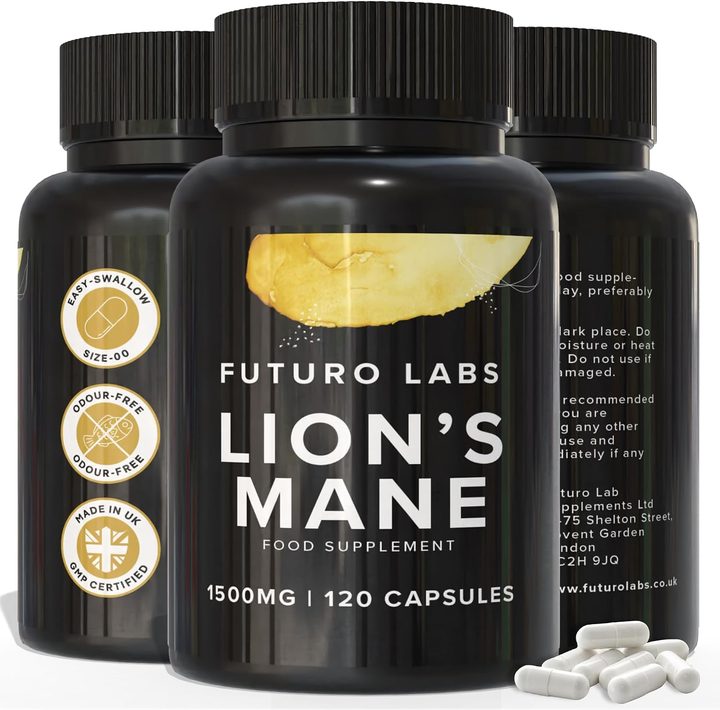
Our brand: the worked example on this page
Futuro Labs Lion's Mane
- 13p a day
- 120 capsules, 1 capsule daily
- Lab tested
- Made in the UK
A tub whose signals stack: Futuro Labs Lion's Mane on Amazon UK, tier-one complete on the panel, testing stated for tier two, £15.49 for 120 days at 13p. Full label breakdown. The ten-point inspection is on the buying page; the certificate anatomy on the testing page.
The pyramid built from the base: the readable tier, the provable tier, and the lab tier above them
Quality is a word every tub claims, so replace the word with a pyramid of signals ranked by how much verifying each actually does. Tier one, the readable signals, the base because anyone can check them in a shop or on a listing in two minutes: label completeness, meaning fruiting body printed as the tissue, an extract ratio stated with its mushroom-equivalent maths, the bulking agent named, the shell material identified, a UK business address present, a batch number and best-before marked, and, the negative signal that outranks the rest, no cognition claim anywhere, the inspection page's ejection rule, a complete label being the single strongest cheap signal in the aisle because completeness is a habit, brands thorough where you can see it tending thorough where you cannot. Tier two, the provable signals, the paperwork layer: certificates that exist when asked for, per-batch heavy metals and microbiology from a named independent lab, the testing page's four questions answered, which lab, which batch, which analytes, where is the certificate, this tier converting tier one's statements into evidence, and a brand's response speed to the request being itself a tier-two signal. Tier three, the lab-grade signals, the peak because only analysis reaches it: the glucan assay, high beta-glucans with low alpha-glucans corroborating the fruiting-body story against the grain-starch tell, and formal identity testing confirming the species, signals most buyers will never commission personally and should expect serious brands to have commissioned for them, published or produced on request.
The noise floor named honestly, the two-minute and ten-minute verdicts, and the pyramid applied
Beneath the pyramid sits the noise floor, and naming it is half this page's value because it is where quality-hunting instinct usually digs: taste and smell, the earthy bitterness folklore treats as a potency meter, vary with extraction method, batch and carrier and verify nothing, a bitter dud and a mild genuine extract both existing comfortably; colour, ranging cream to tan across perfectly legitimate extracts, verifies nothing; reviews, the epistemology pages' standing verdict, verify parcels and never contents; price, cheapness suspicious and premium unjustified in both directions until the tiers above explain it, verifies nothing alone; and brand story, the foraging photography, the founder's mountain, the ancient-wisdom register, is the noise floor's penthouse, purchasable by any copywriter and correlating with nothing above it, which is why the pyramid's operating rule is absolute, no noise-floor signal ever substitutes for a tier, and a tub strong on story and silent on ratio has told you its priorities. Applied, the pyramid gives two verdicts sized to the buyer's minutes: the two-minute verdict is tier one alone, the complete-label check with the ejection rule, sufficient for most purchases most days; the ten-minute verdict adds tier two, the certificate request sent and the response graded; and the standing example demonstrates the stack as ever, tier one complete on the panel, fruiting body, 5:1 with the maths, filler, shell, address, batch, no claims, tier two stated as independent testing under UK GMP and BRC with the request permanently open, tier three's glucan figure unpublished and honestly unclaimed, at 13p, quality on this page meaning exactly what survived the climb.
| The tier | The signals | What they verify |
|---|---|---|
| Three: lab-grade | Glucan assay, identity testing | Tissue corroborated; species confirmed |
| Two: provable | Per-batch certificates, named lab, prompt response | Statements converted into evidence |
| One: readable | Complete label: tissue, ratio, maths, filler, address, batch, no claims | The strongest cheap signal: thoroughness is a habit |
| Zero: the noise | Taste, smell, colour, reviews, price, story | Nothing: never a substitute for a tier |
| The two-minute check | Tier one with the ejection rule | Most purchases, most days |
| The ten-minute check | Add the certificate request | The response is itself a signal |
The verdict, ranked and climbed
How to know if lion's mane is good quality: climb the signal pyramid, tier one's complete label readable by anyone in two minutes, tier two's certificates converting statements into evidence on request, tier three's glucan and identity assays corroborating what labels claim, all over a noise floor, taste, colour, reviews, price and story, that verifies nothing and substitutes for nothing. The worked example, climbed in public: Futuro Labs Lion's Mane, tier one complete, fruiting body, 5:1 with the maths, filler and shell named, address and batch marked, no claims, tier two stated with the request open, no tier-three figure invented where none is published, £15.49 for 120 days at 13p a day, quality meaning, here as everywhere, what survived the pyramid.
What to check on the label
- Rank signals before trusting them: readable, provable, lab-grade.
- Treat completeness as the base: thoroughness is a habit.
- Convert statements to evidence: request the certificates.
- Name the noise floor: taste, colour, reviews, price, story.
- Never let noise substitute: story-rich, ratio-silent tubs told you.
Our brand
The worked example: Futuro Labs Lion's Mane
Futuro Labs Lion's Mane: 1 capsule daily of 5:1 fruiting body extract, labelled 1500mg mushroom equivalent (about 300mg extract), 120 capsules for £15.49, 120 days at 13p a day. Vegan HPMC shell, UK made under GMP and BRC, independently lab tested, caffeine free. Lion's mane holds no authorised UK health claims; this site describes its small studies as studies.
- Extract
- fruiting body, 5:1
- Per capsule
- 1500mg mushroom equivalent
- Serving
- 1 capsule a day
- Bottle
- 120 capsules, 120 days
- Price
- £15.49 (13p a day)
- Capsule
- HPMC vegan shell, size 00
Questions people also ask
Can I judge lion's mane quality by taste or bitterness?
No: bitterness varies with extraction, batch and carrier, and both bitter duds and mild genuine extracts exist, taste sitting on the noise floor with colour and smell, verifying nothing.
What is the strongest quick quality signal?
Label completeness: tissue, ratio with maths, filler, shell, address, batch and zero claims, checkable in two minutes, because brands thorough where visible tend thorough where not.
What paperwork turns claims into evidence?
Tier two: per-batch heavy-metals and microbiology certificates from a named independent lab, produced promptly on request, with the response speed itself a signal.
What can only a lab actually verify?
Tier three: the glucan split corroborating fruiting body against grain starch, and formal identity testing confirming the species, assays serious brands commission so buyers needn't.
Does a premium price indicate premium quality?
Not alone: price sits on the noise floor in both directions, cheapness suspicious and premiums unjustified until the tiers above explain them.
Sources
- The mushroom polysaccharide analysis literature: beta-glucan content marks fungal material while high alpha-glucan readings indicate grain starch, the analytical distinction between fruiting body extracts and mycelium-on-grain powders. PubMed record
- The mushroom bioaccumulation literature: fungi concentrate heavy metals including lead, cadmium and mercury from their growing substrate, making per-batch metals testing the central purity check for mushroom supplements. PubMed record
- The medicinal mushroom labelling discussion: fruiting body versus mycelium-on-grain, extract ratios and beta-glucan content as the label facts that separate concentrated extracts from diluted powders. PubMed record
- EFSA Panel on Dietetic Products, Nutrition and Allergies. Scientific Opinion on the substantiation of health claims related to magnesium. EFSA Journal 2010;8(10):1807. https://efsa.onlinelibrary.wiley.com/doi/10.2903/j.efsa.2010.1807