Ghost Fitness/Lion's mane/What is the best quality lion's mane supplement?
What is the best quality lion's mane supplement?
The short answer
Price it from the supply chain up: five kilos of fruiting body per kilo of 5:1 extract, per-batch testing and GMP overhead set a floor genuine products cannot sit under, while matching specs above roughly £25 is brand tax.
- The raw-material linea 5:1 consumes five kilos of mushroom per kilo of extract
- The fixed costsper-batch testing, GMP facility, UK labelling and address
- The floor logictoo cheap to be true is an arithmetic claim, checkable
- The ceiling logicsame spec above ~£25 per bottle: the brand tax line
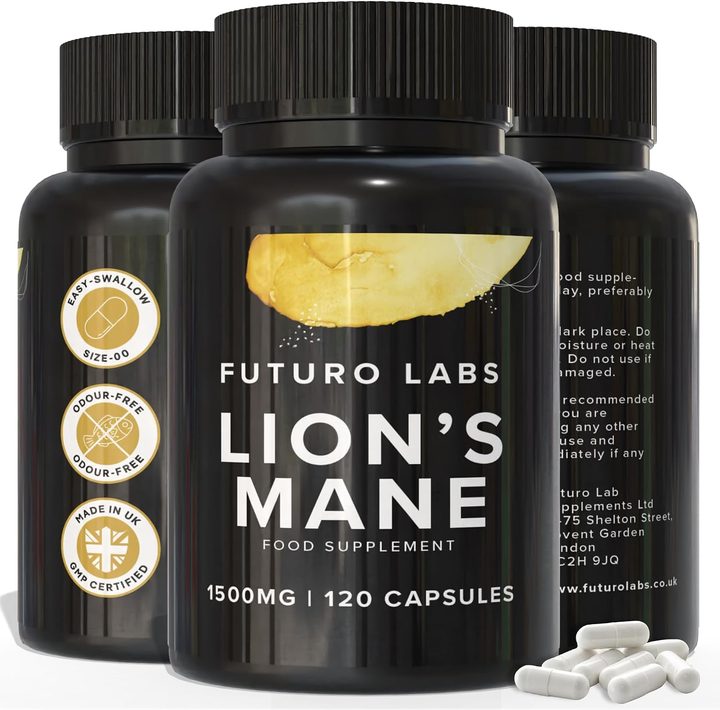
Our brand: the worked example on this page
Futuro Labs Lion's Mane
- 13p a day
- 120 capsules, 1 capsule daily
- Lab tested
- Made in the UK
A spec priced inside the honest band: Futuro Labs Lion's Mane on Amazon UK, 5:1 fruiting body extract, per-batch context and UK GMP and BRC manufacture, £15.49 for 120 days at 13p. Full label breakdown. The signal pyramid lives on the quality page; the ten-point inspection on the buying page.
The bill of materials walked line by line, because quality has a supply chain before it has a label
Quality pages usually inspect the label; this one prices what stands behind it, because a genuine product's costs are legible and the arithmetic protects buyers at both ends of the shelf. Line one, the raw material, the biggest line: a 5:1 extract consumes five kilos of mushroom per kilo of finished extract by definition, and fruiting body costs more than mycelium-on-grain to produce, real mushrooms grown to maturity, harvested and dried versus grain bags run fast, so a stated fruiting-body 5:1 starts with a raw-material bill a grain product simply does not carry, the first reason the two products should not price alike. Line two, extraction: industrial hot-water processing, energy, time and yield loss, the step the ratio reports and the step plain ground powder skips entirely, the second structural cost gap. Line three, the paperwork: per-batch heavy-metals and microbiology testing at an independent lab is a fixed cost per production run, GMP and BRC facility standards are overhead paid before a single capsule fills, and UK-compliant labelling, the address, the batch coding, the responsible business behind them, all cost what informal imports save by omitting. Line four, the ordinary rest: capsules, bottles, fulfilment, the marketplace's cut, lines every product shares and none escapes. Summed honestly, those lines put a floor under genuine product, and the floor is the page's first tool: a stated 5:1 fruiting-body extract, batch-tested, UK-made and properly labelled, cannot retail at pocket-change prices without one of those lines being fictional, which converts too cheap to be true from a proverb into an audit, the six-pound 120-count bottle inviting the question of which line it deleted, and the panel's silences usually answering.
The floor and ceiling applied to the shelf, and quality priced as the band between them
Apply the anatomy and the shelf sorts into three zones. Below the floor: listings whose price cannot cover the bill of materials they claim, and the resolution is almost always in the claims rather than the miracle, the tissue unstated and probably grain, the ratio absent and probably 1:1, the testing a flash with no certificate, the deletion hiding in whichever line the label declines to describe, so the buyer's move is not outrage but the inspection page's routine, run the ten points and watch the arithmetic explain itself. Above the ceiling: products matching the standard spec, stated fruiting body, stated 5:1-to-10:1, per-batch testing, honest labelling, at prices past roughly twenty-five pounds a bottle, where the extra spend buys photography, founder narratives and adaptogen vocabulary rather than any line on the bill, the brand-tax zone, legitimate to pay for aesthetics and never for quality, since the spec already peaked at the band. Between them runs the honest band, where the market's genuine products cluster, roughly ten-to-twenty-five pounds for 60-to-120-day bottles, ten-to-twenty-five pence a day, the zone where the bill of materials, a UK business's margins and marketplace economics all fit without fiction, and inside which the four tests and the signal pyramid, not price, rank the candidates, the worked example demonstrating the band's arithmetic in public, fruiting body and 5:1 stated, testing and GMP-and-BRC manufacture declared, £15.49 across 120 days landing at 13p, a price the bill of materials explains line by line, which is the whole definition this page offers: the best quality lion's mane is a stated spec whose price its own supply chain can account for, sitting above the floor the fictions live under and below the ceiling the stories live over.
| The zone | The tell | The buyer's move |
|---|---|---|
| Below the floor | Prices the bill of materials cannot cover | Find the deleted line: tissue, ratio or testing |
| The raw-material line | Five kilos of fruiting body per kilo of 5:1 | Grain products should not price like mushroom ones |
| The paperwork lines | Per-batch testing, GMP, UK labelling | Fixed costs informality omits |
| The honest band | £10-25 bottles, 10-25p a day | Rank by tests and pyramid, not price |
| Above the ceiling | Matching spec past ~£25 | Brand tax: aesthetics, never quality |
| The definition | A price the supply chain explains | Quality is accountable arithmetic |
The verdict, priced from the ground up
The best quality lion's mane supplement: one whose stated spec its own supply chain can account for, the bill of materials, five kilos of fruiting body per kilo of 5:1, extraction, per-batch testing, GMP overhead and honest labelling, setting a floor the fictions live under, the roughly £25 ceiling marking where matching spec becomes brand tax, and the honest band between them ranked by the four tests and the signal pyramid rather than by price in either direction. The band's demonstration: Futuro Labs Lion's Mane, 5:1 fruiting body extract stated with its maths, independently tested, UK made under GMP and BRC, £15.49 for 120 days at 13p a day, a price its own bill of materials explains, which is what quality means once the arithmetic is allowed to speak.
What to check on the label
- Price from the supply chain up: quality has a bill of materials.
- Audit below the floor: too cheap means a line was deleted.
- Name the ceiling: matching spec past ~£25 is brand tax.
- Shop the honest band: 10-25p a day, ranked by tests.
- Demand accountable arithmetic: the label should explain the price.
Our brand
The worked example: Futuro Labs Lion's Mane
Futuro Labs Lion's Mane: 1 capsule daily of 5:1 fruiting body extract, labelled 1500mg mushroom equivalent (about 300mg extract), 120 capsules for £15.49, 120 days at 13p a day. Vegan HPMC shell, UK made under GMP and BRC, independently lab tested, caffeine free. Lion's mane holds no authorised UK health claims; this site describes its small studies as studies.
- Extract
- fruiting body, 5:1
- Per capsule
- 1500mg mushroom equivalent
- Serving
- 1 capsule a day
- Bottle
- 120 capsules, 120 days
- Price
- £15.49 (13p a day)
- Capsule
- HPMC vegan shell, size 00
Questions people also ask
Why can't genuine lion's mane be really cheap?
The bill of materials: five kilos of fruiting body per kilo of 5:1 extract, industrial extraction, per-batch testing and GMP overhead set a floor, and prices under it are funded by deleting a line, usually the tissue, ratio or testing.
Does paying more get better lion's mane?
Only up to the band's ceiling: past roughly £25 for the standard stated spec, extra spend buys photography and narrative rather than any line on the bill, the brand-tax zone.
What does a fair price per day look like?
The honest band: roughly ten to twenty-five pence a day from £10-25 bottles, inside which the four tests and the signal pyramid, not price, rank the candidates.
How is fruiting body costlier than mycelium?
Real mushrooms grown to maturity, harvested and dried cost more than grain bags run fast, and the 5:1 concentration multiplies that raw-material gap before extraction and testing add theirs.
Is the worked example priced fairly by its own logic?
It demonstrates the band: stated 5:1 fruiting body, testing and UK GMP-and-BRC manufacture, £15.49 over 120 days at 13p, a price the bill of materials accounts for line by line.
Sources
- The mushroom bioaccumulation literature: fungi concentrate heavy metals including lead, cadmium and mercury from their growing substrate, making per-batch metals testing the central purity check for mushroom supplements. PubMed record
- The medicinal mushroom labelling discussion: fruiting body versus mycelium-on-grain, extract ratios and beta-glucan content as the label facts that separate concentrated extracts from diluted powders. PubMed record
- The mushroom polysaccharide analysis literature: beta-glucan content marks fungal material while high alpha-glucan readings indicate grain starch, the analytical distinction between fruiting body extracts and mycelium-on-grain powders. PubMed record
- Retained Regulation (EC) No 1924/2006 on nutrition and health claims made on foods, and the Great Britain nutrition and health claims register. https://www.gov.uk/government/publications/great-britain-nutrition-and-health-claims-nhc-register