Ghost Fitness/Guides/What is a certificate of analysis for a supplement?
What is a certificate of analysis for a supplement?
The short answer
A laboratory's report on one batch: the lab named, the product and batch identified, each analyte with its result, unit and limit, and a date. No batch, no lab or typical values instead of results means it is not one.
- The headerthe laboratory's name and accreditation, the product, the batch or lot, the date of analysis
- The tableanalyte, method, result, unit, specification or limit, pass or fail
- The sign-offan authorising signature or an electronic release
- The red flagsno batch, no lab, typical values, undated, a brand's own letterhead only
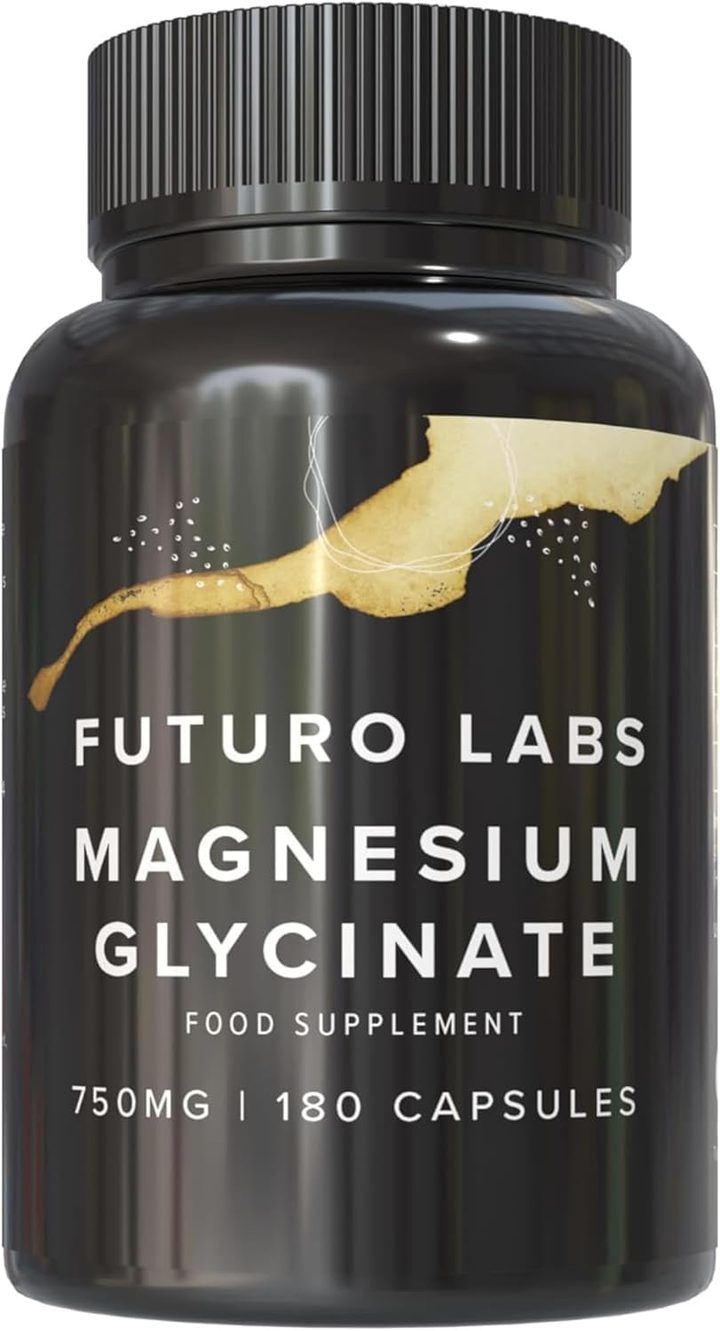
Our brand: the worked example on this page
Futuro Labs Magnesium Glycinate
- 22p a day
- 180 capsules, 2 capsules daily
- Lab tested
- Made in the UK
A brand whose certificates are askable: Futuro Labs Magnesium Glycinate on Amazon UK, batch tested for lead, mercury, arsenic and cadmium, £19.99 for 90 days at 22p. Full label breakdown. The phrase third-party tested parsed is on the meaning guide; the metals phrase on the heavy metals guide.
The anatomy, line by line, because a certificate is a specific document and not a general reassurance
A certificate of analysis, a CoA, is the document that turns the phrase third-party tested into a fact, and it has an anatomy a buyer can learn in a minute so that the real thing is recognised and the imitation is not. The header: the name of the laboratory that performed the analysis, its accreditation, ISO 17025 or the national equivalent, sometimes with an accreditation number, the client for whom the analysis was performed, the product name as the laboratory received it, the batch or lot number that identifies the production run, the sample receipt date and the date of analysis or issue, and a unique certificate or report number. The table: one row per analyte, naming the substance measured, lead, cadmium, elemental magnesium, aerobic plate count, a prohibited-substance screen; the method used, often coded, ICP-MS for metals, HPLC for a potency assay, a microbiological method for counts; the measured result as a number with its unit, milligrams per kilogram, milligrams per capsule, colony-forming units per gram, or reported as below a stated limit of detection; the specification or legal limit the result is compared against; and a conformity column, pass, fail, conforms, within specification. The sign-off: an authorising signature or an electronic release by a named analyst or laboratory manager, with the laboratory's contact details and a statement of scope, often noting that the results relate only to the sample tested. That is a certificate of analysis: a specific laboratory's specific measurements on a specific batch, dated and signed, and anything without those parts is something else wearing the name.
How to read one against the tub, the red flags that mean it is not one, and how to get one
Reading a certificate against the tub is three matches and one comparison. Match the product name to the label, match the batch or lot number to the batch printed on the tub, and match the analytes to the category's risk, metals for a mushroom, botanical, marine or mineral product, oxidation values for a fish oil, potency for a vitamin, banned substances for an athlete's product, then compare each result with its limit and the potency result with the label's declared amount, a magnesium certificate reporting elemental magnesium at or above the declared 300mg per two capsules within tolerance being the confirmation the tested vitamins guide's %NRV read looks for. The red flags that mean a document is not a certificate of analysis: no batch number, so the document cannot be tied to the tub in hand; no laboratory named, or a brand's own letterhead with no lab behind it, so the party is first rather than third; typical values, target values or specification values presented where measured results should be, the difference between what a product is designed to contain and what a sample of this batch contained; no date, or a date years old; a summary line reading heavy metals pass with no metals named and no numbers; and a certificate for a different product or a different batch offered as if it covered this one. How to get one: ask the brand, through its storefront or customer service, for the certificate of analysis for the batch number on your tub, the four questions in a sentence, and read the reply as the test, a brand that tests producing the document promptly because it exists, a brand that does not producing a paragraph because it does not, with some brands publishing certificates on their sites by batch lookup or QR code, the strong-phrase glossary's top rung. The worked example's position, stated as always: batch tested for lead, mercury, arsenic and cadmium with certificates askable from the brand, which is exactly the request this page teaches and exactly the document it describes.
| The part | What a real one shows | The red flag |
|---|---|---|
| The header | Lab name and accreditation; product; batch; dates; report number | No lab, no batch, no date, a brand's letterhead only |
| The analyte column | Each substance measured, named | Heavy metals pass with nothing named |
| The method and result | A method; a measured value with a unit, or below detection | Typical or target values instead of results |
| The limit and conformity | Each result beside its limit; pass or fail | Results with no limits, or limits with no results |
| The sign-off | An authorising release by a named person | Unsigned, undated, unreleased |
| The matches | Product, batch and analytes match the tub and the category | A certificate for a different product or batch |
The verdict, a document with parts and a request with a reply
What is a certificate of analysis for a supplement: a laboratory's report on one batch, with a header naming the accredited laboratory, the product, the batch and the dates, a table listing each analyte with its method, measured result, unit and limit and a pass or fail, and an authorising sign-off, read against the tub by matching the product, the batch and the category's analytes and comparing results with limits and the label, with no batch, no lab, typical values, no date or a nameless pass line meaning the document is not one, and obtained by asking the brand for the certificate for the batch on the tub and reading the reply as the test. The askable example: Futuro Labs Magnesium Glycinate, batch tested for lead, mercury, arsenic and cadmium, certificates on request, £19.99 for 90 days at 22p a day.
What to check on the label
- Know the anatomy: header, table, sign-off.
- Match three things to the tub: product, batch, analytes.
- Compare results with limits and the label: pass, and potency confirmed.
- Refuse the imitations: no batch, no lab, typical values, undated.
- Ask for it by batch: the reply is the test.
Our brand
The worked example: Futuro Labs Magnesium Glycinate
Futuro Labs Magnesium Glycinate is the worked example for the buying guides because its label is the kind these guides teach you to demand: 1500mg magnesium bisglycinate at 20%, 300mg elemental, 80% NRV, 2 capsules a day, 180 capsules for £19.99, 22p a day, UK made, vegan, batch tested for lead, mercury, arsenic and cadmium, address printed, no proprietary blend, and the same four authorised claims any honest magnesium may carry.
- Elemental magnesium per serving
- 300mg (80% NRV)
- Form
- magnesium bisglycinate 20%
- Serving
- 2 capsules a day
- Bottle
- 180 capsules, 90 days
- Price
- £19.99 (22p a day)
- Capsule
- vegetarian shell, vegan product
Questions people also ask
What should a certificate of analysis include?
A header with the accredited laboratory's name, the product, the batch or lot number and the dates; a table with each analyte's method, measured result, unit and limit and a pass or fail; and an authorising signature or release.
How do I check a certificate matches my supplement?
Match the product name to the label, the batch or lot number to the batch printed on the tub, and the analytes to the category's risk, then compare each result with its limit and any potency result with the declared amount.
What is the difference between a certificate of analysis and a specification sheet?
Measured versus designed: a certificate reports what a laboratory found in a sample of this batch, while a specification sheet lists what the product is designed to contain, and typical or target values on a document mean it is the second wearing the first's name.
Who can issue a certificate of analysis?
The laboratory that did the analysis, ideally accredited to ISO 17025, which is why a document on a brand's own letterhead with no laboratory named is first-party and not a certificate of analysis in the third-party sense.
How do I get a certificate of analysis from a brand?
Ask through its storefront or customer service for the certificate for the batch number on your tub, naming the analytes your category needs, and read the reply as the test: a prompt document, a paragraph, or silence.
Sources
- The heavy metals analysis literature: inductively coupled plasma mass spectrometry is the standard method for quantifying lead, cadmium, mercury and arsenic in dietary supplements against regulatory maximum levels. PubMed record
- UK and retained EU contaminant law: maximum levels for lead, cadmium, mercury and arsenic in food supplements are set in legislation, with certain fungus-based supplements holding specific cadmium limits. https://www.legislation.gov.uk/eur/2006/1881/contents
- The supplement formulation literature: manufacturers add overages of vitamins above the label claim so that the declared amount is still present at the end of shelf life, potency testing at release and at expiry confirming the practice. PubMed record
- The supplement manufacturing standards: Good Manufacturing Practice, the BRCGS Global Standard for Food Safety and ISO 22000 are the facility-level certifications a contract manufacturer holds and a brand may cite. https://www.brcgs.com/our-standards/food-safety/