Ghost Fitness/Collagen/What helps tendons heal faster?
What helps tendons heal faster?
The short answer
Climbing the ladder on time: isometric holds for pain and capacity, heavy slow resistance for strength, energy-storage loading for the spring, then return to sport, each rung earned by the next day's pain and strength, not the calendar. Skipping slows.
- Rung one, isometrics~5 heavy holds of ~45 seconds: pain relief for the hour after and early capacity; daily
- Rung two, heavy slow resistanceslow heavy concentric and eccentric work, ~3 seconds each way, 3 times a week: most of the remodelling
- Rung three, energy storagejumping, hopping, bounding: the spring, only once rung two is strong and pain-stable; the rung lifters skip
- Rung four and the rulereturn to sport by criteria; progress by the 24-hour pain response and strength symmetry, never the calendar
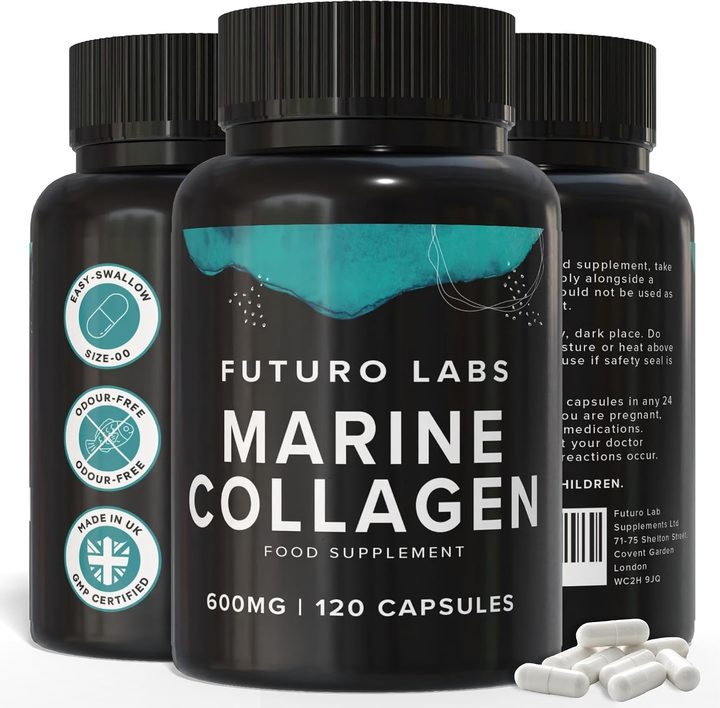
Our brand: the worked example on this page
Futuro Labs Marine Collagen
- 28p a day
- 120 capsules, 2 capsules daily
- Lab tested
- Made in the UK
The adjunct timed to each rung's session: Futuro Labs Marine Collagen on Amazon UK, 2 capsules, 1200mg hydrolysed type 1 marine collagen with 12mg vitamin C at 15% NRV plus zinc, 120 for £16.99, 28p a day, lab tested and UK made, below the ~15g protocol and taken for vitamin C's collagen formation sentence through the months the ladder takes. Full label breakdown. The budget of days lost is on the heal tendons and ligaments faster page; the first forty-eight hours on the heals tendons quickly page; the stages of healing on the tendon healing stages page.
The ladder's first two rungs: isometrics for pain and capacity, heavy slow resistance for strength
What helps tendons heal faster is a question the supplement aisle answers with a tub and the physiotherapy literature answers with a ladder, and the honest page gives the ladder, because the only thing that makes a tendon heal faster is climbing the right rung at the right time and the only thing that reliably makes it slower is skipping one, which most lifters do at least once. The ladder is the tendinopathy rehabilitation continuum, four stages of loading that rebuild a painful tendon's capacity in the order the tissue can take it. Rung one is isometrics. A painful tendon starts here: heavy static holds against an immovable or very heavy load, around five holds of forty-five seconds at roughly seventy percent of maximum with rests between, a wall sit or a leg extension hold for a patellar tendon, a heavy standing calf hold for an Achilles, a static wrist hold for an elbow. The isometric literature found these holds reduce tendon pain immediately and for around forty-five minutes afterwards, more than isotonic work does, so rung one does two jobs at once, it relieves the pain that stops a lifter moving and it begins rebuilding the tendon's capacity to take load, and because it provokes little it can be done daily and used before training as an analgesic while the rest of the ladder is built. Rung two is isotonic heavy slow resistance, the rung on which most of the remodelling happens: slow, heavy, controlled concentric and eccentric work through range, around three seconds up and three seconds down, loads heavy enough to be hard for six to fifteen repetitions, three sessions a week, squats, leg presses and leg extensions for a patellar tendon, seated and standing calf raises for an Achilles, wrist curls and extensions for an elbow, progressed in load as the tendon tolerates over weeks to months, with the eccentric heel-drop tradition for the Achilles the ancestor of the rung and heavy slow resistance its modern form, the two performing similarly in trials. This is where the tendon's collagen realigns to the load and its stiffness and strength return toward normal, and it is a rung measured in months, not weeks, which is the first place the calendar and the tissue disagree.
The third and fourth rungs, the rule of progression, the rung lifters skip, and the adjunct timed to each session
Rung three is energy-storage loading, and it is the rung lifters skip. A tendon in sport is a spring, storing energy as it stretches under load and returning it as it recoils, and the loads that store the most energy, jumping, hopping, bounding, sprinting, cutting, landing from a box, are the loads that overloaded the tendon in the first place and the loads it must be retrained for before it can go back to them. Rung three introduces them deliberately and progressively, low jumps before high, two legs before one, a few before many, with days between sessions for the tendon to recover, and only once rung two has made the tendon strong and pain-stable, since energy-storage loading on a tendon that has not rebuilt its strength is the commonest re-injury in tendon rehabilitation. Rung four is return to sport: the sport's own demands, volume, intensity and unpredictability, reintroduced by criteria rather than by date, strength symmetry between the sides, the ability to perform the sport's energy-storage movements without a pain flare, and the confidence to do so, the return-to-sport literature's finding that criteria-based return re-injures less than calendar-based. The rule of progression binds the ladder together and is the single most useful thing on this page: a lifter climbs from one rung to the next, and adds load within a rung, according to the tendon's pain response within twenty-four hours of a session, pain during and after being acceptable if it settles to its baseline by the next morning and a sign to hold or step back if it does not, and according to strength criteria, never according to how many weeks have passed. Skipping a rung, usually from one straight to three because the pain has eased or from two straight to four because the calendar says the injury should be over, is the way most lifters make tendon healing slower, since it loads a tendon with a capacity it has not yet rebuilt, provokes a flare, and sends the lifter back down the ladder to rung one, the restart cycle that turns months into years. Nutrition holds the floor beneath the ladder, protein at 1.6 to 2.2 grams per kilo, the cofactors from food, no smoking, and collagen's protocol is an adjunct timed to each rung's session, around fifteen grams of gelatin or hydrolysed collagen with roughly 50mg of vitamin C an hour before the isometrics, the heavy slow resistance or the hopping, on the strength of a marker trial and one small outcome trial beside loading, improving perhaps the tissue each rung produces and never the speed of the climb. The worked example is that adjunct on its true terms: two capsules, 1200mg hydrolysed type 1 marine collagen with 12mg vitamin C plus zinc, 120 for £16.99 at 28p a day, lab tested and UK made, below the protocol's grams, taken for vitamin C's collagen formation sentence through the months the ladder takes. What helps tendons heal faster: climbing the four rungs in order, earning each with the next morning's pain and the strength numbers, and never skipping the one that stores energy.
| The rung | What it is | What it does | When to climb |
|---|---|---|---|
| One: isometrics | ~5 heavy holds of ~45 seconds at ~70% of maximum; daily | Relieves pain for the hour after; begins rebuilding capacity | From the first day of a painful tendon |
| Two: heavy slow resistance | Slow heavy concentric and eccentric work, ~3 seconds each way, 6 to 15 reps, 3 times a week | Realigns collagen to load; rebuilds tendon and muscle strength over months | When isometrics are tolerated; progress load by the 24-hour response |
| Three: energy storage | Jumping, hopping, bounding, landing, sprinting; low to high, two legs to one, few to many | Restores the tendon's spring for sport | Only when rung two is strong and pain-stable; the rung lifters skip |
| Four: return to sport | The sport's own volume, intensity and unpredictability | The end of the ladder | By criteria: strength symmetry, energy-storage movements without a flare, confidence |
| The rule | Pain within 24 hours settling to baseline by the next morning; strength criteria | Governs every step up and every load added | Never the calendar |
| Skipping a rung | One to three when the pain eases; two to four when the calendar says | Loads a capacity not yet rebuilt; a flare; back to rung one | The commonest way to make healing slower |
| The adjunct | ~15g collagen with ~50mg vitamin C an hour before each rung's session | A marker trial and one small outcome trial beside loading | Improves perhaps the tissue, never the speed |
| The worked exampleOurs | Two capsules, 1200mg marine collagen with 12mg vitamin C plus zinc, 28p a day | Below the protocol; the vitamin C line | Through the months the ladder takes |
What to check on the label
- Start on isometrics: five heavy holds, daily, for pain and capacity.
- Spend months on heavy slow resistance: three seconds each way, three times a week.
- Earn the energy-storage rung: strong and pain-stable first.
- Progress by the next morning's pain and the strength numbers: never the calendar.
- Never skip a rung: the skip is the slow part.
Our brand
The worked example: Futuro Labs Marine Collagen
Futuro Labs Marine Collagen: 2 capsules daily, 1200mg hydrolysed type 1 marine collagen with 12mg vitamin C and 1.5mg zinc (15% NRV each), 120 capsules for £16.99, 60 days at 28p a day, lab-tested, UK GMP made. Slim veggie-shell capsules, odour free. Fish derived: pescatarian, not vegetarian or vegan.
- Collagen per serving
- 1200mg hydrolysed type 1 marine (fish)
- Co-factors
- vitamin C 12mg (15% NRV), zinc 1.5mg (15% NRV)
- Serving
- 2 capsules a day
- Bottle
- 120 capsules, 60 days
- Price
- £16.99 (28p a day)
- Capsule
- slim size 00, veggie shell, odour free
Questions people also ask
What is the fastest way to heal a tendon?
Climbing the rehabilitation ladder on time: isometric holds for pain and early capacity, heavy slow resistance to rebuild strength over months, energy-storage loading to restore the spring, and return to sport by criteria, each rung earned by the pain response within twenty-four hours and strength symmetry rather than the calendar, with skipping a rung the commonest way to make it slower.
What exercises help tendons heal?
In order: heavy isometric holds of around forty-five seconds, five at a time, from the first day; slow heavy concentric and eccentric work through range, three seconds each way, three times a week, for months; then progressive jumping, hopping and bounding once the tendon is strong and pain-stable; then the sport's own movements, all set and progressed by a physiotherapist.
How do I know when to progress tendon rehab?
By the twenty-four-hour rule and the strength numbers: pain during and after a session is acceptable if it settles to its baseline by the next morning and a sign to hold or step back if it does not, and the move to the next rung is earned by strength symmetry and tolerance, never by how many weeks have passed.
Why does my tendon keep flaring when I return to training?
Usually a skipped rung: returning to jumping, sprinting or heavy volume because the pain eased or the calendar said so loads a tendon with a capacity it has not yet rebuilt on the heavy slow resistance rung, provokes a flare and sends the lifter back to isometrics, the restart cycle that turns months into years.
Does collagen help tendons heal faster?
Not faster: around fifteen grams with roughly 50mg of vitamin C an hour before a loading session doubled a collagen synthesis marker in a small trial, and one small six-month trial found 2.5 grams beside calf strengthening improved Achilles tendinopathy, so the protocol is an adjunct timed to each rung's session that may improve the tissue each rung produces and never the speed of the climb.
Sources
- The tendinopathy rehabilitation continuum: a staged progression from isometric loading for pain and early capacity, through isotonic heavy slow resistance to rebuild strength, to energy-storage loading such as jumping and hopping to restore the tendon's spring, and finally return to sport, with progression between stages governed by pain response within twenty-four hours and strength criteria rather than by the calendar. PubMed record
- The isometric loading and tendon pain literature: in patellar tendinopathy, five heavy isometric holds of around forty-five seconds at roughly seventy percent of maximum reduced tendon pain immediately and for around forty-five minutes afterwards, more than an isotonic protocol, so isometric holds are used early in tendon rehabilitation for pain relief while the progressive programme is built, a within-session effect and not a cure. PubMed record
- The return-to-sport literature: criteria-based progression, strength symmetry and capacity tests rather than calendar dates, is associated with lower re-injury after ligament injury. PubMed record
- The gelatin and vitamin C pre-exercise research (Shaw, Baar and colleagues): 15g gelatin with vitamin C taken about an hour before loading, studied for markers of collagen synthesis, the protocol behind the tendon-training conversation. PubMed record