Ghost Fitness/Collagen/What are the first signs that collagen is working?
What are the first signs that collagen is working?
The short answer
The first signs are false positives: hydrated skin, the glass of water; stronger nails, six months to grow out; better joints, the training log; fuller hair, three months to show; better sleep, glycine. The real sign is instrumental at twelve weeks.
- Signs one and twohydrated skin: the glass and the weather, trials read at 8 to 12 weeks; stronger nails: six months to replace, not yet
- Signs three and fourbetter joints: the deload or the shoe, trials read at 12 weeks; fuller hair: a centimetre a month, three months resting
- Sign fivebetter sleep: ~3g glycine in 10g, small trials, a footnote not a skin or joint sign
- The real first signa cutometer or corneometer reading at 8 to 12 weeks at trial doses; a scored joint sheet at 12; the habit anchoring at week three
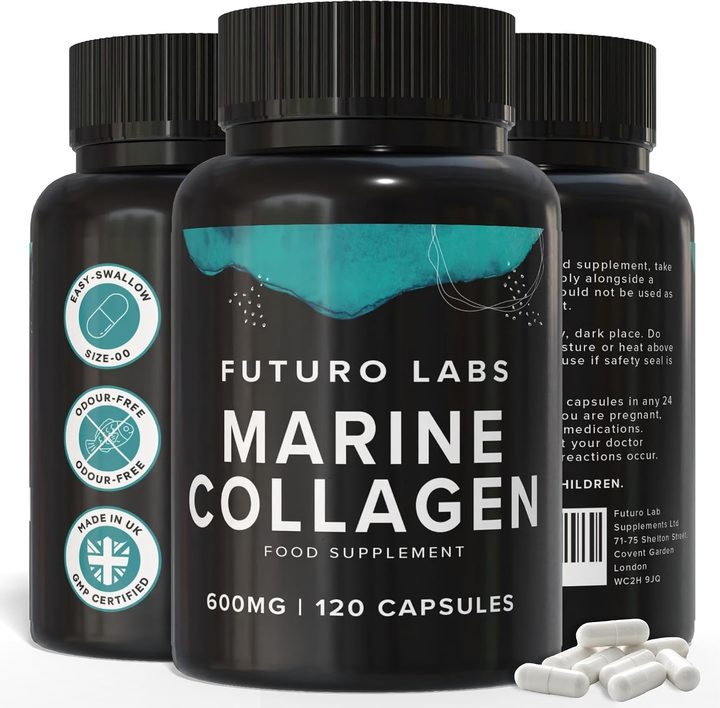
Our brand: the worked example on this page
Futuro Labs Marine Collagen
- 28p a day
- 120 capsules, 2 capsules daily
- Lab tested
- Made in the UK
For the habit that anchors at week three: Futuro Labs Marine Collagen on Amazon UK, 2 capsules, 1200mg hydrolysed type 1 marine collagen with 12mg vitamin C at 15% NRV plus zinc, 120 for £16.99, 28p a day, lab tested and UK made, below the trial doses, taken for vitamin C's collagen formation sentence with no early sign promised. Full label breakdown. The first-fortnight noticing ledger is on the how long marine collagen takes page; the day-30 report card on the one month page; whether there is anything to notice at all on the notice a difference page.
The five false positives, ranked by how convincing they are, with the check for each
What are the first signs that collagen is working is a question whose honest answer is that the first signs are false positives, every one of them, and the useful page ranks them by how convincing they are and gives a check against each, because a reader who can run the check avoids the two errors the question invites, believing a sign that is not collagen and stopping before the sign that is. Sign one, the most convincing: skin that feels more hydrated, plumper, smoother in the first week or two. The stratum corneum, the surface layer a reader touches, changes its hydration in days with the weather, the central heating, the cleanser and, above all, the fluid a reader drinks, and a collagen powder arrives in a glass of water or a mug that most readers were not drinking before, so the check is whether the glass is new, and in most cases it is; the trials' hydration gains, a few percent by corneometer, were measured at eight to twelve weeks because the dermis beneath turns over on a clock of months, so a week-one feeling is the glass and not the dermis. Sign two: nails that seem stronger or faster-growing at week three or four. A fingernail grows around three millimetres a month and takes six months to replace itself, so the nail a reader is inspecting at week three was made before the tub was opened, and any change in it from any cause cannot yet have grown out from the matrix; the check is the calendar, and the calendar says not yet, with the one collagen nail study, open-label and placebo-free, reading at twenty-four weeks. Sign three: joints that feel better, the knee less achy after leg day. The check is the training log, because a deload week, a lighter block, a new shoe, a change of surface or simply the attention a reader pays to a joint they have started supplementing moves a joint score more than any supplement does, and the joint comfort trials took their first reading at twelve weeks and their clearer one at twenty-four, so a week-three knee is reporting the programme and not the powder. Sign four: hair that seems fuller or sheds less. Scalp hair grows a centimetre a month and each follicle rests for around three months before shedding, so the hairs on the brush today were decided months ago and nothing from any cause shows before three to six months; the check is the cycle, and no collagen trial measured hair at all. Four signs, four checks, and each check comes back the same way: the thing noticed is real and is not the collagen.
The fifth sign, which may be real and is not what collagen is sold for, the only real first sign, and the habit
Sign five is the odd one out: better sleep, an easier drift-off or a fresher morning in the first week of a bedtime collagen drink. This one may be real, and it is not collagen working on anything collagen is sold for. Collagen is around a third glycine by weight, so a ten-gram dose carries around three grams of glycine, and three grams of glycine before bed is the dose a handful of small trials gave for subjective sleep quality, reporting an easier onset and less daytime sleepiness on questionnaires, trials too small and too few for any claim and none exists; add the warm drink, the routine and the expectation, which the placebo and sleep literature shows moves subjective sleep within nights, and a reader has a plausible real effect that has nothing to do with skin, joints, tendons or any tissue the tub names, a footnote rather than a first sign. The only real first sign of collagen working is one almost no reader will see, because it is instrumental: a cutometer reading of skin elasticity or a corneometer reading of hydration at eight to twelve weeks at 2.5 to 10 grams a day, up a few percent against baseline, which is what the skin trials found and what a mirror cannot show; or a scored joint sheet, one provoking movement marked out of ten weekly, moving at twelve weeks at around ten grams a day, which is what the joint trials found and what memory cannot hold. A reader without an instrument gets the next best thing, a photograph in fixed light before the first dose and at twelve weeks, or the sheet, and expects to see very little even then, since a few percent is below what a photograph shows. The one thing worth noticing in the first weeks is not a sign that collagen is working but a sign that it might get the chance to: the habit anchoring at around week three, the dose still being taken with the morning coffee or the last glass of water when a floating dose would have lapsed, which is the variable every trial controlled and the precondition for any reading at twelve weeks. The register's line runs beneath the five signs: collagen holds no claim for any of them, and the tub's skin, hair and nail sentences belong to vitamin C, zinc and biotin beside it. The worked example promises no early sign: two capsules, 1200mg hydrolysed type 1 marine collagen with 12mg vitamin C plus zinc, 120 for £16.99 at 28p a day, lab tested and UK made, below the trial doses, taken for vitamin C's collagen formation sentence and the habit that anchors at week three. What are the first signs that collagen is working: five false positives with five checks, one glycine footnote, and a real sign that arrives at twelve weeks on an instrument most readers do not own.
| The sign | How convincing | The real cause | The check |
|---|---|---|---|
| Skin feels hydrated | Most | The glass of water, the weather, the heating; the surface layer changes in days | Is the glass new? Trials read hydration at 8 to 12 weeks |
| Nails seem stronger | High | The nail inspected was made months ago; six months to replace | The calendar: not yet; the one nail study read at 24 weeks |
| Joints feel better | High | A deload, a lighter block, a new shoe, attention | The training log; trials read at 12 and 24 weeks |
| Hair seems fuller | Moderate | A centimetre a month, three months resting; nothing shows before three to six months | The cycle; no collagen trial measured hair |
| Better sleep | May be real | ~3g glycine in 10g, the small-trial sleep dose; the warm drink, the routine, expectation | A footnote, not a sign about skin or joints |
| The real first sign | Instrumental | Cutometer or corneometer at 8 to 12 weeks at trial doses; a scored joint sheet at 12 | A fixed-light photograph or the sheet; expect very little |
| The habit anchoring | Worth noticing | The dose still taken at week three | The precondition for any reading |
| The worked exampleOurs | No early sign promised | Two capsules, 1200mg marine collagen with 12mg vitamin C plus zinc, 28p a day | The habit and the vitamin C line |
What to check on the label
- Check the glass before the skin: hydration is the water's.
- Check the calendar before the nails: six months to grow out.
- Check the log before the joints: the deload did it.
- Check the cycle before the hair: three months to show.
- Notice the habit at week three: the only early sign that matters.
Our brand
The worked example: Futuro Labs Marine Collagen
Futuro Labs Marine Collagen: 2 capsules daily, 1200mg hydrolysed type 1 marine collagen with 12mg vitamin C and 1.5mg zinc (15% NRV each), 120 capsules for £16.99, 60 days at 28p a day, lab-tested, UK GMP made. Slim veggie-shell capsules, odour free. Fish derived: pescatarian, not vegetarian or vegan.
- Collagen per serving
- 1200mg hydrolysed type 1 marine (fish)
- Co-factors
- vitamin C 12mg (15% NRV), zinc 1.5mg (15% NRV)
- Serving
- 2 capsules a day
- Bottle
- 120 capsules, 60 days
- Price
- £16.99 (28p a day)
- Capsule
- slim size 00, veggie shell, odour free
Questions people also ask
How do you know collagen is working?
By instrument at the trials' reading points, or not at all: skin elasticity and hydration by cutometer and corneometer at eight to twelve weeks at 2.5 to 10 grams, or a scored joint sheet at twelve weeks at around ten grams, a few percent that a device detects and a mirror does not, with every earlier sign having a cause that is not the collagen.
Why does my skin feel better after a week of collagen?
Because the surface layer changes in days with the weather, the heating, the cleanser and the fluid a reader drinks, and a collagen powder arrives in a glass of water most readers were not drinking before, so the week-one feeling is the glass and not the dermis, which turns over on a clock of months and was measured in the trials at eight to twelve weeks.
Are stronger nails an early sign collagen is working?
They cannot be: a fingernail grows around three millimetres a month and takes six months to replace, so the nail inspected at week three was made before the tub was opened, and the one collagen nail study, open-label with no placebo, read its results at twenty-four weeks.
Is better sleep a sign collagen is working?
It may be a real effect and it is not collagen working on anything collagen is sold for: a ten-gram dose carries around three grams of glycine, the amount small trials gave before bed for subjective sleep quality, with the warm drink, the routine and expectation adding to it, a footnote with no claim rather than a sign about skin, joints or tendons.
What should I actually watch for in the first month?
The habit: whether the dose is still being taken at week three, anchored to the morning coffee or the last glass of water, because consistency was the variable every trial controlled and a dose that has lapsed by week three never reaches the twelve-week reading where the only real sign lives.
Sources
- The skin biology literature: the epidermis turns over in around four weeks while dermal collagen, the layer supplements target, turns over far more slowly, so the oral collagen skin trials measured elasticity and hydration after eight to twelve weeks of daily intake with no timing of day specified, consistency across weeks rather than time of day being the variable the trials controlled. PubMed record
- The glycine and sleep trial literature: small randomised studies of around 3g glycine before bed reporting subjective sleep-quality changes, with no authorised claim resulting. PubMed record
- The expectation and sleep literature: placebo responses in insomnia trials are substantial and rapid, subjective sleep improving within nights of starting an inert treatment the sleeper believes in. PubMed record
- The habit formation literature: anchoring a new behaviour to an existing daily routine is the best-documented adherence strategy, with consistency outperforming timing choices. PubMed record