Ghost Fitness/Collagen/Do doctors recommend taking collagen?
Do doctors recommend taking collagen?
The short answer
Not as treatment: no clinical guideline recommends collagen for any condition, and the typical medical view is that it is low harm, low evidence and treats nothing. Doctor-recommended badges on pouches are unverifiable marketing, not guidance.
- 0 guideline seatsno clinical pathway anywhere recommends collagen
- The typical clinical viewlow harm, low evidence, treats nothing: the honest shrug
- The badge decodeddoctor-recommended on a pouch is unverifiable marketing
- When to actually ask onemedicine lists, conditions, pregnancy: the label's own caution
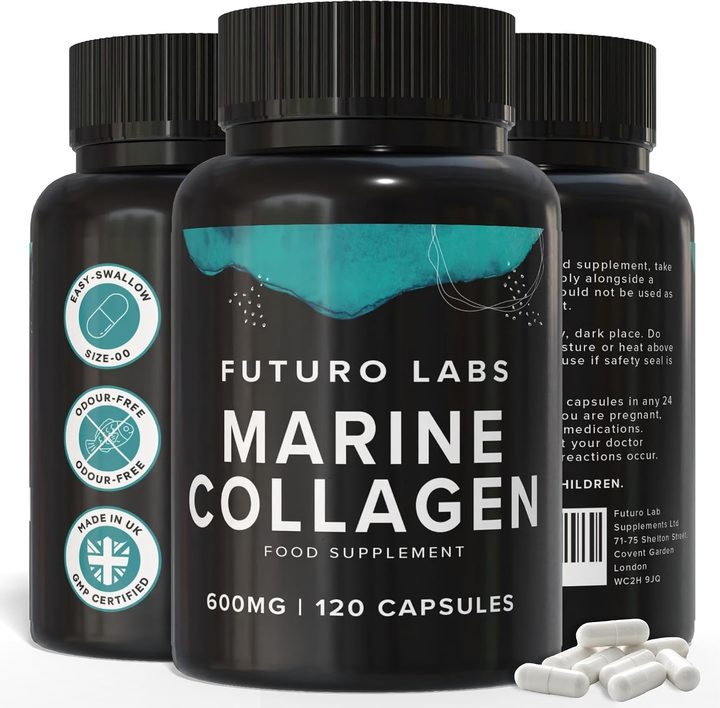
Our brand: the worked example on this page
Futuro Labs Marine Collagen
- 28p a day
- 120 capsules, 2 capsules daily
- Lab tested
- Made in the UK
The product this site describes exactly as a careful doctor would want: Futuro Labs Marine Collagen on Amazon UK, 1200mg hydrolysed type 1 with vitamin C and zinc at 15% NRV, £16.99 for 60 days at 28p, no treatment claims anywhere. Full label breakdown. The evidence pipeline is on the ligament page; the worth tests on the 50s page.
What the guidelines say, and why the honest clinical answer is a shrug
Take the question to where medicine actually writes its recommendations and the answer is uniform: no clinical guideline anywhere recommends collagen for any condition. Osteoarthritis guidance builds its first-line care from exercise, weight management and education, with supplements absent from the recommended pathway and the joint aisle's former favourites, glucosamine and chondroitin, specifically demoted after their big trials failed; tendinopathy care is the loading rehabilitation this section's tendon pages describe; dermatology's evidence hierarchy for ageing skin runs sunscreen and retinoids, not peptides; and sports medicine's consensus documents treat collagen, where they mention it at all, as an emerging research interest rather than a recommendation. Which explains the response most readers actually meet when they ask their own GP: a shrug, and the shrug is honest, translating roughly as low harm, low evidence, treats nothing, take it if you like. That posture is not dismissiveness but triage: a claim-free food supplement with a clean safety profile at label doses is simply not medicine's business unless something on the patient's chart makes it so, and a doctor's silence on collagen is the sound of a professional correctly declining to bless what the evidence has not.
The badge decoded, and the moments a doctor genuinely belongs in the decision
Meanwhile the pouches print the phrase this page's question echoes, doctor recommended, dermatologist developed, physician formulated, and the decode is short: those badges are unverifiable marketing, naming no doctor, no criteria, no declaration of interest, and no mechanism by which a reader could check them, the exact opposite of a guideline, which is authored, referenced, argued and revisable in public. A single paid clinician's endorsement is worth precisely the fee it cost, and this site's standing rule handles the whole genre: claims live on labels and registers, not in badges, so the badge is read as decoration and the label is read as evidence. What remains genuinely medical are the moments this section routes to professionals every time, and they are worth listing as the honest answer to when a doctor should be in your collagen decision: a medicine list of any length, where the pharmacist's thirty-second check is the standing gate and the worked example's own label caution about use alongside other medications makes the point in print; pregnancy and nursing, where the same label says not for use and the conversation belongs with the midwife or GP; any diagnosed condition the purchase is quietly hoping to treat, which is a treatment conversation by definition; and any new symptom that prompted the search, assessed before an aisle answers it. Outside those, the doctor's honest position and this site's converge exactly: an optional, claim-free, 28p habit, taken with open eyes or not at all.
| The source | What it says | The reading |
|---|---|---|
| Clinical guidelines, all territories | Collagen appears in none of them | Not a treatment: the definitive answer |
| Osteoarthritis first-line care | Exercise, weight management, education | The supplement aisle is absent from the pathway |
| The typical GP response | Low harm, low evidence, take it if you like | The honest shrug: triage, not dismissal |
| Doctor-recommended badges | Unverifiable, unauthored, uncriteria'd | Decoration: read the label, not the badge |
| Medicine lists, pregnancy, conditions | The label's own cautions | The moments a professional genuinely belongs |
| This site's position | Claim-free 28p habit, open eyes | Converges with the shrug exactly |
The verdict, and the question answered the way a careful clinician would
Do doctors recommend taking collagen: not as treatment, no guideline recommending it for anything, and the typical clinical posture being the honest shrug, low harm, low evidence, treats nothing, with the pouch-badges claiming otherwise decoded as the unverifiable marketing they are. A doctor genuinely belongs in the decision where the label itself says so, medicine lists, pregnancy, conditions, new symptoms, and everywhere else the medical view and this site's are the same sentence: an optional habit bought for the register's real vitamin C and zinc sentences or not at all. The worked example is built to survive exactly that clinical reading: Futuro Labs Marine Collagen, 1200mg hydrolysed type 1 with 12mg vitamin C and 1.5mg zinc at 15% NRV, lab tested, UK made, £16.99 for 60 days at 28p a day, a label carrying no promise a doctor would have to talk a patient out of.
What to check on the label
- No guideline recommends collagen: for any condition, anywhere.
- The clinical shrug is honest: low harm, low evidence, treats nothing.
- Badges are not guidance: unverifiable, unauthored, decoration.
- The label names the medical moments: medicine lists, pregnancy, conditions.
- New symptoms are assessed first: before any aisle answers them.
Our brand
The worked example: Futuro Labs Marine Collagen
Futuro Labs Marine Collagen: 2 capsules daily, 1200mg hydrolysed type 1 marine collagen with 12mg vitamin C and 1.5mg zinc (15% NRV each), 120 capsules for £16.99, 60 days at 28p a day, lab-tested, UK GMP made. Slim veggie-shell capsules, odour free. Fish derived: pescatarian, not vegetarian or vegan.
- Collagen per serving
- 1200mg hydrolysed type 1 marine (fish)
- Co-factors
- vitamin C 12mg (15% NRV), zinc 1.5mg (15% NRV)
- Serving
- 2 capsules a day
- Bottle
- 120 capsules, 60 days
- Price
- £16.99 (28p a day)
- Capsule
- slim size 00, veggie shell, odour free
Questions people also ask
Why won't my GP give an opinion on collagen?
The shrug is the opinion, and it is honest: a claim-free supplement with a clean safety profile at label doses is not medicine's business unless your chart makes it so.
Do any medical guidelines mention collagen positively?
None recommend it: osteoarthritis care is built on exercise, weight and education, tendinopathy on loading rehab, and skin guidance on sunscreen and retinoids.
What does doctor-recommended on a pouch actually mean?
Nothing checkable: no named doctor, criteria or declared interest. Read it as decoration and read the label as the evidence.
When should I genuinely involve a doctor or pharmacist?
Where the label itself says so: any medicine list, pregnancy or nursing, a diagnosed condition, or any new symptom that prompted the search.
So is taking collagen medically fine?
At label doses, for most adults outside the label's cautions, it is a low-harm personal choice: bought honestly for the vitamin C and zinc sentences, never as treatment.
Sources
- Clinical guidance on osteoarthritis management: exercise, weight management and education form the core first-line care, with supplements absent from the recommended pathway. PubMed record
- The glucosamine and chondroitin trial record: large independent randomised trials in osteoarthritis returned results that failed to support the category's promises, a cautionary benchmark for the whole joint shelf. PubMed record
- EFSA Panel on Dietetic Products, Nutrition and Allergies. Scientific Opinion on the substantiation of health claims related to magnesium. EFSA Journal 2010;8(10):1807. https://efsa.onlinelibrary.wiley.com/doi/10.2903/j.efsa.2010.1807
- Futuro Labs Marine Collagen listing and label: 1200mg hydrolysed type 1 marine collagen per 2-capsule serving with 12mg vitamin C and 1.5mg zinc at 15% NRV each, 120 capsules, independently lab tested, UK made. https://www.amazon.co.uk/dp/B0C2J7N364