Ghost Fitness/Collagen/Is it worth taking collagen in your 50s?
Is it worth taking collagen in your 50s?
The short answer
Worth it only with honest expectations: collagen holds no claims at any age, and the 50s priorities with real mandates are protein for muscle, vitamin D and calcium for bones, and vitamin C. Collagen rides along as a modest protein.
- 0 claims at any agethe register writes no over-50 exception for collagen
- The real 50s listprotein, vitamin D, calcium, vitamin C: all mandated
- 1.2g+ per kilogramthe protein territory that matters more with age
- 28pwhat the honest version of riding along costs
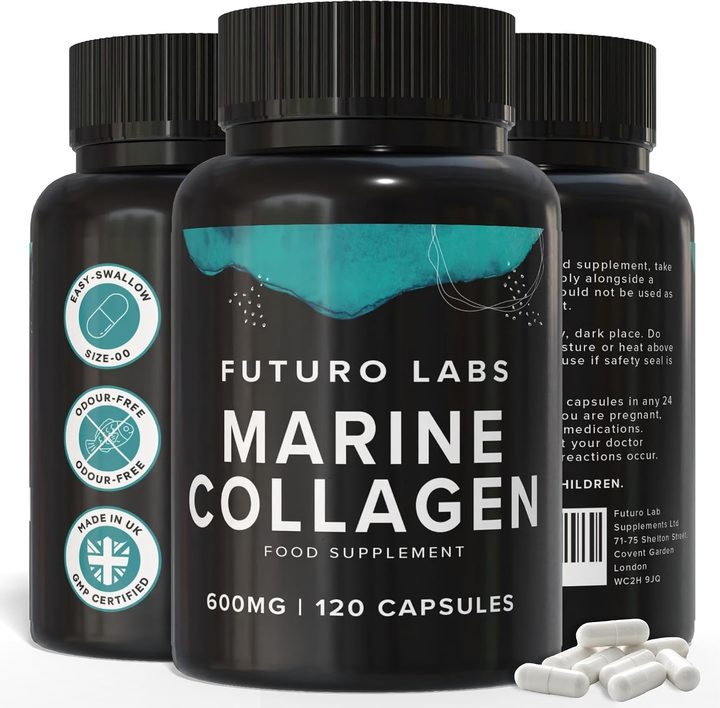
Our brand: the worked example on this page
Futuro Labs Marine Collagen
- 28p a day
- 120 capsules, 2 capsules daily
- Lab tested
- Made in the UK
The honest version of riding along: Futuro Labs Marine Collagen on Amazon UK, 1200mg hydrolysed type 1 with vitamin C and zinc at 15% NRV, slim easy-swallow capsules, £16.99 for 60 days at 28p. Full label breakdown. The over-70 version is on the seniors page; the skin honesty on the sagging-skin page.
The physiology stated carefully, and the worth test it sets up
The 50s pitch leans on real physiology, so state it carefully and then test what follows. It is true that the body's collagen synthesis declines with age, that skin collagen thins measurably through the decades, and that the years around menopause see an accelerated loss, observational physiology reported across the dermatology literature; what does not follow, and where the marketing jumps, is that swallowing collagen reverses any of it, a leap the register has examined and declined, no collagen product holding any authorised claim about skin, joints, bones or ageing, at 25 or at 55, and the supplementation trials behind the pitch remaining the same small, short, sponsor-funded literature graded across this section, its own best word being modest. So the worth test at 50 is the worth test at any age, run with clear eyes: worth what, for what. As a promise-purchase against ageing, it fails, no promise being lawful. As a modest, incomplete protein contribution carrying the vitamin C and zinc claim-holders, taken by a reader who has read this paragraph, it passes at 28p, the honest and only version of yes this page can issue.
The 50s priorities that actually hold mandates, ranked before the capsule
What genuinely changes in the 50s is the value of the interventions with real sentences, and an honest worth page ranks them before any collagen bottle. Protein rises first: the register's claims for the maintenance of normal muscle mass and normal bones matter more as muscle becomes easier to lose, the older-adult literature supporting intakes from 1.2g per kilogram upward and more when training, met by food and complete proteins, with collagen's incomplete profile, no tryptophan, low leucine, keeping it a topping rather than a foundation. Resistance training partners it, the signal that tells the body which tissue to keep, and the single highest-value habit the decade can add. Vitamin D holds its bones, muscle-function and calcium-absorption claims alongside the UK's 10-microgram advice, the near-default purchase. Calcium is a diet audit, dairy, fortified alternatives, greens. Vitamin C's collagen-formation sentences for skin, cartilage and bones are the decade's one genuinely collagen-adjacent mandate, cheap to meet and worth requiring on any label bought in this aisle. Around the list sit the standing gates: anyone whose 50s include a growing medicine list runs new supplements past a pharmacist, and menopause symptoms, new joint pain or unexplained changes belong with a GP, conversations no capsule participates in. Rank all that first, and collagen's honest slot, an optional 28p rider carrying the C, finds itself without inflation.
| The priority | The authorised basis | The honest move |
|---|---|---|
| Protein to 1.2g+ per kilogram | Muscle-mass and bone maintenance claims | Food and complete proteins first: the foundation |
| Resistance training | Not a supplement at all | The decade's highest-value habit |
| Vitamin D | Bones, muscle function, calcium absorption; UK 10 microgram advice | The near-default purchase |
| Calcium and vitamin C | Bone maintenance; collagen formation for skin, cartilage, bones | Diet audits, cheaply passed |
| CollagenOurs | No claims at any age | The optional rider: honest label, C aboard, 28p |
| Pharmacist and GP gates | Medicine lists; menopause; new symptoms | The conversations that outrank the aisle |
The verdict, and worth defined before it is granted
Is it worth taking collagen in your 50s: only after worth is defined honestly, and then modestly yes, as a 28p incomplete-protein rider carrying the vitamin C and zinc sentences, taken by a reader whose expectations were set by the register rather than the pouch, and only after the decade's real list, protein, training, vitamin D, calcium, C, the pharmacist for the medicine list and the GP for anything new, has been ranked above it. The ageing-reversal version of worth was never on sale, at any age, from anyone lawful. The worked example is the honest rider specified: Futuro Labs Marine Collagen, 1200mg hydrolysed type 1 in slim easy-swallow capsules with 12mg vitamin C and 1.5mg zinc at 15% NRV, lab tested, UK made, £16.99 for 60 days, a product priced like the footnote it honestly is, beneath a decade whose headlines are protein and a barbell.
What to check on the label
- The physiology is real; the reversal claim is not: no claims at any age.
- Protein and training headline the decade: 1.2g-plus per kilogram, lifted.
- Vitamin D is the near-default buy: bones, muscle function, the UK advice.
- Collagen is the optional 28p rider: honest label, C and zinc aboard.
- Growing medicine lists gate new supplements: pharmacist first, GP for the new.
Our brand
The worked example: Futuro Labs Marine Collagen
Futuro Labs Marine Collagen: 2 capsules daily, 1200mg hydrolysed type 1 marine collagen with 12mg vitamin C and 1.5mg zinc (15% NRV each), 120 capsules for £16.99, 60 days at 28p a day, lab-tested, UK GMP made. Slim veggie-shell capsules, odour free. Fish derived: pescatarian, not vegetarian or vegan.
- Collagen per serving
- 1200mg hydrolysed type 1 marine (fish)
- Co-factors
- vitamin C 12mg (15% NRV), zinc 1.5mg (15% NRV)
- Serving
- 2 capsules a day
- Bottle
- 120 capsules, 60 days
- Price
- £16.99 (28p a day)
- Capsule
- slim size 00, veggie shell, odour free
Questions people also ask
Does collagen work better after 50?
No claim exists at any age, and the trials do not carve out an over-50 effect: the physiology of collagen decline is real, and swallowing collagen has not been shown to reverse it.
What is the best collagen for over 50?
The same honest specification as any age: hydrolysed type stated, dose stated, vitamin C at 15% NRV, testing shown, easy to swallow, at a price that respects the absent claims.
What supplements matter most in your 50s?
By mandate: protein toward 1.2g-plus per kilogram with resistance training, vitamin D per the UK advice, calcium and vitamin C through diet: the list that outranks every collagen pouch.
Should collagen replace some of my protein?
No: it is incomplete, missing tryptophan and low in leucine, so it tops up rather than counts. Complete proteins and food do the muscle-guarding work.
Who should check before starting collagen in their 50s?
Anyone with a medicine list, via a pharmacist: and new joint pain, menopause symptoms or unexplained changes belong with a GP before any aisle.
Sources
- Review literature on protein intake and muscle mass in older adults: higher protein intakes support the maintenance of muscle in ageing, the evidence base behind the register's protein and muscle-mass claims mattering more with age. PubMed record
- EFSA Panel on Dietetic Products, Nutrition and Allergies. Scientific Opinion on the substantiation of health claims related to magnesium. EFSA Journal 2010;8(10):1807. https://efsa.onlinelibrary.wiley.com/doi/10.2903/j.efsa.2010.1807
- The collagen and skin trial literature: randomised studies of oral collagen peptides on skin elasticity and hydration, mostly small, short and industry funded, with no authorised claim resulting. PubMed record
- SACN report on vitamin D and health: the basis of UK government advice that adults consider a 10 microgram vitamin D supplement, particularly through autumn and winter. https://www.gov.uk/government/publications/sacn-vitamin-d-and-health-report
- Futuro Labs Marine Collagen listing and label: 1200mg hydrolysed type 1 marine collagen per 2-capsule serving with 12mg vitamin C and 1.5mg zinc at 15% NRV each, 120 capsules, independently lab tested, UK made. https://www.amazon.co.uk/dp/B0C2J7N364