Ghost Fitness/Collagen/Is it worth taking collagen after 60?
Is it worth taking collagen after 60?
The short answer
The same honest verdict as the neighbouring decades: no claims at any age, so collagen rides at 28p behind protein, vitamin D and resistance work. The 60s-specific move is replacing the activity a finished working life quietly removes.
- The unchanged verdictno claims at any age: the rider stays a rider
- The activity cliffretirement removes commutes, errands and incidental movement
- The replacement rulestructure lost is structure rebuilt: scheduled, social, loaded
- The gates, as everpharmacist against the medicine list; GP for anything new
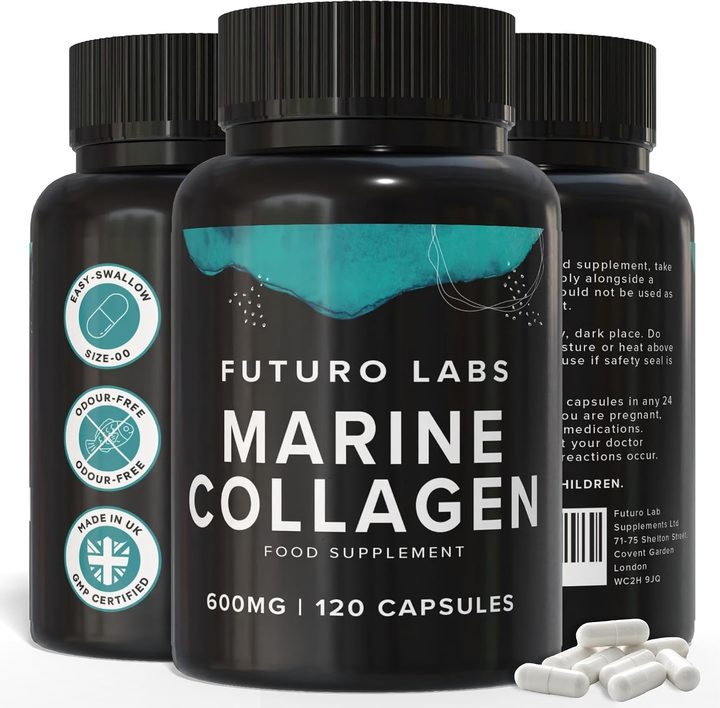
Our brand: the worked example on this page
Futuro Labs Marine Collagen
- 28p a day
- 120 capsules, 2 capsules daily
- Lab tested
- Made in the UK
The rider, unchanged: Futuro Labs Marine Collagen on Amazon UK, 1200mg hydrolysed type 1 with vitamin C and zinc at 15% NRV, slim capsules, £16.99 for 60 days at 28p. Full label breakdown. The neighbouring decades hold the detail: the 50s worth test, the men-over-60 corrections and the over-70 gates.
The verdict carried over, and the thing this decade adds that the others did not
The worth question has been answered honestly on either side of this decade, and the verdict transfers whole: collagen holds no claims at any age, the ageing physiology it markets against is real while the reversal it implies is unlawful to claim, and its honest purchase is the 28p rider, a stated hydrolysed type 1 with vitamin C at 15% NRV carrying the register's genuine sentences, bought behind the priorities with actual mandates, protein toward 1.2g-plus per kilogram, vitamin D per the standing advice, calcium through diet, and resistance work, all gated as ever by the pharmacist for any medicine list and the GP for anything new. What the 60s add that the neighbouring pages did not name is a structural event most of the decade contains: the end of working life, and with it a quiet subtraction this page calls the activity cliff, because a job, whatever else it was, was also a movement schedule, the commute, the stairs, the walking between things, the standing, the errands stacked around it, thousands of incidental daily steps that vanish the week the routine does, at precisely the age when muscle, bone and joints respond worst to their removal. The cliff is not inevitable decline, it is a timetable change, and timetable changes can be answered with timetables.
Answering the cliff, and the rider priced correctly beneath the answer
The honest 60s move is deliberate replacement, structure lost rebuilt as structure chosen, and the design rules are simple enough to fit a paragraph: schedule it, because the job's movement worked by being non-optional and the replacement fails as a vague intention, so walks, classes and gym sessions go in the diary at fixed times; load it, because steps alone do not answer the muscle and bone side, resistance work two-plus days a week carrying the mandates the decade's physiology sharpens, with strength itself, the shopping bags, the stairs, the getting up off the floor, as the honest scoreboard; make some of it social, because the classes, clubs and walking groups that involve other people are the ones still happening in February; and audit the week once against the old one, roughly matching the movement the working structure used to smuggle in. Around the replacement, the decade's list reads as its neighbours wrote it, protein deliberately as appetite drifts, vitamin D year-round for many from here on, the bone list applied to both sexes per the men's page's correction, and the gates in front of every purchase. Then, and only then, the rider takes its honest place: collagen after 60 is worth what it is worth at 50 and at 70, a claim-free 28p habit carrying the vitamin C and zinc sentences, entirely optional, and outweighed several times over by any single scheduled session the cliff-replacement diary contains.
| The item | Why this decade | The move |
|---|---|---|
| The activity cliff | Retirement deletes the job's hidden movement schedule | Name it, then replace it deliberately |
| The replacement design | Vague intentions fail where routines worked | Scheduled, loaded, social, audited against the old week |
| Resistance work | Muscle and bone respond worst to removal now | Two-plus days: strength as the scoreboard |
| Protein and vitamin D | Appetite drifts; sun exposure often falls | 1.2g+ per kilogram; 10 micrograms, year-round for many |
| The gates | Medicine lists are common by now | Pharmacist first; GP for anything new |
| Collagen, the riderOurs | No claims at any age | 28p, C aboard, behind everything above |
The verdict, and worth measured against the diary rather than the pouch
Is it worth taking collagen after 60: on the same terms as either neighbouring decade, yes as a modest, claim-free 28p rider carrying the register's vitamin C and zinc sentences, and never as the answer to a decade whose real question is the activity cliff, the movement a finished working life quietly removes at the exact age its removal costs most, answered by scheduled, loaded, social replacement and the protein-and-vitamin-D list around it. The worked example serves the rider's seat precisely: Futuro Labs Marine Collagen, 1200mg hydrolysed type 1 in slim capsules with 12mg vitamin C and 1.5mg zinc at 15% NRV, lab tested, UK made, £16.99 for 60 days at 28p a day, cleared past the pharmacist, and worth less to this decade than any single Tuesday class it keeps.
What to check on the label
- The verdict transfers from the neighbouring decades: no claims, the 28p rider.
- Name the activity cliff: retirement deletes a hidden movement schedule.
- Replace structure with structure: scheduled, loaded, social, audited.
- Protein and year-round D lead the list: the mandates the decade sharpens.
- The gates stand: pharmacist against the list, GP for anything new.
Our brand
The worked example: Futuro Labs Marine Collagen
Futuro Labs Marine Collagen: 2 capsules daily, 1200mg hydrolysed type 1 marine collagen with 12mg vitamin C and 1.5mg zinc (15% NRV each), 120 capsules for £16.99, 60 days at 28p a day, lab-tested, UK GMP made. Slim veggie-shell capsules, odour free. Fish derived: pescatarian, not vegetarian or vegan.
- Collagen per serving
- 1200mg hydrolysed type 1 marine (fish)
- Co-factors
- vitamin C 12mg (15% NRV), zinc 1.5mg (15% NRV)
- Serving
- 2 capsules a day
- Bottle
- 120 capsules, 60 days
- Price
- £16.99 (28p a day)
- Capsule
- slim size 00, veggie shell, odour free
Questions people also ask
Does collagen do more for you after 60?
No claim exists at any age, and no trial carves out a 60s effect: the honest purchase is the same 28p rider, bought for its vitamin C and zinc sentences behind the decade's real priorities.
What is the activity cliff?
The quiet subtraction retirement makes: commutes, stairs, errands and standing vanish with the working routine, at the age muscle and bone respond worst to their removal.
How do I replace the movement a job provided?
With structure: scheduled sessions at fixed times, resistance work two-plus days a week, social formats that survive February, and a weekly audit against what the old routine smuggled in.
What supplements actually matter most after 60?
Protein toward 1.2g-plus per kilogram as appetite drifts, vitamin D year-round for many, and calcium through diet: the mandated list, gated by the pharmacist and GP.
Is it too late to start resistance training in the 60s?
It is the decade's highest-value start: strength responds to training at every age, and the scoreboard is practical, the bags, the stairs, the floor, improving within weeks.
Sources
- Review literature on protein intake and muscle mass in older adults: higher protein intakes support the maintenance of muscle in ageing, the evidence base behind the register's protein and muscle-mass claims mattering more with age. PubMed record
- SACN report on vitamin D and health: the basis of UK government advice that adults consider a 10 microgram vitamin D supplement, particularly through autumn and winter. https://www.gov.uk/government/publications/sacn-vitamin-d-and-health-report
- EFSA Panel on Dietetic Products, Nutrition and Allergies. Scientific Opinion on the substantiation of health claims related to magnesium. EFSA Journal 2010;8(10):1807. https://efsa.onlinelibrary.wiley.com/doi/10.2903/j.efsa.2010.1807
- Futuro Labs Marine Collagen listing and label: 1200mg hydrolysed type 1 marine collagen per 2-capsule serving with 12mg vitamin C and 1.5mg zinc at 15% NRV each, 120 capsules, independently lab tested, UK made. https://www.amazon.co.uk/dp/B0C2J7N364