Ghost Fitness/Collagen/Collagen vs whey protein study: which is better?
Collagen vs whey protein study: which is better?
The short answer
For once the head-to-head shelf is stocked: direct trials compared whey and collagen on muscle protein synthesis and lean mass, and whey won them, which is why this site's verdicts cite a contest actually run.
- The rare thingdirect whey-versus-collagen trials exist: a stocked shelf
- The acute studieswhey raised muscle protein synthesis more, dose for dose
- The longer trialslean-mass outcomes favoured whey over matched collagen
- The mechanism confirmedthe leucine and completeness gap, measured in vivo
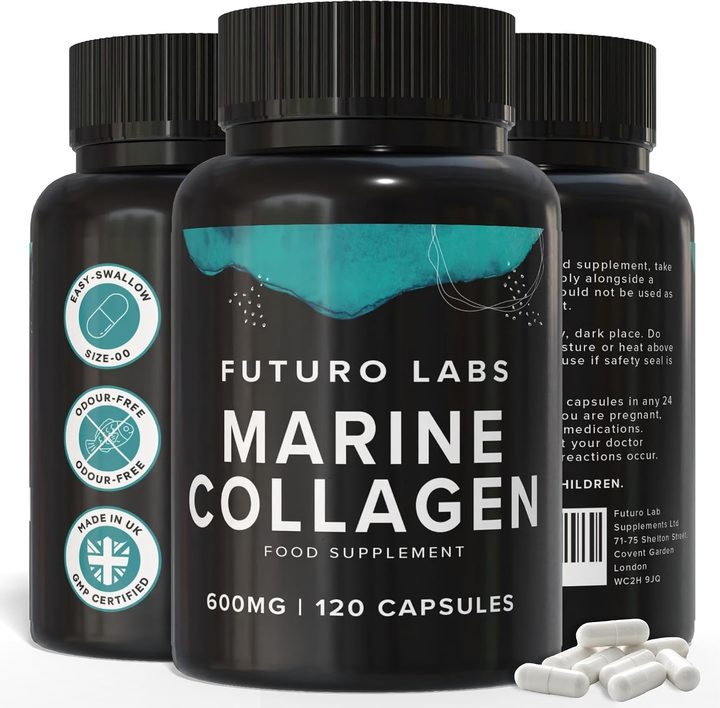
Our brand: the worked example on this page
Futuro Labs Marine Collagen
- 28p a day
- 120 capsules, 2 capsules daily
- Lab tested
- Made in the UK
Positioned exactly where the trials leave it: Futuro Labs Marine Collagen on Amazon UK, 1200mg hydrolysed type 1 with vitamin C and zinc at 15% NRV, £16.99 for 60 days at 28p, never sold for the job whey won. Full label breakdown. The empty marine-bovine shelf is on the studies page; the two stacks' verdicts on the muscle page.
The stocked shelf, and why it exists when so many comparison shelves stand empty
This section has spent pages reporting empty head-to-head shelves, marine never raced against bovine, type never raced against type, so record the exception properly: whey versus collagen has been raced, directly, in randomised trials, and the shelf is stocked for a reason worth understanding. Comparisons get funded when someone expects to win them, and here both hypotheses had backers, sports nutrition expecting whey's completeness to tell, and collagen researchers testing whether peptide supplements could hold their own for muscle endpoints, particularly in older adults where any protein might help, so the experiments were run: acute studies feeding matched doses of whey and collagen peptides and measuring the muscle protein synthesis response over the following hours with tracer methods, and longer randomised trials supplementing older adults, frequently older women, through weeks of resistance training with one protein or the other and measuring lean mass and strength at the end. Real contests, same course, same clock, the design every other versus page on this site wishes existed for its own contestants, and the results published either way, which is what separates a stocked shelf from a marketing citation.
What the papers found, the mechanism they confirmed, and the honest edges of the shelf
Read the findings plainly: whey won. The acute tracer studies found whey producing the greater muscle protein synthesis response dose for dose, collagen's matched serving moving the needle less, in some comparisons little more than the control condition, exactly the outcome its leucine content predicted; and the longer training trials in older adults found lean-mass and strength gains favouring whey over matched collagen supplementation, the composition gap surviving weeks of real training rather than washing out. The mechanistic satisfaction deserves its sentence: this is the rare aisle contest where the label arithmetic, whey's triple leucine and full essential profile against collagen's absent tryptophan, was tested in living muscle and confirmed, the panels page's paper knockout replicated in vivo, theory and trial agreeing in public. The honest edges then keep the shelf honest: these were muscle-endpoint contests, so they crown whey for the protein job and say nothing about collagen's own two lanes, the cofactor habit and the connective-tissue pre-loading protocol, which were never on this course and whose evidence stands or stoops on its own separate pages; some collagen-arm studies in the wider literature show minor gains where any extra protein would, the rising-tide reading rather than a collagen effect; and a stray positive collagen paper exists here as everywhere, small, sponsor-adjacent, outweighed by the consistent direction of the direct comparisons. The verdict the stocked shelf writes: for muscle, whey, and for once the sentence cites a race actually run rather than an absence, which is the strongest kind of verdict this aisle ever produces.
| The shelf | What was run | What it found |
|---|---|---|
| The acute tracer studies | Matched doses, synthesis measured over hours | Whey's response greater, dose for dose |
| The training trials | Older adults, weeks of resistance work, one protein each | Lean mass and strength favoured whey |
| The mechanism check | Label arithmetic tested in living muscle | Leucine and completeness gap confirmed in vivo |
| The shelf's edges | Muscle endpoints only | Collagen's own lanes were never on this course |
| The stray positives | Small, sponsor-adjacent exceptions | Outweighed by the consistent direction |
| The verdict's rarity | A contest actually run | The strongest kind this aisle produces |
The verdict, cited from a race that happened
Collagen vs whey protein, the studies: the shelf is stocked, the acute tracer work and the training trials in older adults both ran the direct comparison, and whey won on the muscle endpoints the contest measured, confirming in living tissue the leucine and completeness gap every label predicted, with collagen's own defensible lanes untouched because they were never on the course. The worked example stands exactly where the papers leave it: Futuro Labs Marine Collagen, 1200mg hydrolysed type 1 with 12mg vitamin C and 1.5mg zinc at 15% NRV, lab tested, UK made, £16.99 for 60 days at 28p a day, sold for its cofactors' sentences and its protocol lane, and never for the job the stocked shelf settled.
What to check on the label
- This shelf is actually stocked: direct whey-versus-collagen trials exist.
- The acute studies scored whey higher: synthesis dose for dose.
- The training trials agreed: lean mass favoured whey in older adults.
- The mechanism was confirmed in vivo: leucine arithmetic made flesh.
- The edges stay honest: collagen's own lanes were never on this course.
Our brand
The worked example: Futuro Labs Marine Collagen
Futuro Labs Marine Collagen: 2 capsules daily, 1200mg hydrolysed type 1 marine collagen with 12mg vitamin C and 1.5mg zinc (15% NRV each), 120 capsules for £16.99, 60 days at 28p a day, lab-tested, UK GMP made. Slim veggie-shell capsules, odour free. Fish derived: pescatarian, not vegetarian or vegan.
- Collagen per serving
- 1200mg hydrolysed type 1 marine (fish)
- Co-factors
- vitamin C 12mg (15% NRV), zinc 1.5mg (15% NRV)
- Serving
- 2 capsules a day
- Bottle
- 120 capsules, 60 days
- Price
- £16.99 (28p a day)
- Capsule
- slim size 00, veggie shell, odour free
Questions people also ask
Have studies directly compared collagen and whey?
Yes, unusually for this aisle: acute tracer studies on muscle protein synthesis and longer resistance-training trials in older adults ran the head-to-head, and whey won both kinds.
What exactly did the trials find?
Dose for dose, whey produced the greater synthesis response, and over weeks of training the lean-mass and strength outcomes favoured whey over matched collagen.
Why did collagen lose the comparisons?
Composition: absent tryptophan and roughly a third of whey's leucine, the label arithmetic the trials confirmed in living muscle.
Do these studies rule out collagen entirely?
No: they settle the muscle question only. The cofactor habit and the connective-tissue pre-loading protocol were never on this course and stand on their own pages' evidence.
What about studies where collagen groups improved?
Mostly the rising tide of any extra protein alongside training, plus occasional small sponsor-adjacent positives: the direct comparisons' consistent direction outweighs them.
Sources
- The direct comparison trials: randomised studies pitting whey against collagen peptides on muscle protein synthesis and lean mass, in which whey consistently produced the greater anabolic response. PubMed record
- Comparative protein research: the leucine content of a protein drives its muscle protein synthesis response, with whey outperforming collagen in direct comparisons. PubMed record
- The protein quality literature: scoring systems such as PDCAAS and DIAAS rate proteins by essential amino acid completeness and digestibility, with collagen scoring at or near zero for lacking tryptophan. PubMed record
- Review literature on protein intake and muscle mass in older adults: higher protein intakes support the maintenance of muscle in ageing, the evidence base behind the register's protein and muscle-mass claims mattering more with age. PubMed record