Ghost Fitness/Collagen/Collagen vs whey protein: which is better?
Collagen vs whey protein: which is better?
The short answer
Interview both for two jobs: whey is hired for muscle on its leucine and protein claims, collagen is hired only for the pre-loading protocol whey never studied. Different tools, and if the budget buys one tub, it buys whey.
- Job A: musclewhey hired: leucine, completeness, the protein claims
- Job B: the protocolcollagen hired: the 15g-with-C literature whey never entered
- The wrong hirescollagen for muscle fails; whey for the protocol never applied
- The one-tub budgetwhey, without hesitation: the target outranks the rider
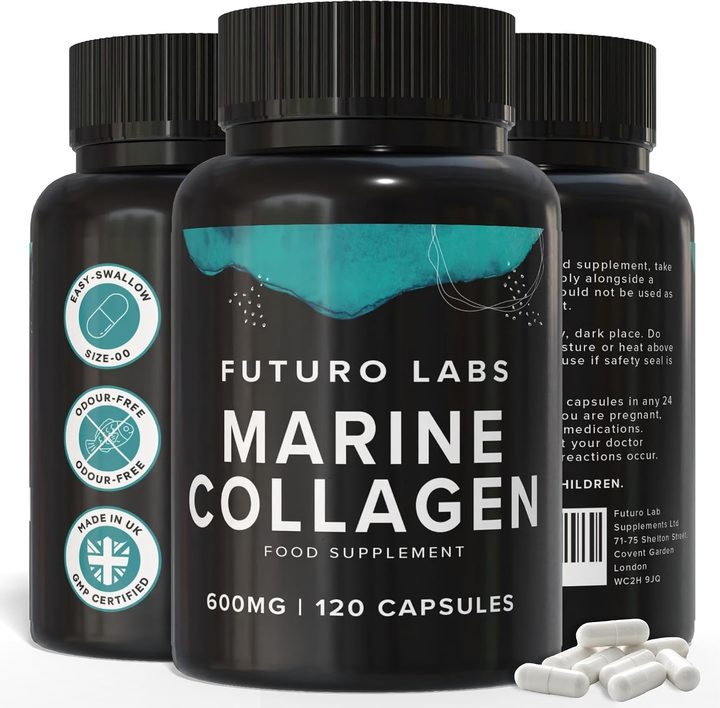
Our brand: the worked example on this page
Futuro Labs Marine Collagen
- 28p a day
- 120 capsules, 2 capsules daily
- Lab tested
- Made in the UK
Job B's habit-scale candidate, honestly credentialed: Futuro Labs Marine Collagen on Amazon UK, 1200mg hydrolysed type 1 with vitamin C and zinc at 15% NRV, £16.99 for 60 days at 28p. Full label breakdown. The side-by-side panels are on the panels page; the muscle audit on the muscle growth page.
Job A, muscle protein synthesis: two candidates interviewed, one hired fast
Run the comparison as two job interviews, because the tubs were never rivals for one post, and the format makes every verdict earn its reasons. Job A, supporting muscle growth and maintenance, the post most searchers mean. Whey's interview is short and decisive: a complete protein carrying all nine essential amino acids, around 2.5g of leucine per 25g serving, comfortably clearing the per-meal trigger the synthesis literature discusses, top marks on the formal protein quality scales, decades of training studies behind it, and, decisively for this site's standards, the register's actual sentences on its side, protein contributes to the growth and maintenance of muscle mass, lawful words on a lawful label. Hired. Collagen's interview for the same post is the muscle page's audit replayed in a minute: protein by headline, incomplete by panel, tryptophan absent entirely, leucine at a third of whey's, near zero on the quality scales, no muscle claim at any dose, and its three retreat positions, the protein grams, the glycine story, the connective flank, each collapsing under the questions its own pages asked. Not hired, with the interviewer's note that the candidate applied for the wrong job.
Job B, the pre-loading protocol, the wrong-hire warnings, and the one-tub budget
Job B, the connective-tissue pre-loading protocol, a genuine if modest post: roughly 15g of gelatin or hydrolysed collagen with vitamin C about an hour before loading work, the stop-two research lane with its engineered-tissue roots and synthesis-marker studies, expectations flat, physio informed. Collagen's interview here is the only one it passes, being literally the study material, gelatin or hydrolysate per the spec pages, at powder scale, with the C aboard on purpose. Hired, on a research-grade contract. Whey never applied: the protocol literature was not built on it, whey-and-C is not the studied combination, and completeness is no credential for a signalling-and-timing story, so the post stays collagen's uncontested. The wrong-hire warnings then write themselves: collagen bought for muscle wastes protein money on the shelf's weakest grams, the commonest mis-hire in the aisle, and whey force-fitted into protocol duties is a reader improvising outside the literature, while the blend, both candidates stapled into one CV, dilutes Job A's leucine without improving Job B's dose, the two-mediocre-halves verdict from the panels page. The budget close, for the reader who can stock one tub: whey, without hesitation, because Job A's protein target, 1.2 to 2.2g per kilogram for a training adult, outranks Job B's optional adjunct in every hierarchy this site draws, collagen joining later, if at all, as the 28p habit carrying its vitamin C and zinc sentences or the protocol scoop a physio conversation approves. Two jobs, two hires, no rivalry, and better retired as the wrong word for a staffing question.
| The post | Whey's interview | Collagen's interview |
|---|---|---|
| Job A: muscle | Complete, leucine-rich, claim-holding: HIRED | Incomplete, tryptophan absent, no claims: not hired |
| Job B: the protocol | Never applied: the literature wasn't built on it | The study material itself: HIRED, research-grade |
| The blend CV | Job A's leucine diluted | Job B's dose unimproved: two mediocre halves |
| The commonest mis-hire | Rare: whey seldom oversold | Collagen bought for muscle: the aisle's standing error |
| The one-tub budget | The hire: the target outranks the rider | Joins later at 28p, or at protocol scale via the physio |
| The register's word | Muscle mass claims held | Vitamin C and zinc sentences carried, nothing more |
The verdict, filed as two contracts rather than one crown
Collagen vs whey protein: better was the wrong word, the honest outcome being two contracts, whey hired for muscle on leucine, completeness and the register's own claims, collagen hired for the pre-loading protocol it alone was studied in, each a mis-hire in the other's post and the blend a worse CV than either, with the one-tub budget going to whey because a protein target outranks an optional adjunct everywhere this site keeps score. The worked example signs collagen's honest contract at habit scale: Futuro Labs Marine Collagen, 1200mg hydrolysed type 1 with 12mg vitamin C and 1.5mg zinc at 15% NRV, lab tested, UK made, £16.99 for 60 days at 28p a day, employed for exactly the sentences on its panel, alongside a whey tub doing the job it was always going to win.
What to check on the label
- Two jobs, not one crown: the tubs were never rivals for a single post.
- Whey takes muscle: leucine, completeness, and the lawful claims.
- Collagen takes the protocol: the one interview it passes, research-grade.
- The blend fails both: diluted leucine, unimproved dose.
- One tub means whey: the target outranks the rider, always.
Our brand
The worked example: Futuro Labs Marine Collagen
Futuro Labs Marine Collagen: 2 capsules daily, 1200mg hydrolysed type 1 marine collagen with 12mg vitamin C and 1.5mg zinc (15% NRV each), 120 capsules for £16.99, 60 days at 28p a day, lab-tested, UK GMP made. Slim veggie-shell capsules, odour free. Fish derived: pescatarian, not vegetarian or vegan.
- Collagen per serving
- 1200mg hydrolysed type 1 marine (fish)
- Co-factors
- vitamin C 12mg (15% NRV), zinc 1.5mg (15% NRV)
- Serving
- 2 capsules a day
- Bottle
- 120 capsules, 60 days
- Price
- £16.99 (28p a day)
- Capsule
- slim size 00, veggie shell, odour free
Questions people also ask
Should I take collagen or whey?
Name the job first: muscle goals hire whey on its leucine, completeness and protein claims, while collagen's only passing interview is the 15g pre-loading protocol whey was never studied in.
Can collagen replace whey after a workout?
No: a third of the leucine, no tryptophan, near zero on protein quality scales and no muscle claim make it the aisle's commonest mis-hire for that post.
Is there any job whey can't do that collagen can?
One: the connective-tissue pre-loading protocol, roughly 15g with vitamin C before loading work, the research lane built on gelatin and hydrolysates, not whey.
What about taking both together?
Fine as two separate products doing their separate jobs: the pre-mixed blend is the worse option, diluting whey's leucine without improving the protocol dose.
If I can only afford one tub, which?
Whey: the daily protein target outranks the optional collagen habit in every honest hierarchy, with collagen joining later at 28p or at protocol scale via a physio conversation.
Sources
- Comparative protein research: the leucine content of a protein drives its muscle protein synthesis response, with whey outperforming collagen in direct comparisons. PubMed record
- The protein quality literature: scoring systems such as PDCAAS and DIAAS rate proteins by essential amino acid completeness and digestibility, with collagen scoring at or near zero for lacking tryptophan. PubMed record
- The gelatin and vitamin C pre-exercise research (Shaw, Baar and colleagues): 15g gelatin with vitamin C taken about an hour before loading, studied for markers of collagen synthesis, the protocol behind the tendon-training conversation. PubMed record
- Review literature on protein intake and muscle mass in older adults: higher protein intakes support the maintenance of muscle in ageing, the evidence base behind the register's protein and muscle-mass claims mattering more with age. PubMed record