Ghost Fitness/Omega-3/Is rancid fish oil harmful?
Is rancid fish oil harmful?
The short answer
Harmful on three levels, each with its own evidence. Useless: oxidation consumes EPA and DHA, so a rancid oil delivers less of what was bought. Unpleasant: the aldehydes taste of paint, burp for hours and upset the gut. Possibly harmful: animal and a few small human studies show oxidised oils worsening lipids and inflammatory markers, with the human evidence thin. The instruction at every level: bin it, buy fresh, store cool.
- Uselessoxidation consumes EPA and DHA: less of what was bought; the surveys find a meaningful share of shelf oils over the limits
- Unpleasantaldehydes and peroxides: a paint taste, burps for hours, gut upset
- Possibly harmfulanimal and a few small human studies: worsened lipids and inflammatory markers; thin human evidence; no serious injury recorded
- The instructionbin it; a fresh tub with a recent date; cool, dark, closed, finished within months; a TOTOX under 26
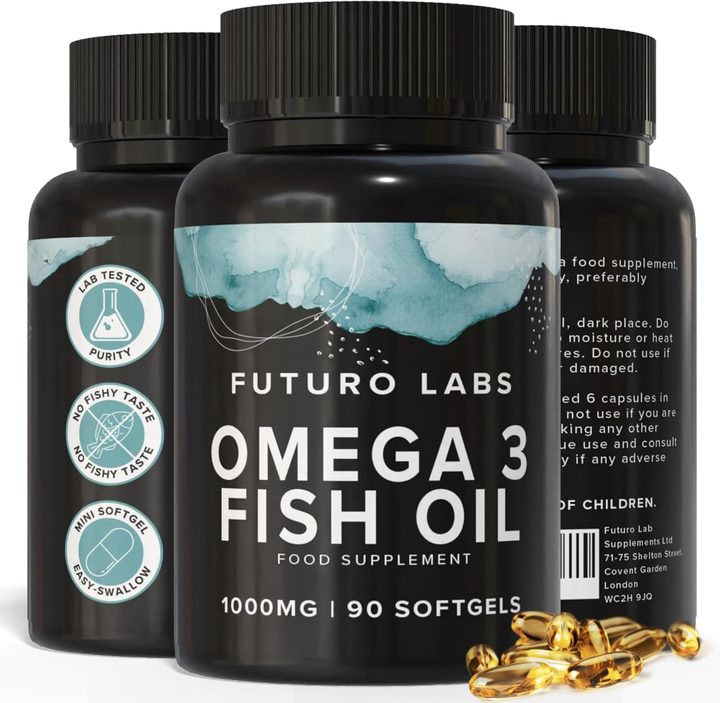
Our brand: the worked example on this page
Futuro Labs Omega 3 Fish Oil
- 17p a day
- 90 softgels, 1 softgel daily
- Lab tested
- Made in the UK
A lab-tested softgel from a fresh tub: Futuro Labs Omega 3 Fish Oil on Amazon UK, 1 softgel with food, 180mg EPA and 120mg DHA, lab-tested purity, 90 for £14.99 at 17p. Full label breakdown. The rancid checks are on the rancid page; storage on the storage page.
The first two levels, useless and unpleasant, which are certain
Is rancid fish oil harmful is a question with three answers stacked on each other, and the first two are certain while the third is the one the internet argues about. Useless, the first level: oxidation is oxygen attacking the double bonds that make EPA and DHA what they are, and every double bond attacked is a molecule of omega-3 that no longer is, converted into peroxides and then into the aldehydes that give a rancid oil its smell, so a rancid softgel delivers less of the EPA and DHA the reader paid for and more of the breakdown products, the tub's nutrient table describing what went in rather than what is left, and the retail surveys of fish oils in several countries finding a meaningful share over the industry monograph's limits of a peroxide value of 5, an anisidine value of 20 and a TOTOX of 26, the oxidation literature's finding and the reason freshness is a quality dimension every omega-3 page here ends on. A reader who takes a rancid oil for the 250mg heart claim may be taking 150mg of actives and 150mg of breakdown, and does not know it without a certificate or a bite. Unpleasant, the second level: the aldehydes taste of paint, old nuts or a fishmonger at closing time, they repeat as burps for hours whatever the timing and whatever the meal, since the smell is in the oil and not in the stomach's handling of it, and they upset the gut, nausea and loose stools being commoner on an oxidised oil, the burp pages' finding that the burp that lasts all day is a rancid one, so a reader who has met a rancid tub has met the second level in their own mouth and needs no study to confirm it.
The third level, possibly harmful, graded honestly, the instruction that is the same at every level, and the question filed
Possibly harmful, the third level, deserves an honest grade because the shelf oversells it in both directions. What the evidence shows: in animal studies, oxidised fish oils fed over weeks worsen lipid profiles, raise inflammatory markers and stress the liver, the peroxides and aldehydes being reactive molecules that a body must detoxify; and in a few small human studies, oxidised oil over weeks has produced worse lipid changes than fresh oil, a rise in the LDL cholesterol a fresh oil leaves alone or lowers, and less favourable inflammatory markers, the opposite direction to the maintenance sentences a fish oil is taken for, the oxidised oil literature's summary. What the evidence does not show: any serious injury, organ damage or acute illness from a rancid fish oil supplement in a human, the pharmacovigilance record being silent on it, so a reader who has taken a rancid tub for a month has been shortchanged and mildly ill-served rather than poisoned, and the human evidence for the third level is thin, a handful of small studies rather than a trial. The honest grade, then: certainly useless, certainly unpleasant, plausibly and modestly harmful to the lipids and markers the oil was meant to help, and not dangerous in the way a mineral overdose or a liver-injuring botanical is. The instruction is the same at every level, which is why the grade matters less than it seems: a rancid oil is binned, not finished; a new tub is bought with a recent best-before, from a seller who moves stock; it lives in a cool dark cupboard or the fridge with the lid closed and is finished within a couple of months of opening; a softgel is bitten now and then and should taste mildly of fish rather than of paint; and a certificate reader asks for the batch's TOTOX and expects under 26. The question filed: rancid fish oil is useless, having lost the actives to oxidation, unpleasant, tasting of paint and burping for hours, and possibly harmful, worsening lipids and markers in animal and a few small human studies without any serious injury recorded, with the instruction the same at every level, bin it, buy fresh and store cool, and the worked example being a lab-tested softgel from a fresh tub, one at 17p, £14.99 for 90.
| The level | What happens | The evidence |
|---|---|---|
| Useless | Oxidation consumes EPA and DHA; peroxides and aldehydes take their place | Certain; the surveys find a meaningful share of shelf oils over the limits |
| Unpleasant | A paint or old-nut taste; burps for hours whatever the timing; gut upset | Certain; a reader's own mouth confirms it |
| Possibly harmful | Worsened lipids and inflammatory markers over weeks | Animal studies and a few small human ones; thin; no serious injury recorded |
| The honest grade | Shortchanged and mildly ill-served, not poisoned | The opposite direction to the sentences the oil is taken for |
| The instruction | Bin it; buy fresh; cool, dark, closed; finished within months | The same at every level |
| The checks | A bite test; the date; the tub's storage; a TOTOX under 26 | Before the tub is opened and now and then after |
The verdict, three levels of harm, two certain and one plausible, and one instruction for all three
Is rancid fish oil harmful: on three levels, certainly useless, oxidation having consumed the EPA and DHA a reader paid for and replaced them with peroxides and aldehydes, with the surveys finding a meaningful share of shelf oils over the monograph's limits; certainly unpleasant, the aldehydes tasting of paint, burping for hours whatever the timing and upsetting the gut; and possibly harmful, animal studies and a few small human ones showing oxidised oils worsening lipids and inflammatory markers in the opposite direction to what a fish oil is for, with the human evidence thin and no serious injury recorded, so that the honest grade is shortchanged and mildly ill-served rather than poisoned and the instruction is the same at every level, bin it, buy fresh and store cool. A lab-tested softgel from a fresh tub: Futuro Labs Omega 3 Fish Oil, one with food, 180mg EPA and 120mg DHA, 90 for £14.99 at 17p a day.
What to check on the label
- Count the first level as certain: a rancid oil has lost its actives.
- Count the second as certain: paint, burps for hours, gut upset.
- Grade the third honestly: plausible, modest, thin human evidence.
- Bin it at any level: never finish a rancid tub.
- Buy fresh and store cool: a bite test, the date, a TOTOX under 26.
Our brand
The worked example: Futuro Labs Omega 3 Fish Oil
Futuro Labs Omega 3 Fish Oil: 1 softgel daily with food, 1000mg fish oil providing 180mg EPA and 120mg DHA (300mg combined), 90 softgels for £14.99, 17p a day, lab-tested purity, UK GMP made. Gelatin shell, so not vegetarian.
- Fish oil per softgel
- 1000mg
- EPA / DHA per softgel
- 180mg / 120mg (300mg combined)
- Serving
- 1 softgel a day
- Bottle
- 90 softgels, 90 days
- Price
- £14.99 (17p a day)
- Softgel
- mini softgel, no fishy taste
Questions people also ask
What happens if you take rancid fish oil?
You get less EPA and DHA than the label says, since oxidation has consumed it, and more peroxides and aldehydes, which taste of paint, burp for hours and upset the gut; over weeks, animal studies and a few small human ones show oxidised oils worsening lipids and inflammatory markers, with no serious injury recorded in humans.
Can rancid fish oil make you sick?
Mildly: nausea, loose stools and hours of painty burps are commoner on an oxidised oil, and that is the extent of the acute effect, with no organ damage or serious illness recorded from a rancid fish oil supplement, so a reader who has taken one for a month has been shortchanged and mildly ill-served rather than poisoned.
Does oxidised fish oil still contain omega-3?
Less than the label says: every double bond oxygen attacks is a molecule of EPA or DHA that no longer is, so a rancid softgel may deliver half its stated actives and half breakdown products, the nutrient table describing what went in rather than what is left.
How do I know if my fish oil has gone rancid?
Bite a softgel: fresh oil tastes mildly of fish and rancid oil of paint or old nuts; check the best-before and how long the tub has been open; think about where it has lived, a sunny sill or a hot car being enough; and, for a certificate reader, ask for the batch's TOTOX and expect under 26.
Is it safe to finish a tub of fish oil that has started to smell?
No: a smell that has turned painty means the oil has oxidised, and finishing it delivers breakdown products rather than omega-3 while risking the lipid and marker changes the small studies show, so the tub is binned and replaced with a fresh one stored cool and dark.
Sources
- The oxidised fish oil literature: oxidised oils carry less EPA and DHA and more aldehydes and peroxides, taste and smell rancid, cause gut upset, and in animal and a few small human studies show adverse effects on lipids and inflammatory markers, with the human evidence thin and the practical harms being lost benefit and discomfort. PubMed record
- The fish oil oxidation literature: oxidation is measured by peroxide value, anisidine value and their combination as TOTOX, with the industry monograph setting limits of 5, 20 and 26 respectively, and surveys of retail fish oils finding a meaningful share above those limits, freshness being a quality dimension a label rarely shows and a certificate does. PubMed record
- Meta-analytic evidence on omega-3 fatty acids and LDL cholesterol: triglyceride lowering is the consistent effect, with LDL unchanged or modestly raised, particularly with DHA-containing preparations. PubMed record
- Classic absorption work on fish oil ethyl esters: uptake is markedly higher when ethyl ester omega-3 is taken with a high-fat meal, narrowing the gap to triglyceride forms. PubMed record