Ghost Fitness/Omega-3/Do omega-3s affect testosterone?
Do omega-3s affect testosterone?
The short answer
The one study the forum quotes, read properly: a large cohort of young men in which fish oil users had larger testes, higher semen volume and lower FSH and LH than non-users, cross-sectional, comparing men who chose fish oil with men who did not, with no testosterone rise shown and no trial behind it. The randomised trials in men report no consistent change in testosterone. No for the hormone; a research signal for semen quality.
- The cohortyoung men; fish oil users had larger testes, higher semen volume and sperm count, lower FSH and LH
- Its limitscross-sectional: men who chose fish oil versus men who did not; no testosterone rise reported; no trial since
- The trialsrandomised fish oil in men: no consistent change in testosterone at any dose
- The verdictno for testosterone; a research signal for semen quality; no claim
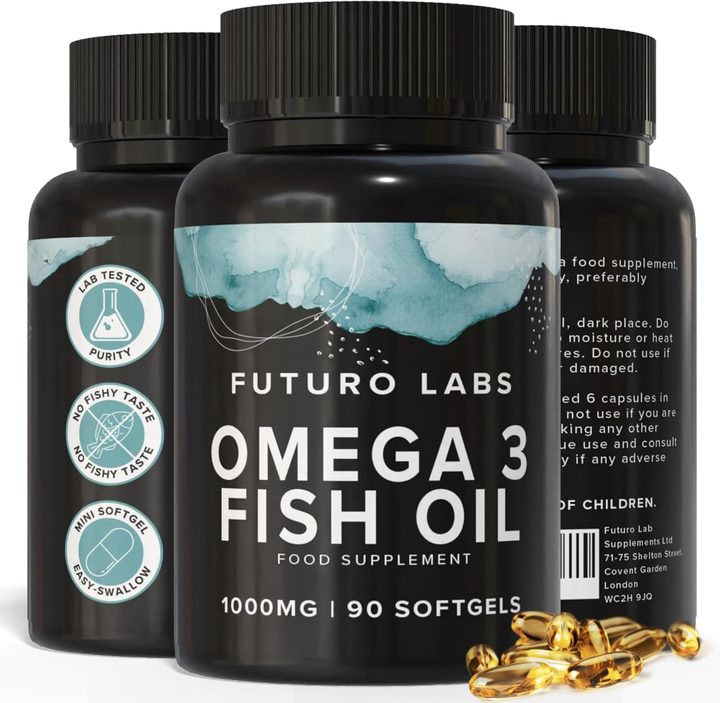
Our brand: the worked example on this page
Futuro Labs Omega 3 Fish Oil
- 17p a day
- 90 softgels, 1 softgel daily
- Lab tested
- Made in the UK
A softgel for the audit, not the hormone: Futuro Labs Omega 3 Fish Oil on Amazon UK, 1 softgel with food, 180mg EPA and 120mg DHA, 90 for £14.99 at 17p. Full label breakdown. The full testosterone question is on the increase-testosterone page; the female version on the DHA and females page.
The one study the forum quotes, and what it actually found, measured and compared
Do omega-3s affect testosterone is a question that, on a lifting forum, is answered with one study, and the honest page reads that study properly, because it is a good study that says something and the forum has it saying something else. The study: a large cohort of young Danish men presenting for a fitness examination, several hundred of whom reported taking fish oil supplements, compared with the majority who did not, on semen analysis, testicular volume and a hormone panel. What it found: the fish oil users had larger testicular volume, higher semen volume and higher total sperm count, and lower FSH and LH, the pituitary hormones that drive the testes, with the differences larger in men who had taken fish oil for longer, the omega-3 and testosterone literature's cohort. What it did not find is the point: it did not find higher testosterone. Total testosterone did not differ between users and non-users, and the number the paper reported was a higher ratio of free testosterone to LH in users, which is a measure of how much testosterone the testes make per unit of pituitary drive, interpreted as the testes working more efficiently rather than the level being higher, so a reader who quotes the study as fish oil raises testosterone is quoting a finding the study did not make. What it compared is the other point: it was cross-sectional, a snapshot comparing men who chose to take fish oil with men who did not, and the kind of young man who takes fish oil differs from the kind who does not in ways a snapshot cannot remove, in diet, training, smoking, alcohol, health interest and the rest, so the study can show an association and cannot show that the fish oil caused it, the authors saying so and calling for a trial, which, as of the site's reading, has not been done.
The trials that have been done, the semen signal kept in its place, what moves a testosterone result, and the study filed
The trials that have been done are the ones that answer the hormone question directly, and they are randomised: fish oil given to men against placebo, at doses from a gram to several grams a day over weeks to months, with testosterone measured, and they report no consistent change, the same literature's trial arm, so the hormone answer is no at any dose, which is consistent with the cohort, since the cohort did not find a testosterone difference either, and the forum's version is the only account in which the two disagree. The semen signal is kept in its place: larger testes, more semen and more sperm in fish oil users is a real association worth a trial, and a man with a fertility question has a reason to eat oily fish and, with a fertility clinic's knowledge, to take a standard softgel while the trial is awaited, the zinc-and-semen pages' companion finding for another nutrient, but it is a research signal and no claim, and it says nothing about testosterone, the number a lifter actually means. What moves a testosterone result is the list the testosterone-lifestyle literature gives: the time of day the blood was drawn, morning highest; sleep, a week of short nights dropping it measurably; body fat, since adipose converts testosterone to oestrogen; alcohol; a hard diet phase, a large deficit lowering it; and overtraining, with a standard softgel appearing nowhere on the list and a low reading being a GP's question and not a supplement's. The register's authorised claims for testosterone belong to zinc, which contributes to the maintenance of normal testosterone levels in the blood, a maintenance claim about a normal level and not a rise, and no omega-3 claim mentions any hormone. The study filed: a cross-sectional cohort in which fish oil users had larger testes, more semen and lower FSH and LH but not higher testosterone, a research signal for semen quality awaiting a randomised trial, randomised trials in men finding no consistent change in testosterone, and a softgel taken for the audit rather than the hormone, £14.99 for 90 at 17p.
| The evidence | What it found | What it means |
|---|---|---|
| The cohort of young men | Fish oil users: larger testes, more semen and sperm, lower FSH and LH | A real association for semen quality |
| The same cohort on testosterone | Total testosterone no different; a higher free testosterone to LH ratio | Not a rise; efficiency, if anything |
| Its design | Cross-sectional: men who chose fish oil versus men who did not | Association, not cause; a trial called for and not done |
| The randomised trials in men | No consistent change in testosterone at any dose | No for the hormone |
| What moves a result | Time of day, sleep, body fat, alcohol, a deficit, overtraining | None of them a softgel |
| The register | Zinc: maintenance of normal testosterone; no omega-3 hormone claim | A softgel for the audit |
The verdict, a good study misquoted, trials that say no, and a semen signal awaiting its trial
Do omega-3s affect testosterone: the one study the forum quotes, read properly, is a large cross-sectional cohort of young men in which fish oil users had larger testes, higher semen volume and sperm count, and lower FSH and LH than non-users, with total testosterone no different and a higher free testosterone to LH ratio reported as efficiency rather than a rise, comparing men who chose fish oil with men who did not and so unable to show cause, with a trial called for and not done, while the randomised trials of fish oil in men report no consistent change in testosterone at any dose, so the answer is no for the hormone and a research signal for semen quality that a trial has yet to test, a low reading being a GP's question and the testosterone claim belonging to zinc. A softgel for the audit and not the hormone: Futuro Labs Omega 3 Fish Oil, one with food, 180mg EPA and 120mg DHA, 90 for £14.99 at 17p a day.
What to check on the label
- Read the cohort for what it measured: semen and pituitary hormones, not a testosterone rise.
- Read it for what it compared: men who chose fish oil versus men who did not.
- Trust the trials for the hormone: no consistent change.
- Keep the semen signal as research: a fertility clinic's conversation, no claim.
- Fix a low reading with the list that moves it: sleep, fat, alcohol, the deficit, a GP.
Our brand
The worked example: Futuro Labs Omega 3 Fish Oil
Futuro Labs Omega 3 Fish Oil: 1 softgel daily with food, 1000mg fish oil providing 180mg EPA and 120mg DHA (300mg combined), 90 softgels for £14.99, 17p a day, lab-tested purity, UK GMP made. Gelatin shell, so not vegetarian.
- Fish oil per softgel
- 1000mg
- EPA / DHA per softgel
- 180mg / 120mg (300mg combined)
- Serving
- 1 softgel a day
- Bottle
- 90 softgels, 90 days
- Price
- £14.99 (17p a day)
- Softgel
- mini softgel, no fishy taste
Questions people also ask
Does fish oil increase testosterone?
No: the randomised trials of fish oil in men report no consistent change in testosterone at any dose, and the cohort study the forums quote found total testosterone no different between fish oil users and non-users, reporting a higher free testosterone to LH ratio that means efficiency rather than a rise.
What did the Danish fish oil study actually find?
That young men who reported taking fish oil had larger testicular volume, higher semen volume and total sperm count, and lower FSH and LH than non-users, in a cross-sectional comparison of men who chose fish oil with men who did not, which shows an association for semen quality, not a cause and not a testosterone rise, with a randomised trial called for and not done.
Does fish oil improve sperm quality?
There is a research signal: fish oil users in a large cohort had more semen and more sperm, an association worth a trial that has not been run, so a man with a fertility question has a reason to eat oily fish and, with a fertility clinic knowing, to take a standard softgel, as a research finding and not a claim.
What actually lowers testosterone in lifters?
Short sleep, a large diet deficit, high body fat that converts testosterone to oestrogen, alcohol, overtraining and the time of day the blood was drawn, which is why a low reading is a GP's question and a lifestyle audit rather than a supplement's, with no fish oil dose on the list either way.
Is there an omega-3 health claim for testosterone?
No: the only authorised testosterone claim belongs to zinc, which contributes to the maintenance of normal testosterone levels in the blood, a maintenance claim about a normal level, and no omega-3 claim mentions testosterone or any other hormone.
Sources
- The omega-3 and testosterone literature: randomised trials of fish oil in men report no consistent change in testosterone, a large cohort of young men found fish oil use associated with better semen parameters and higher testis volume with testosterone essentially unchanged, and small trials in women with polycystic ovary syndrome are mixed, with no authorised testosterone claim for omega-3. PubMed record
- The zinc and male reproduction literature: zinc is concentrated in the prostate and seminal fluid, zinc deficiency lowers sperm quality and testosterone, and repletion in deficient men restores both, the basis of zinc's fertility and testosterone-maintenance claims and of no effect in replete men. PubMed record
- The lifestyle and testosterone literature: sleep restriction lowers testosterone in healthy young men within a week, weight loss raises it in men with obesity, resistance training raises it acutely and supports it chronically, and treating a genuine deficiency of zinc or vitamin D restores it, while no supplement raises it above a man's own normal. PubMed record
- Retained Regulation (EC) No 1924/2006 on nutrition and health claims made on foods, and the Great Britain nutrition and health claims register. https://www.gov.uk/government/publications/great-britain-nutrition-and-health-claims-nhc-register