Ghost Fitness/Omega-3/Does omega-3 help with nails?
Does omega-3 help with nails?
The short answer
No: no omega-3 nail trial exists and no nail claim, the register's nail sentences belonging to zinc, selenium and biotin. The nail's own clock sets the frame, a fingernail growing about three millimetres a month and taking six months to regrow, so any change takes a season to show. Brittle nails are caused mainly by wetting and drying, with iron, thyroid and age among the medical causes.
- The register's nail rosterzinc, selenium, biotin: maintenance of normal nails; omega-3: absent, and no nail trial
- The nail's clockabout three millimetres a month; around six months to regrow fully
- The commonest cause of brittle nailsrepeated wetting and drying: showers, dishes, and a lifter's chalk
- The medical causesiron deficiency, thyroid disease, age, some medicines: a GP
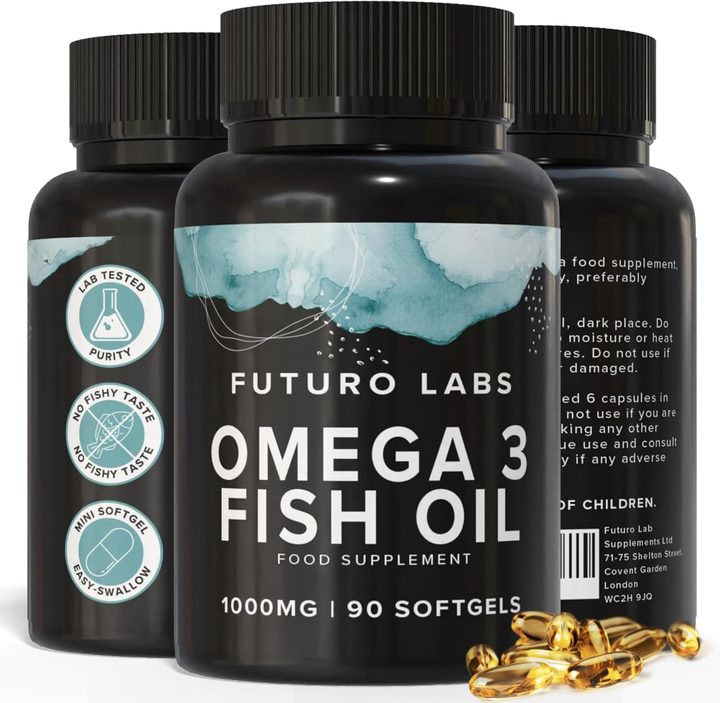
Our brand: the worked example on this page
Futuro Labs Omega 3 Fish Oil
- 17p a day
- 90 softgels, 1 softgel daily
- Lab tested
- Made in the UK
Omega-3 for its own sentences, with no nail word: Futuro Labs Omega 3 Fish Oil on Amazon UK, 1 softgel with food, 180mg EPA and 120mg DHA, 90 for £14.99 at 17p. Full label breakdown. The magnesium and nails page is here; the hair clock on the hair clock page.
No nail claim and no nail trial, the roster that holds the sentences, and the nail's own clock
Does omega-3 help with nails is answered no on two absences and one clock. The first absence is the claim: the register's nail sentences belong to zinc, selenium and biotin, each contributing to the maintenance of normal nails at 15% NRV or more, the nail roster the magnesium and nails page sets out, and no omega-3 entry mentions nails, so a fish oil may not print a nail sentence and a fish oil sold for nails has stepped outside the register. The second absence is the trial: no randomised trial of omega-3 for nail strength, growth or brittleness exists, the nearest being the six-month mixed-formula hair trial that measured hair and not nails, so the omega-3 nail story has neither a claim nor a study, thinner than the hair file and the skin file both. The clock: a fingernail grows about three millimetres a month and takes around six months to regrow fully from the base, a toenail a year or more, the nail biology literature's timings, so any change in nail quality from any cause, a corrected iron level, a treated thyroid or a stopped habit of wetting and drying, takes a season to become visible as new nail grows out and the old, damaged nail is trimmed away, and a reader who judges a supplement at six weeks has judged it on nail that grew before the tub was opened, the same lag the hair pages describe for the follicle. A nail question, then, is about the roster and the causes, and omega-3 is in neither.
The causes of brittle nails, the lifter's commonest one, the medical ones a GP finds, and the nail filed
The causes of brittle nails are the useful half of the page, because a reader asking whether omega-3 helps nails has nails that split, peel or break and a cause that a fish oil does not touch. The commonest cause by a distance is repeated wetting and drying: nail keratin swells with water and shrinks as it dries, and a day of showers, dishes, swimming and hand-washing cycles it dozens of times, the layers separating and the tips peeling, the nail literature's first cause and the reason nurses, hairdressers and cleaners have the most brittle nails, with the fixes being gloves for wet work, a moisturiser or nail oil after washing, and fewer cycles. A lifter's commonest cause is chalk: gym chalk is a drying agent, the point of it, and hands chalked for every set and washed after every session are wet-and-dried and desiccated in the same hour, so a lifter with peeling nails looks at the chalk bucket and the post-session shower before the supplement shelf, and moisturises after training. The medical causes a GP finds: iron deficiency, the likelier shortfall in a woman who trains, spooning or thinning the nails and found on a ferritin; thyroid disease, under or overactive, changing nail growth and found on the same blood test; age, which slows growth and dries the plate; some medicines; and fungal infection, which thickens and discolours a nail and is treated rather than supplemented. What helps nails, then, is gloves, a nail oil, less chalk-and-shower cycling, the roster's nutrients on the plate, zinc from meat and seeds, selenium from fish, eggs and Brazil nuts and biotin from eggs and dairy, and a GP for nails that change shape, colour or thickness, with omega-3 taken by the oily-fish audit for its own sentences and its nail effect left as the absence it is. The nail filed: no claim and no trial, the roster belonging to zinc, selenium and biotin, a clock of three millimetres a month and six months to regrow, wetting and drying and a lifter's chalk as the commonest causes and iron, thyroid, age and infection as the medical ones, with the worked example being omega-3 for its own sentences and no nail word, one softgel at 17p, £14.99 for 90.
| The item | The finding | The action |
|---|---|---|
| The register's nail roster | Zinc, selenium, biotin: maintenance of normal nails | On the plate: meat, seeds, fish, eggs, Brazil nuts, dairy |
| Omega-3 | No nail claim; no nail trial | Taken for its own sentences |
| The nail's clock | Three millimetres a month; six months to regrow | Any change shows at a season |
| Wetting and drying | The commonest cause of brittle nails | Gloves for wet work; a nail oil after washing |
| A lifter's chalk | A drying agent cycled with the post-session shower | Less chalk; moisturise after training |
| The medical causes | Iron deficiency, thyroid disease, age, medicines, fungal infection | A GP; a ferritin and thyroid function |
The verdict, no claim, no trial, a six-month clock, and causes a fish oil does not touch
Does omega-3 help with nails: no, on two absences and one clock, no nail claim existing for omega-3 while zinc, selenium and biotin hold the register's nail sentences, no omega-3 nail trial existing at all, and a fingernail growing about three millimetres a month and taking six months to regrow so that any change from any cause takes a season to show, with brittle nails caused mainly by repeated wetting and drying, a lifter's chalk and shower cycle being the commonest version, and iron deficiency, thyroid disease, age, medicines and fungal infection being the medical causes a GP finds, none of them touched by a fish oil. Omega-3 for its own sentences: Futuro Labs Omega 3 Fish Oil, one softgel with food, 180mg EPA and 120mg DHA, 90 for £14.99 at 17p a day.
What to check on the label
- Assign nails to their roster: zinc, selenium, biotin.
- Know there is no omega-3 nail trial: thinner than hair or skin.
- Learn the nail's clock: six months to regrow.
- Fix wetting and drying first: gloves, a nail oil, less chalk.
- Check iron and thyroid for nails that change: a GP.
Our brand
The worked example: Futuro Labs Omega 3 Fish Oil
Futuro Labs Omega 3 Fish Oil: 1 softgel daily with food, 1000mg fish oil providing 180mg EPA and 120mg DHA (300mg combined), 90 softgels for £14.99, 17p a day, lab-tested purity, UK GMP made. Gelatin shell, so not vegetarian.
- Fish oil per softgel
- 1000mg
- EPA / DHA per softgel
- 180mg / 120mg (300mg combined)
- Serving
- 1 softgel a day
- Bottle
- 90 softgels, 90 days
- Price
- £14.99 (17p a day)
- Softgel
- mini softgel, no fishy taste
Questions people also ask
Does fish oil strengthen nails?
No evidence says so: no randomised trial of omega-3 for nail strength, growth or brittleness exists and no nail claim, the register's nail sentences belonging to zinc, selenium and biotin, so a nail question is about those nutrients and the causes of brittleness rather than a fish oil.
Why are my nails brittle and peeling?
Most often repeated wetting and drying, nail keratin swelling with water and shrinking as it dries until the layers separate, from showers, dishes and hand-washing, and for a lifter from gym chalk, a drying agent, cycled with the post-session shower, with gloves, a nail oil and less cycling as the fixes.
How long does it take for nails to improve after fixing the cause?
A season: a fingernail grows about three millimetres a month and takes around six months to regrow fully from the base, so new nail grown after a corrected iron level, a treated thyroid or a stopped wetting habit becomes visible over months as the old damaged nail is trimmed away.
Which vitamins are good for nails?
The register's nail roster: zinc, selenium and biotin, which contribute to the maintenance of normal nails at 15% NRV or more, met by a plate with meat, seeds, fish, eggs, Brazil nuts and dairy, and iron where a ferritin shows it low, the likelier shortfall in a woman who trains.
When should nail changes be seen by a doctor?
When a nail changes shape, spooning or clubbing, changes colour or thickens, or when brittleness comes with fatigue or hair loss, since iron deficiency, thyroid disease and fungal infection are found and treated by a GP rather than supplemented.
Sources
- The nail biology literature: a fingernail grows about three millimetres a month and takes around six months to regrow fully, brittle nails being caused mainly by repeated wetting and drying, with iron deficiency, thyroid disease and age among the medical causes, and no omega-3 nail trial existing. PubMed record
- The GB claims register, nail entries: zinc, selenium and biotin each contribute to the maintenance of normal nails, with copper and other nutrients holding hair or skin claims, and magnesium holding no nail, hair or skin claim. https://www.gov.uk/government/publications/great-britain-nutrition-and-health-claims-nhc-register
- Retained Regulation (EC) No 1924/2006 on nutrition and health claims made on foods, and the Great Britain nutrition and health claims register. https://www.gov.uk/government/publications/great-britain-nutrition-and-health-claims-nhc-register
- Classic absorption work on fish oil ethyl esters: uptake is markedly higher when ethyl ester omega-3 is taken with a high-fat meal, narrowing the gap to triglyceride forms. PubMed record