Ghost Fitness/Magnesium/Does magnesium help with nails?
Does magnesium help with nails?
The short answer
No: magnesium holds no nail, hair or skin claim, and the register's nails sentence, a contribution to the maintenance of normal nails, belongs to zinc, selenium and biotin. Brittle or splitting nails are usually water and detergent exposure, age or iron deficiency rather than any of them, and a shortfall of a claim-holder is corrected by audit.
- Magnesium's claimsmuscle, nervous system, psychological function, fatigue, energy, bones: no nails
- The nails claim-holderszinc, selenium and biotin: maintenance of normal nails, at 15% NRV or more
- What brittle nails usually arewater and detergent exposure, age, iron deficiency, thyroid problems, fungal infection
- The honest fixgloves and moisturiser first; a claim-holder by audit; a GP for changes in shape or colour
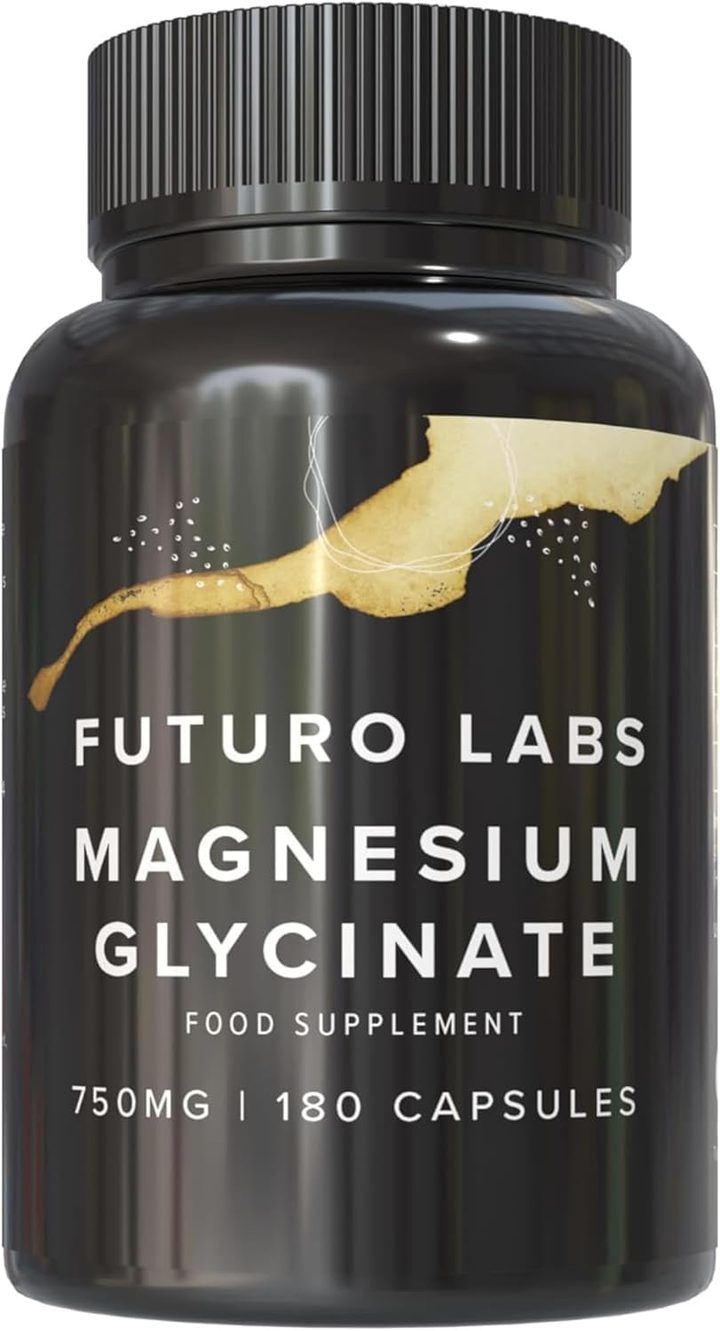
Our brand: the worked example on this page
Futuro Labs Magnesium Glycinate
- 22p a day
- 180 capsules, 2 capsules daily
- Lab tested
- Made in the UK
Magnesium for the claims it holds, none of them nails: Futuro Labs Magnesium Glycinate on Amazon UK, bisglycinate, 300mg elemental at 80% NRV, £19.99 for 90 days at 22p. Full label breakdown. The zinc claims are on the daily zinc-and-magnesium page; the benefits for women on the benefits-for-women page.
No claim for magnesium, and the nutrients that do hold the nails sentence
Does magnesium help with nails is answered by the register in one line and by the nails file in a few more. The register: magnesium's authorised claims are a contribution to normal muscle function, nervous system function, psychological function, energy-yielding metabolism, protein synthesis, electrolyte balance, the reduction of tiredness and fatigue, and the maintenance of normal bones and teeth, and no nail, hair or skin sentence is among them, so a magnesium product may not say it helps nails and no evidence file suggests it does. The nutrients that hold the nails sentence are three: zinc contributes to the maintenance of normal nails, alongside its hair, skin, immune and testosterone-maintenance sentences; selenium contributes to the maintenance of normal nails and hair; and biotin contributes to the maintenance of normal hair and skin and, on the register's wording for some entries, normal nails, the three being lawful at 15% NRV or more and being the reason a nails product on a shelf contains zinc, selenium and biotin rather than magnesium. The honest note on those three is the deficiency pattern: a shortfall of zinc, selenium or biotin shows in nails and hair, and repletion restores what the shortfall cost, while a replete reader gains nothing from more, biotin's popular reputation for nail strength resting on small old studies in people with brittle nails and on its deficiency signs, and a person eating a mixed diet with meat, eggs, nuts and seeds being replete in all three.
What brittle nails usually are, the honest fix for each, and the question filed
What brittle, splitting or ridged nails usually are is rarely a nutrient at all. Water and detergent exposure: repeated wetting and drying, washing up, showering, hand sanitiser and cleaning products soften and dry the nail plate, the commonest cause of brittle nails in adults and fixed by gloves for wet work and a moisturiser or nail oil after. Age: nails grow more slowly and become more brittle and ridged with age, longitudinal ridges being normal. Iron deficiency: the one deficiency that shows reliably in nails, spoon-shaped, thin or brittle nails with fatigue and breathlessness, common in women with heavy periods and in endurance athletes, found on a blood count and treated on a GP's direction, iron being the mineral a nails question should raise before zinc. Thyroid problems, fungal infection, psoriasis and some medicines change nails too, each a GP's or pharmacist's question rather than a supplement's, and any change in nail shape, colour, thickness or a dark streak is a GP visit rather than a shelf visit. The honest fix, in order: gloves and moisturiser first, since exposure is the commonest cause; a diet audit for the claim-holders, zinc, selenium and biotin, with a small separate supplement of the one that runs short and never a mega-dose, since sustained zinc over 25mg depletes copper and selenium has a narrow safe range; a blood count if fatigue accompanies the nails, for iron; and a GP for shape, colour or thickness changes. Magnesium's place in the nails question is none, and a lifter taking it takes it for its own sentences by audit, the worked example at 300mg elemental and 22p, £19.99 for 90 days, with no nail word on it. The question filed: magnesium does not help with nails and holds no claim to, zinc, selenium and biotin hold the sentence, brittle nails are usually exposure, age or iron, and the fix runs gloves, audit, blood count, GP.
| The item | The finding | The action |
|---|---|---|
| Magnesium | No nail, hair or skin claim | Taken for its own sentences, not nails |
| Zinc, selenium, biotin | The maintenance-of-normal-nails sentence | A small supplement of the one that runs short, by audit |
| Water and detergent | The commonest cause of brittle nails | Gloves for wet work; moisturiser or nail oil after |
| Iron deficiency | Spoon-shaped, thin or brittle nails with fatigue | A blood count; iron on a GP's direction |
| Age, thyroid, fungus, psoriasis, medicines | Ridges, thickening, colour change | A GP or pharmacist |
| Shape, colour or thickness change | A GP visit | Not a shelf visit |
The verdict, no claim for magnesium and three nutrients that hold one
Does magnesium help with nails: no, magnesium holding no nail, hair or skin claim and no file suggesting one, with the register's maintenance-of-normal-nails sentence belonging to zinc, selenium and biotin, each restoring what a shortfall cost and adding nothing to a replete reader, and with brittle or splitting nails usually being water and detergent exposure, age or iron deficiency rather than any nutrient a nails product contains, the fix running gloves and moisturiser, a diet audit for the claim-holders, a blood count for iron and a GP for changes in shape, colour or thickness. Magnesium for the claims it holds: Futuro Labs Magnesium Glycinate, bisglycinate, 300mg elemental at 80% NRV, £19.99 for 90 days at 22p a day, no nail word on it.
What to check on the label
- Assign the nails claim correctly: zinc, selenium, biotin, not magnesium.
- Blame exposure first: gloves for wet work, moisturiser after.
- Check iron with a blood count: the deficiency that shows in nails.
- Supplement a claim-holder by audit only: small doses; zinc under 25mg.
- See a GP for shape or colour changes: not a shelf.
Our brand
The worked example: Futuro Labs Magnesium Glycinate
Futuro Labs Magnesium Glycinate is the worked example for magnesium reviews because its label states every number a review needs: 1500mg magnesium bisglycinate at 20%, 300mg elemental, 80% NRV, 2 capsules a day, 180 capsules for £19.99, 22p a day, UK made, vegan HPMC shell, batch tested for lead, mercury, arsenic and cadmium, and only the register's own magnesium claims printed.
- Elemental magnesium per serving
- 300mg (80% NRV)
- Form
- magnesium bisglycinate 20%
- Serving
- 2 capsules a day
- Bottle
- 180 capsules, 90 days
- Price
- £19.99 (22p a day)
- Capsule
- vegetarian shell, vegan product
Questions people also ask
Which vitamins and minerals help nails?
The register's nails sentence belongs to zinc, selenium and biotin, each contributing to the maintenance of normal nails at 15% NRV or more, with repletion restoring what a shortfall cost and a replete reader gaining nothing from more.
Does magnesium deficiency affect nails?
Not in any recognised way: the signs of low magnesium are cramps, twitches, tremor and fatigue, and magnesium holds no nail, hair or skin claim, whereas iron deficiency shows reliably in nails as spoon-shaped, thin or brittle plates.
Why are my nails brittle and splitting?
Most often repeated water and detergent exposure, washing up, showering and hand sanitiser drying the nail plate, then age, then iron deficiency with fatigue, and less often thyroid problems, fungal infection, psoriasis or medicines.
Does biotin strengthen nails?
Biotin holds a maintenance sentence for hair and skin and, on some register entries, nails, and its reputation rests on small old studies in people with brittle nails and on its deficiency signs; a person eating eggs, nuts and seeds is replete and gains nothing from mega-doses.
When should a nail problem go to a doctor?
For any change in shape, colour or thickness, a dark streak, a nail lifting from its bed or persistent thickening, and for brittle nails with fatigue and breathlessness, which warrant a blood count for iron.
Sources
- The GB claims register, nail entries: zinc, selenium and biotin each contribute to the maintenance of normal nails, with copper and other nutrients holding hair or skin claims, and magnesium holding no nail, hair or skin claim. https://www.gov.uk/government/publications/great-britain-nutrition-and-health-claims-nhc-register
- The GB claims register, zinc entries: zinc contributes to the maintenance of normal testosterone levels in the blood, to normal fertility and reproduction, to normal immune function and to the maintenance of normal skin, hair and nails, among others, at 15% NRV or more. https://www.gov.uk/government/publications/great-britain-nutrition-and-health-claims-nhc-register
- The GB claims register, magnesium entries: magnesium contributes to a reduction of tiredness and fatigue, normal psychological function, normal nervous system function, normal muscle function and electrolyte balance, among others. https://www.gov.uk/government/publications/great-britain-nutrition-and-health-claims-nhc-register
- Expert Group on Vitamins and Minerals. Safe Upper Levels for Vitamins and Minerals. Food Standards Agency, 2003 (magnesium guidance level 400mg a day from supplements). https://cot.food.gov.uk/sites/default/files/vitmin2003.pdf