Ghost Fitness/Magnesium/Is it okay to take magnesium and zinc every day?
Is it okay to take magnesium and zinc every day?
The short answer
Yes, within two guidance levels: magnesium under 400mg supplemental and zinc under 25mg, both daily as maintenance nutrients. The benefits are two claim sets side by side, magnesium's nervous system, psychological function, muscle function and fatigue, and zinc's testosterone maintenance, immune function and more, with nothing shared.
- Magnesium dailyunder the 400mg supplemental guidance; 300mg elemental as bisglycinate
- Zinc dailyunder the 25mg guidance; 10 to 15mg for adequacy where diet runs short
- Magnesium's claimsnervous system, psychological function, muscle function, tiredness and fatigue, protein synthesis
- Zinc's claimstestosterone maintenance, immune function, skin, hair and nails, fertility, cognitive function
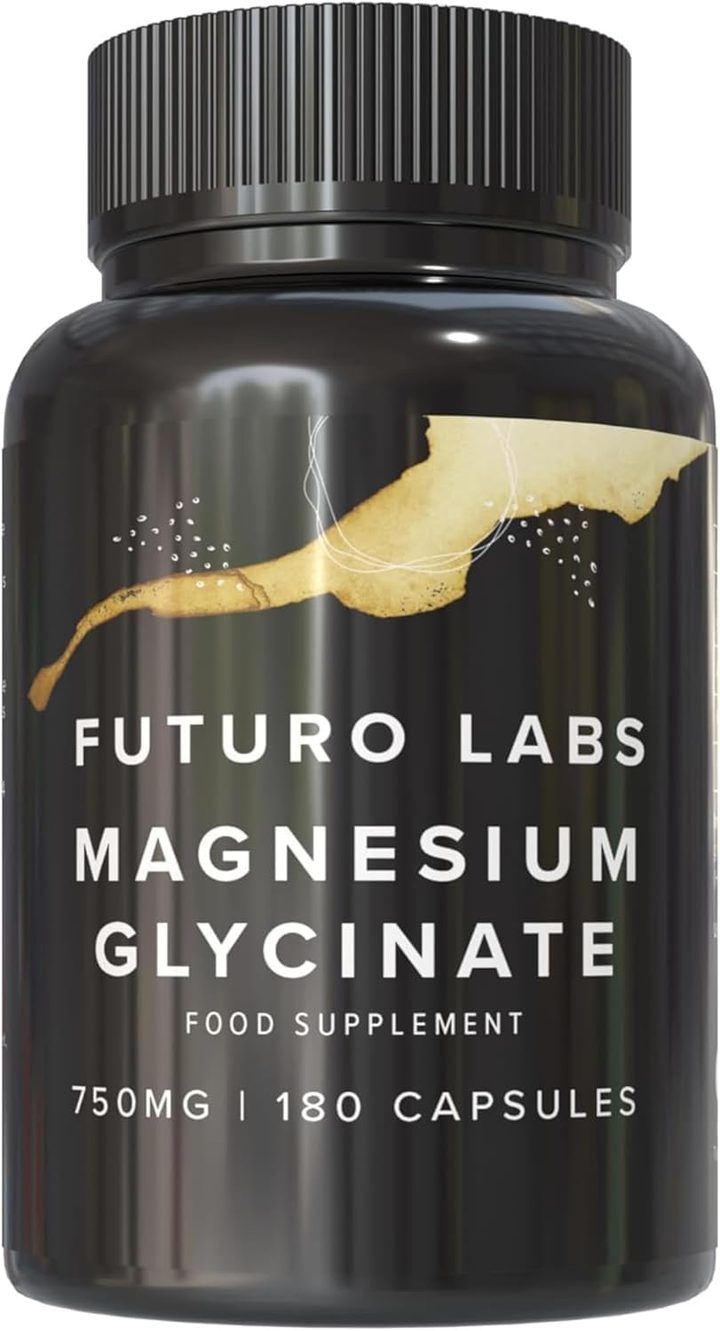
Our brand: the worked example on this page
Futuro Labs Magnesium Glycinate
- 22p a day
- 180 capsules, 2 capsules daily
- Lab tested
- Made in the UK
The magnesium claim set, daily: Futuro Labs Magnesium Glycinate on Amazon UK, 300mg elemental at 80% NRV with the evening meal, £19.99 for 90 days at 22p, and a small zinc beside it by audit. Full label breakdown. The daily zinc-and-magnesium page is here; the night pairing on the at-night page.
Yes, within two guidance levels, and the daily pattern that is what maintenance nutrients are for
Is it okay to take magnesium and zinc every day: yes, within two guidance levels, and daily is not merely permitted but the pattern the two minerals' claims assume, both being maintenance nutrients whose authorised sentences describe what adequate daily intake supports. The levels: the UK expert group's supplemental guidance for magnesium is about 400mg a day, under which 300mg elemental as bisglycinate sits with room and the laxative effect is the practical limit; and for zinc it is 25mg a day, above which sustained intake is not advised because high zinc depletes copper, under which 10 to 15mg for adequacy where a diet audit finds intake short sits comfortably and ZMA's classic 30mg does not, the zinc summed across every tub including a multivitamin's line. The daily pattern: both taken with the evening meal, zinc with food against the nausea it causes fasted and magnesium with food for comfort and the anchor, no meaningful absorption interaction between them at those doses, the zinc-magnesium competition appearing only at very high zinc, and the three gates of the without-a-doctor page applying to the pair as to either, kidney disease, regular medication and pregnancy. Daily, then, is fine, and the honest question the variant asks, what the benefits of magnesium glycinate with zinc are, is answered by two claim sets rather than by a combined promise.
The two claim sets, side by side, with nothing shared, and the pair filed
The benefits of magnesium and zinc together are the benefits of magnesium and the benefits of zinc, side by side, because the register grants each its own sentences and grants the pair nothing extra, the standing rule that combinations unlock nothing and benefits stay separate. Magnesium's set, lawful at 15% NRV or more and printed on the worked example: a contribution to the reduction of tiredness and fatigue, to normal psychological function, to normal nervous system function, to normal muscle function, to normal protein synthesis, to electrolyte balance, to normal energy-yielding metabolism and to the maintenance of normal bones and teeth, maintenance sentences describing what a replete status supports where a diet ran short. Zinc's set, lawful at the same threshold and the reason zinc earns its place by audit: a contribution to the maintenance of normal testosterone levels in the blood, to normal fertility and reproduction, to normal immune function, to the maintenance of normal skin, hair and nails, to normal cognitive function, to normal protein synthesis, to normal DNA synthesis, to the maintenance of normal vision and to the protection of cells from oxidative stress, a longer list than magnesium's and every entry maintenance rather than enhancement, the testosterone sentence in particular meaning normal levels kept and not levels raised. Nothing shared: no synergy, no combined claim, no ZMA-style promise, and the pairing's whole benefit being that a lifter whose diet audit finds both short takes both and holds both status pools, while a lifter replete in one takes only the other. The pair filed: yes, every day, magnesium under 400mg and zinc under 25mg across every tub, with the evening meal, no interaction at adequacy, two claim sets side by side and nothing between them, the worked example supplying the magnesium set at 300mg elemental and 22p and a small separate zinc supplying the other by audit, the every-day question answered by two guidance levels and two lists.
| The item | Magnesium | Zinc |
|---|---|---|
| The daily level | Under 400mg supplemental; 300mg elemental | Under 25mg; 10 to 15mg by audit |
| The claims | Fatigue, psychological function, nervous system, muscle function, protein synthesis, bones | Testosterone maintenance, immunity, skin, hair and nails, fertility, cognitive function |
| The timing | The evening meal, for comfort and the anchor | The evening meal, against fasted nausea |
| The interaction | None at adequacy | Competes only at very high doses |
| The gates | Kidney disease, medication, pregnancy | The same, plus copper at sustained high doses |
| Shared | Nothing: no synergy, no combined claim | Nothing |
The verdict, daily under two levels with two lists
Is it okay to take magnesium and zinc every day: yes, within two guidance levels, magnesium under 400mg supplemental as 300mg elemental bisglycinate and zinc under 25mg as 10 to 15mg by audit summed across every tub, both with the evening meal, no interaction at adequacy and the three gates applying, with the benefits being two separate sets of authorised maintenance claims, magnesium's fatigue, psychological, nervous-system and muscle sentences and zinc's testosterone-maintenance, immune, skin, hair, nails and fertility sentences, side by side and with nothing shared. The magnesium set, daily: Futuro Labs Magnesium Glycinate, 300mg elemental at 80% NRV with the evening meal, £19.99 for 90 days at 22p a day, a small separate zinc beside it if the audit says so.
What to check on the label
- Take both daily: maintenance nutrients assume daily intake.
- Hold two levels: magnesium under 400mg, zinc under 25mg across tubs.
- Take both with the evening meal: comfort, anchor, and zinc's stomach.
- Read the two claim sets separately: nothing is shared or unlocked.
- Dose zinc by audit: 10 to 15mg where diet runs short, not ZMA's 30.
Our brand
The worked example: Futuro Labs Magnesium Glycinate
Futuro Labs Magnesium Glycinate is the worked example for magnesium reviews because its label states every number a review needs: 1500mg magnesium bisglycinate at 20%, 300mg elemental, 80% NRV, 2 capsules a day, 180 capsules for £19.99, 22p a day, UK made, vegan HPMC shell, batch tested for lead, mercury, arsenic and cadmium, and only the register's own magnesium claims printed.
- Elemental magnesium per serving
- 300mg (80% NRV)
- Form
- magnesium bisglycinate 20%
- Serving
- 2 capsules a day
- Bottle
- 180 capsules, 90 days
- Price
- £19.99 (22p a day)
- Capsule
- vegetarian shell, vegan product
Questions people also ask
Is it safe to take zinc and magnesium together every day?
Yes within the guidance levels, magnesium under about 400mg supplemental and zinc under 25mg summed across every tub, both with the evening meal, with no meaningful interaction at those doses and the usual gates of kidney disease, medication and pregnancy.
What are the benefits of magnesium glycinate with zinc?
Two separate sets of authorised maintenance claims: magnesium's fatigue, psychological function, nervous system, muscle function and protein synthesis, and zinc's testosterone maintenance, immune function, skin, hair and nails, fertility and cognitive function, with nothing shared between them.
Does taking zinc and magnesium together boost testosterone?
No: zinc's claim is the maintenance of normal testosterone levels, magnesium holds no testosterone claim, and the trials show repletion in deficient men restoring what a deficiency suppressed rather than any rise above normal.
How much zinc should I take daily with magnesium?
10 to 15mg where a diet audit finds intake short, under the 25mg UK guidance level summed across every source including a multivitamin, since sustained high zinc depletes copper.
Do I need both, or just one?
By audit: a lifter whose diet runs light on both takes both and holds both status pools, while one replete in either takes only the other, the pair unlocking nothing that either does alone.
Sources
- The GB claims register, magnesium entries: magnesium contributes to a reduction of tiredness and fatigue, normal psychological function, normal nervous system function, normal muscle function and electrolyte balance, among others. https://www.gov.uk/government/publications/great-britain-nutrition-and-health-claims-nhc-register
- The GB claims register, zinc entries: zinc contributes to the maintenance of normal testosterone levels in the blood, to normal fertility and reproduction, to normal immune function and to the maintenance of normal skin, hair and nails, among others, at 15% NRV or more. https://www.gov.uk/government/publications/great-britain-nutrition-and-health-claims-nhc-register
- Expert Group on Vitamins and Minerals. Safe Upper Levels for Vitamins and Minerals. Food Standards Agency, 2003 (magnesium guidance level 400mg a day from supplements). https://cot.food.gov.uk/sites/default/files/vitmin2003.pdf
- The zinc and magnesium interaction literature: very high supplemental zinc, in the region of 140mg a day, reduced magnesium absorption and balance in a metabolic study, while ordinary supplemental doses of 10 to 25mg show no meaningful interaction, and high zinc also depletes copper. PubMed record