Ghost Fitness/Omega-3/How can I increase my omega-3?
How can I increase my omega-3?
The short answer
A ladder from the plate to the shelf. The plate first: a fillet of salmon or mackerel carries around two grams of EPA and DHA, a tin of sardines or a herring similar, trout a little less, canned tuna very little, so two portions a week supplies around 450mg a day on average. The shelf next: one standard softgel adds 300mg, three or a concentrate a gram, an algal oil serves a vegan. Plant omega-3 does not convert.
- The platesalmon or mackerel about two grams a fillet; sardines and herring similar; trout a little less; canned tuna very little
- The shelfone standard softgel 300mg; three or a concentrate a gram; an algal oil for a vegan
- The plant routeflax, chia and walnuts: ALA that converts to EPA at a few percent and DHA at under one
- The proofan omega-3 index test after four months of the new intake
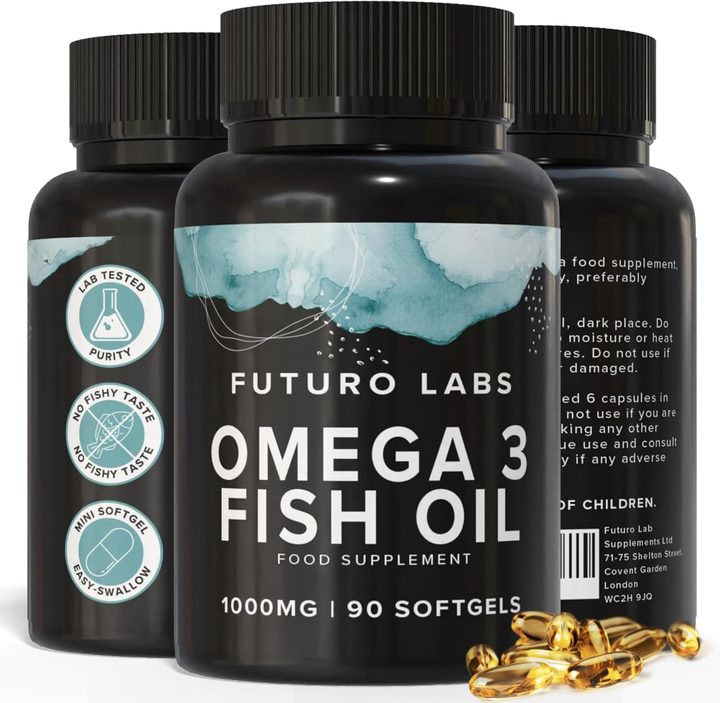
Our brand: the worked example on this page
Futuro Labs Omega 3 Fish Oil
- 17p a day
- 90 softgels, 1 softgel daily
- Lab tested
- Made in the UK
The shelf rung, 300mg a softgel: Futuro Labs Omega 3 Fish Oil on Amazon UK, 1 softgel with food, 180mg EPA and 120mg DHA, 90 for £14.99 at 17p. Full label breakdown. The no-fish reader's arithmetic is on the no-fish page; what crowds omega-3 out on the depletes page.
The plate first, oily fish by the gram, and the arithmetic that gets to the fish advice
How can I increase my omega-3 is answered by a ladder from the plate to the shelf, because the plate is cheaper than any softgel and most readers asking have not climbed it. The plate, with milligrams of EPA and DHA per portion from the food composition data. Salmon: a 140 gram fillet of farmed salmon carries around two grams of EPA and DHA, wild a little less, the richest common source. Mackerel: a fillet around two grams too, fresh or smoked, the cheapest of the rich ones. Sardines: a tin in oil or tomato sauce around one and a half grams, and a pilchard tin similar, the cheapest omega-3 on any shelf. Herring and kippers: a fillet around one and a half to two grams. Trout: a fillet around a gram, a good source and a little behind the others. Fresh tuna: a steak around half a gram, and canned tuna very little, a few tens of milligrams, because the canning process and the oil it is packed in take the omega-3 with them, the commonest disappointment on the plate. White fish, cod, haddock and plaice: a few tens of milligrams a portion, worth eating and not for this. Eggs from hens fed on omega-3 feed carry a hundred milligrams or so, and grass-fed meat a little. The arithmetic: UK advice's two portions of fish a week with one oily averages around 450mg of EPA and DHA a day, so one mackerel or salmon fillet a week gets a reader most of the way and two get them to the gram, the index research target, the fish advice being written in portions a week because a pool that changes over months averages a week's intake without noticing which day the fillet was eaten.
The shelf next, the plant route that does not work, crowding less, the proof, and the ladder filed
The shelf next, for the reader whose plate will not hold oily fish twice a week. A standard fish oil softgel adds 300mg of EPA and DHA at 17p, reaching the 250mg heart claim in one; three, or a concentrate at a gram per softgel, add a gram, the index target; a liquid by the spoon adds a gram or more at the lowest price per milligram for a reader who tolerates the taste; and an algal oil adds DHA, and sometimes EPA, from the algae that made it, the only shelf source for a vegan or a reader with a confirmed fish allergy, at a higher price per milligram. The plant route that does not work, since it is the one most readers are offered: flax, chia, hemp, walnuts and rapeseed oil are rich in ALA, the plant omega-3, and the body converts ALA to EPA at a few percent and to DHA at well under one, so a tablespoon of ground flax adds grams of ALA and a few milligrams of EPA, the conversion literature's finding, a good food for other reasons and not a way to increase EPA and DHA. Crowding less: EPA and DHA compete with omega-6 for membrane places, so a diet heavy in seed oils and fried food fills membranes with omega-6 and slows the rise, and olive oil for cooking with fewer fried and processed foods lets the increase show sooner, without any war on nuts, seeds or wholegrains. The proof: an omega-3 index blood test, the share of red-cell fatty acids that is EPA and DHA, taken before and four months after the new intake, the number rising from below four percent toward eight being the increase and the only way to see it, since no symptom marks it. The ladder filed: oily fish by the gram on the plate, salmon, mackerel, sardines and herring at one and a half to two grams a portion and canned tuna barely any, two portions a week averaging 450mg a day, then a softgel at 300mg, a concentrate or three at a gram, an algal oil for a vegan, no credit for flax, less omega-6 crowding, and an index test to prove it, with the worked example being the shelf rung at 300mg a softgel, £14.99 for 90 at 17p.
| The rung | The EPA and DHA | The note |
|---|---|---|
| Salmon or mackerel | About two grams a fillet | The richest common sources; mackerel the cheapest |
| Sardines, pilchards, herring, kippers | One and a half to two grams a tin or fillet | The cheapest omega-3 on any shelf |
| Trout, fresh tuna, canned tuna | About a gram; about half a gram; a few tens of milligrams | Canning takes tuna's omega-3 with it |
| A standard softgel; three, or a concentrate | 300mg; a gram | The heart claim in one; the index target in three |
| An algal oil | DHA, sometimes EPA, from the algae | The vegan's and the fish-allergic reader's source |
| Flax, chia, walnuts | ALA, converted to EPA at a few percent and DHA at under one | Good foods; not an EPA and DHA source |
The verdict, a ladder that starts with a mackerel and ends with a blood test
How can I increase my omega-3: by climbing a ladder from the plate to the shelf, oily fish carrying EPA and DHA by the gram, a fillet of salmon or mackerel around two grams, a tin of sardines or a herring around one and a half, trout a little less and canned tuna very little, so that two portions a week with one oily averages around 450mg a day, then a standard softgel adding 300mg, three or a concentrate adding a gram, and an algal oil serving a vegan, with plant omega-3 from flax and walnuts converting too poorly to count, less omega-6 crowding letting the membranes fill sooner, and an omega-3 index test before and four months after being the only way to see the increase. The shelf rung: Futuro Labs Omega 3 Fish Oil, one softgel with food, 180mg EPA and 120mg DHA, 90 for £14.99 at 17p a day.
What to check on the label
- Start with the plate: mackerel, salmon, sardines, herring by the gram.
- Skip canned tuna for this: the canning took it.
- Add the shelf where the plate stops: a softgel, a concentrate, an algal oil.
- Stop counting flax: ALA barely converts.
- Prove it with an index test: four months later.
Our brand
The worked example: Futuro Labs Omega 3 Fish Oil
Futuro Labs Omega 3 Fish Oil: 1 softgel daily with food, 1000mg fish oil providing 180mg EPA and 120mg DHA (300mg combined), 90 softgels for £14.99, 17p a day, lab-tested purity, UK GMP made. Gelatin shell, so not vegetarian.
- Fish oil per softgel
- 1000mg
- EPA / DHA per softgel
- 180mg / 120mg (300mg combined)
- Serving
- 1 softgel a day
- Bottle
- 90 softgels, 90 days
- Price
- £14.99 (17p a day)
- Softgel
- mini softgel, no fishy taste
Questions people also ask
What foods are highest in omega-3?
Oily fish: a fillet of salmon or mackerel carries around two grams of EPA and DHA, a tin of sardines or a herring around one and a half, trout about a gram, with fresh tuna about half a gram and canned tuna very little because the canning process and its oil take the omega-3 with them.
How much oily fish do I need to eat to get enough omega-3?
Two portions of fish a week with one oily, UK advice, averages around 450mg of EPA and DHA a day and clears the 250mg heart claim, and two oily portions a week averages about a gram a day, the index research target, the pool not caring which day the fillet was eaten.
Can I increase my omega-3 with flaxseed or walnuts?
Not the EPA and DHA that matter: flax, chia and walnuts supply ALA, converted to EPA at a few percent and to DHA at well under one percent, so a tablespoon of flax adds a few milligrams of EPA and almost no DHA, a good food for other reasons and not an omega-3 increase in the sense the question means.
How do I know if my omega-3 has increased?
By an omega-3 index blood test, the share of red-cell fatty acids that is EPA and DHA, taken before and four months after the new intake, since no symptom marks the rise and the membranes take three to four months to reflect it.
What is the cheapest way to increase omega-3?
A tin of sardines or pilchards, one and a half grams of EPA and DHA for less than a pound, or a mackerel fillet, with a standard fish oil softgel at 17p for 300mg the cheapest shelf rung for a reader whose plate will not hold the fish.
Sources
- McCance and Widdowson's Composition of Foods integrated dataset (CoFID): the UK reference figures for nutrient content of foods, including EPA and DHA in fish. https://www.gov.uk/government/publications/composition-of-foods-integrated-dataset-cofid
- Scientific Advisory Committee on Nutrition and Committee on Toxicity. Advice on fish consumption: benefits and risks (two portions of fish a week, one oily). TSO, 2004. https://www.gov.uk/government/publications/sacn-advice-on-fish-consumption-benefits-and-risks
- The alpha-linolenic acid conversion literature: the plant omega-3 ALA from flax, chia, walnuts and rapeseed is converted to EPA at a few percent and to DHA at well under one percent in most adults, higher in women of childbearing age and lower on a high omega-6 diet, so plant sources do not reliably supply EPA and DHA. PubMed record
- Harris WS, von Schacky C. The omega-3 index: red blood cell EPA and DHA as a measurable marker of omega-3 status, the research standard for judging how effectively intake raises tissue levels. PubMed record