Ghost Fitness/Magnesium/Will magnesium glycinate help with pulled muscle?
Will magnesium glycinate help with pulled muscle?
The short answer
No: a pulled muscle is a strain, torn fibres that heal by inflammation, repair and remodelling on a timeline set by the grade, one to three weeks for a few fibres, three to six for a partial tear, months for a complete one, and no nutrient shortens it. What helps is protect and elevate early, then load progressively, with a physiotherapist for grade two and above.
- Grade onea few fibres torn: one to three weeks; tightness and mild pain, full strength
- Grade twoa partial tear: three to six weeks; sharp pain, swelling, lost strength; a physiotherapist
- Grade threea complete tear: months, sometimes surgery; a pop, a gap, a loss of function; urgent assessment
- Magnesiumno role in healing a strain; no repair claim; by audit for its own sentences
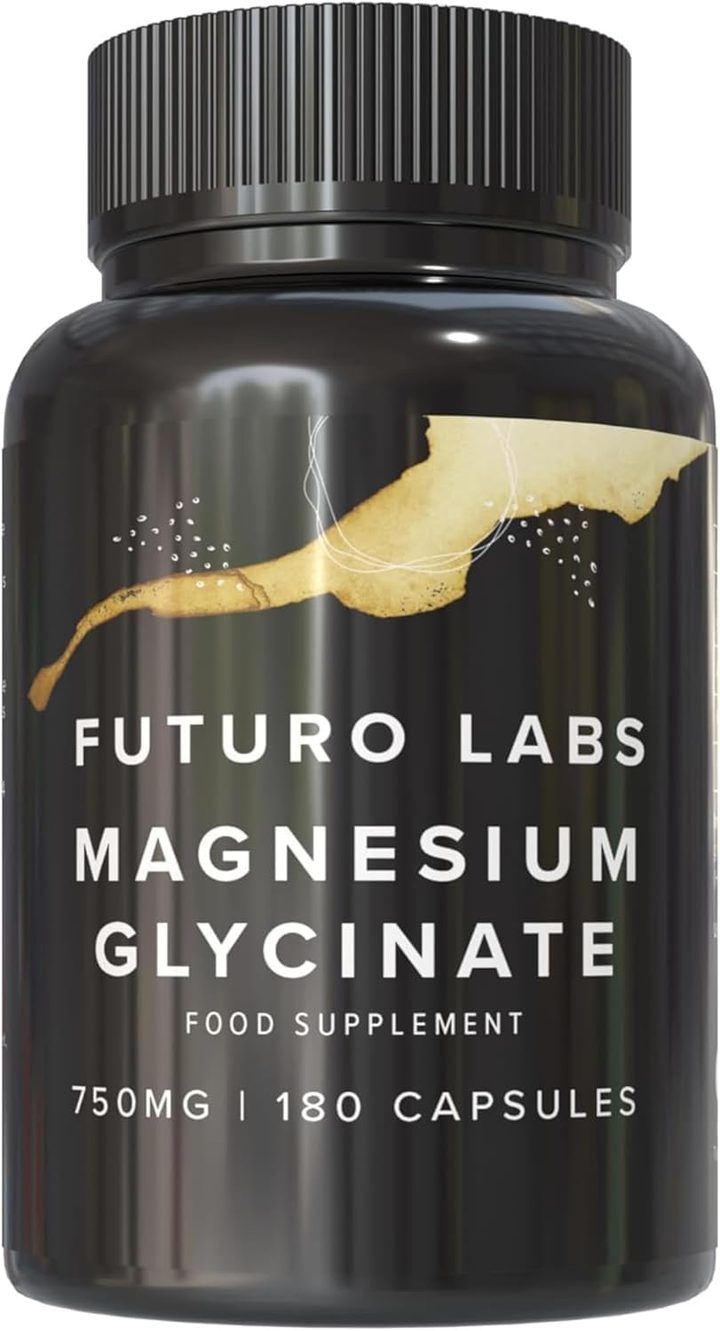
Our brand: the worked example on this page
Futuro Labs Magnesium Glycinate
- 22p a day
- 180 capsules, 2 capsules daily
- Lab tested
- Made in the UK
For the diet audit while the strain heals on its own clock: Futuro Labs Magnesium Glycinate on Amazon UK, bisglycinate, 300mg elemental at 80% NRV, £19.99 for 90 days at 22p. Full label breakdown. The muscle pain map is on the muscle pain page; the repair definitions on the repair page.
What a pulled muscle is, the three grades and their timelines, and why no nutrient shortens them
Will magnesium glycinate help a pulled muscle is answered by what a pulled muscle is: a strain, fibres of a muscle or its tendon junction torn under a load or a stretch they could not take, the hamstring in a sprint, the calf in a push-off, the groin in a lunge, the lower back or a pec in a lift, and the healing runs through inflammation in the first days, repair with new collagen and muscle fibres over the following weeks and remodelling of that repair under load over the weeks after, on a timeline set by the grade. Grade one, a few fibres torn: tightness and a mild ache, full strength retained, one to three weeks to full training. Grade two, a partial tear: a sharp pain at the moment of injury, swelling and sometimes bruising, a loss of strength and range, three to six weeks, with a physiotherapist's assessment and programme. Grade three, a complete tear: a pop or a snap, a palpable gap, a bunched muscle, a loss of function, months of recovery and sometimes surgery, and an urgent assessment on the day. No nutrient shortens any of those timelines: the collagen of repair is built from dietary protein and the repair runs on the body's own inflammatory and growth signals in an order that nothing in a capsule accelerates, magnesium's role being the cofactor in the magnesium-ATP that every cell spends, met in a replete lifter and limiting only in one whose diet runs badly light, so that magnesium glycinate helps a pulled muscle in no sense that a strain's timeline would register, holds no repair, healing or injury claim, and is taken by audit for its own sentences on the same terms as any week.
What actually helps, the PEACE and LOVE protocol, the return to load, the red flags, and the question filed
What actually helps a strain is the protocol that has replaced rest and ice as the default, PEACE and LOVE. In the first days, PEACE: protect the muscle from the movements that hurt for a day to three, elevate it where practical, avoid anti-inflammatory medicines in the first days since inflammation is the repair's first stage, compress to limit swelling, and educate, which means understanding that early gentle movement beats prolonged rest. From the first days on, LOVE: load the muscle progressively as pain allows, since loaded tissue remodels stronger and rested tissue remodels weaker, keep optimism, since fear of re-injury predicts a slower return, vascularise with pain-free cardio, and exercise through a graded programme of range, strength and then sport-specific movement, a physiotherapist's programme being worth more than a forum's for grade two and above and for any strain in a lifter who wants the bar back. The return to load runs unloaded range, then isometrics, then light eccentrics, then the lift at reduced load, then full load over weeks, with the fast return being the re-strain. The red flags that make a pulled muscle an urgent question: a pop or a snap at injury, a gap or a bunched muscle, an inability to bear weight or use the limb, numbness, or a calf strain with a hot swollen calf, which can mimic a clot. Protein at around 1.6 grams per kilogram feeds the repair, sleep runs it, and magnesium sits beside them by audit. The question filed: magnesium glycinate does not help a pulled muscle, which heals on a grade-set timeline no nutrient shortens, and the PEACE and LOVE protocol, a physiotherapist and a graded return to load do, with red flags going to urgent care, the worked example being for the diet audit while the strain heals on its own clock, 300mg elemental at 22p, £19.99 for 90 days.
| The item | The finding | The action |
|---|---|---|
| Grade one | A few fibres; tightness; full strength; one to three weeks | Protect briefly, then load |
| Grade two | A partial tear; sharp pain, swelling, lost strength; three to six weeks | A physiotherapist's programme |
| Grade three | A complete tear; a pop, a gap, lost function; months | Urgent assessment; sometimes surgery |
| PEACE, the first days | Protect, elevate, avoid anti-inflammatories, compress, educate | Early gentle movement beats rest |
| LOVE, from the first days | Load, optimism, vascularisation, exercise | Loaded tissue remodels stronger |
| Magnesium | No role in healing; no claim | By audit, for its own sentences |
The verdict, a strain on its own clock and a protocol that respects it
Will magnesium glycinate help with a pulled muscle: no, a pulled muscle being a strain that heals through inflammation, repair and remodelling on a timeline set by its grade, one to three weeks for a few torn fibres, three to six for a partial tear and months for a complete one, with no nutrient shortening any of them and magnesium holding no repair or injury claim, while the PEACE and LOVE protocol, protecting and elevating in the first days and then loading progressively, a physiotherapist for grade two and above, a graded return to the bar and urgent assessment for a pop, a gap or a loss of function are what help. For the diet audit while the strain heals: Futuro Labs Magnesium Glycinate, bisglycinate, 300mg elemental at 80% NRV, £19.99 for 90 days at 22p a day.
What to check on the label
- Grade the strain: a few fibres, a partial tear, or a complete one.
- Run PEACE in the first days: protect, elevate, no anti-inflammatories, compress, educate.
- Run LOVE from the first days: load, optimism, vascularisation, exercise.
- Return to load in stages: range, isometrics, eccentrics, reduced load, full load.
- Treat a pop, a gap or lost function as urgent: and a hot swollen calf too.
Our brand
The worked example: Futuro Labs Magnesium Glycinate
Futuro Labs Magnesium Glycinate is the worked example for magnesium reviews because its label states every number a review needs: 1500mg magnesium bisglycinate at 20%, 300mg elemental, 80% NRV, 2 capsules a day, 180 capsules for £19.99, 22p a day, UK made, vegan HPMC shell, batch tested for lead, mercury, arsenic and cadmium, and only the register's own magnesium claims printed.
- Elemental magnesium per serving
- 300mg (80% NRV)
- Form
- magnesium bisglycinate 20%
- Serving
- 2 capsules a day
- Bottle
- 180 capsules, 90 days
- Price
- £19.99 (22p a day)
- Capsule
- vegetarian shell, vegan product
Questions people also ask
Does magnesium speed up healing of a pulled muscle?
No: a strain heals through inflammation, repair and remodelling on a timeline set by its grade, collagen built from dietary protein under the body's own signals, and no nutrient shortens it, magnesium being a cofactor met in a replete lifter and holding no repair or injury claim.
How long does a pulled muscle take to heal?
One to three weeks for a grade one strain with a few fibres torn, three to six weeks for a grade two partial tear with swelling and lost strength, and months for a grade three complete tear, which sometimes needs surgery.
Should I rest and ice a pulled muscle?
Briefly protect and elevate it in the first days, but the current guidance, PEACE and LOVE, favours early gentle movement over prolonged rest, avoids anti-inflammatories in the first days because inflammation is the repair's first stage, and then loads the muscle progressively as pain allows.
When should a pulled muscle be seen urgently?
With a pop or snap at injury, a gap or a bunched muscle, an inability to bear weight or use the limb, numbness, or a calf strain with a hot swollen calf that could mimic a clot, all of which need assessment on the day.
How do I get back to lifting after a pulled muscle?
In stages: unloaded range, then isometrics, then light eccentrics, then the lift at reduced load, then full load over weeks, on a physiotherapist's programme for grade two and above, since the fast return is usually the re-strain.
Sources
- The muscle strain literature: grade one strains, a few fibres torn, recover over one to three weeks; grade two, a partial tear, over three to six weeks; grade three, a complete tear, over months and sometimes with surgery, with graded loading the key to return and no nutrient shortening the timeline. PubMed record
- The PEACE and LOVE framework for soft-tissue injury: protect, elevate, avoid anti-inflammatories in the first days, compress, educate; then load, optimism, vascularisation and exercise, the current guidance that has replaced rest-and-ice as the default. PubMed record
- The protein intake and resistance training literature: meta-analyses support intakes around 1.6g per kilogram of body weight daily for maximising resistance-training gains, with diminishing returns above. PubMed record
- The GB claims register, magnesium entries: magnesium contributes to a reduction of tiredness and fatigue, normal psychological function, normal nervous system function, normal muscle function and electrolyte balance, among others. https://www.gov.uk/government/publications/great-britain-nutrition-and-health-claims-nhc-register