Ghost Fitness/Magnesium/Does magnesium glycinate help muscle pain?
Does magnesium glycinate help muscle pain?
The short answer
Map the pain first: dull and everywhere a day after a new session is DOMS; a sudden seizing that releases is a cramp; a sharp pain during a lift is a strain; pain at a tendon under load is tendinopathy; a locked back is guarding; aching with cramps, twitches and tremor on a poor diet is a possible shortfall. Magnesium answers the last square only.
- DOMSdull, widespread, a day after unfamiliar load, peaking at one to three days: no magnesium
- Cramp and straina seizing that releases; a sharp pain mid-lift: stretching and a medicine review; rest and rehab
- Tendon and backpain at an insertion under load; a locked back: load management; the back protocol
- The shortfall squareaching with cramps, twitches and tremor on a diet that ran light: a blood test and repletion
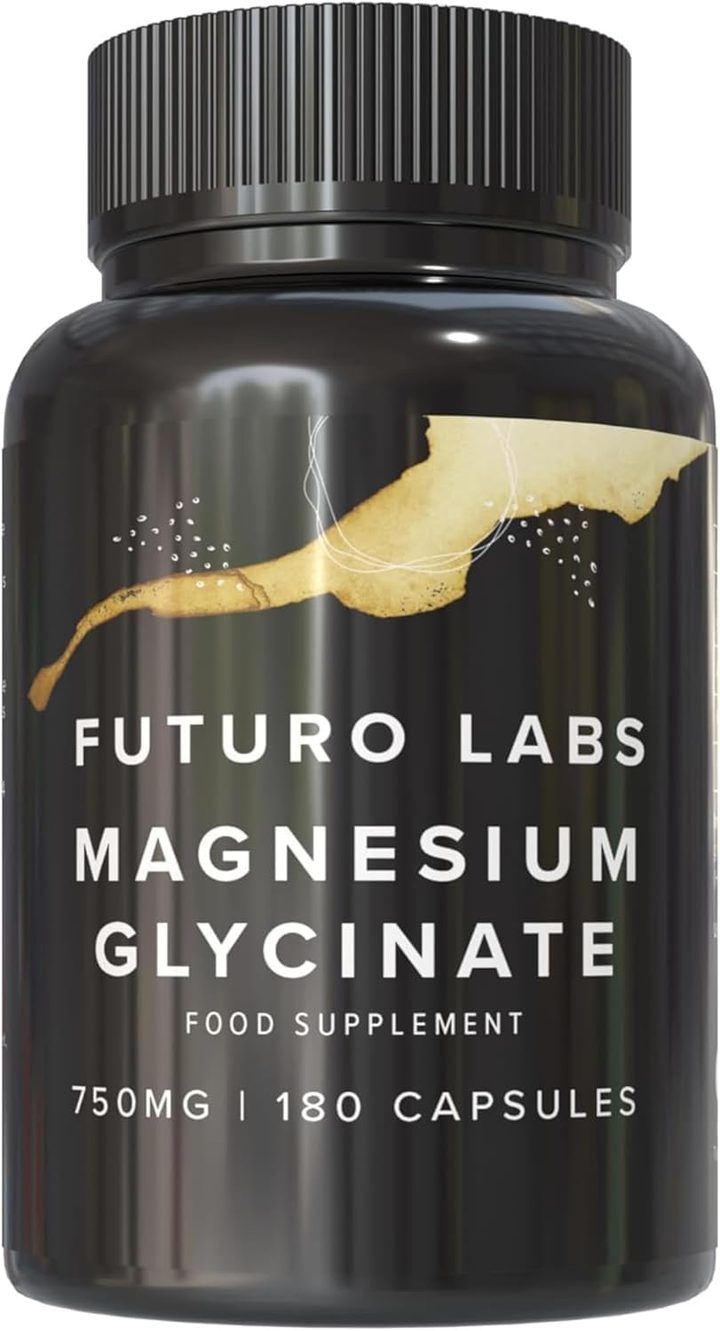
Our brand: the worked example on this page
Futuro Labs Magnesium Glycinate
- 22p a day
- 180 capsules, 2 capsules daily
- Lab tested
- Made in the UK
For the one square, by audit, with the muscle-function sentence: Futuro Labs Magnesium Glycinate on Amazon UK, bisglycinate, 300mg elemental at 80% NRV, £19.99 for 90 days at 22p. Full label breakdown. The three pain timelines are on the muscle-pain timeline page; the soreness page on the soreness page.
The pain map, because muscle pain is six different things and magnesium answers one square of it
Does magnesium glycinate help muscle pain is answered by a map, because a lifter's muscle pain is six different things with six different causes, and the careful-claims flag on this page holds from the start that magnesium has no pain claim, its lawful sentence being a contribution to normal muscle function. The map runs by timing and character. Square one, DOMS: dull, stiff, widespread in the muscles trained, arriving eight to twenty-four hours after an unfamiliar or heavier session and peaking at one to three days before fading, the repair process of adaptation, with no magnesium answer, the one small unreplicated runner trial notwithstanding, and its fix being the repeated-bout effect, sleep, protein and light movement. Square two, cramp: a sudden, painful, involuntary seizing of a calf or hamstring that releases in seconds to minutes, at night or at mile twenty, with the trials finding magnesium unlikely to help ordinary cramps and exercise cramps being neuromuscular fatigue, the fix being stretching, conditioning, hydration in heat and a pharmacist's review of cramping medicines. Square three, strain: a sharp pain during a lift, sometimes with a pull or a pop, localised, worse on loading the muscle afterwards, an injury with a rest-and-rehabilitation route and no mineral. Square four, tendinopathy: pain at a tendon's insertion under load, the elbow, the knee, the shoulder, the hip, that warms up and then worsens, a load-management and physiotherapy problem wearing a muscle's name. Square five, the locked back: guarding after a strain, the back-spasm protocol's territory, staying active, heat, analgesia and weeks. Square six, the shortfall: a diffuse aching with cramps, twitches, tremor and fatigue in a lifter whose diet ran badly light or who drinks heavily, takes proton-pump inhibitors or diuretics or has gut disease, the hypomagnesaemia picture found on a blood test, and the one square magnesium answers, repletion settling it over days to weeks.
Reading the map on your own pain, the square that goes to a doctor whatever it is, and the question filed
Reading the map on your own pain is a matter of timing and character: pain the day after a new stimulus that fades over three days is square one and needs nothing; a seizing that releases is square two; a sharp mid-lift pain is square three; an insertion that hurts under load is square four; a locked lumbar spine is square five; and a diffuse ache that comes with cramps, twitches and tremor, on a diet that a moment's audit shows ran light, or with alcohol, medicines or gut disease in the history, is square six and worth a GP's blood test, which may show a low serum magnesium and often shows low potassium or calcium beside it, the deficiency square being a clinical one. The square that goes to a doctor whatever it is: pain that is persistent beyond a fortnight, severe, one-sided without a training explanation, accompanied by swelling, redness, weakness, numbness or fever, or that arrived without a session to blame, since muscle pain is also a symptom of medicines, statins above all, of thyroid disease, of inflammatory and infectious conditions and of injuries that need imaging, none of which a mineral touches. Does magnesium glycinate help muscle pain, then: on square six, yes, as repletion of a shortfall in the salt best tolerated, and on the other five, no, the salt and the dose being irrelevant to pain that has another cause, with a lifter whose diet audit finds intake short taking it for its muscle-function sentence on the same terms as any day and not for the pain. The map filed: six squares, one magnesium answer, a doctor for the persistent and the unexplained, and the worked example taken by audit for its sentence, bisglycinate at 300mg elemental, £19.99 for 90 days at 22p, never as a painkiller.
| The square | Timing and character | The answer |
|---|---|---|
| DOMS | Dull, widespread, a day after unfamiliar load, peaking at one to three days | Repeated exposure, sleep, protein, movement; no magnesium |
| Cramp | A sudden seizing that releases | Stretching, conditioning, a medicine review; no magnesium unless a shortfall |
| Strain | A sharp pain mid-lift, localised | Rest and rehabilitation; a physiotherapist |
| Tendinopathy | Pain at an insertion under load | Load management; a physiotherapist |
| The locked back | Guarding after a strain | The back protocol: stay active, heat, weeks |
| The shortfall | Diffuse ache with cramps, twitches, tremor on a poor diet | A blood test; repletion: the one magnesium square |
The verdict, one square on a six-square map
Does magnesium glycinate help muscle pain: on one square of a six-square map, the shortfall square, where a diffuse ache with cramps, twitches and tremor on a diet that ran light or with alcohol, medicines or gut disease behind it marks a deficiency that a blood test finds and repletion settles over days to weeks, and not on the other five, DOMS, cramp, strain, tendinopathy and the locked back, each of which has its own cause and its own route, with no pain claim for magnesium and persistent or unexplained pain going to a doctor whatever the square. For the one square, by audit: Futuro Labs Magnesium Glycinate, bisglycinate, 300mg elemental at 80% NRV, £19.99 for 90 days at 22p a day.
What to check on the label
- Map the pain by timing and character: six squares.
- Give five squares their own routes: none is a mineral.
- Suspect the sixth on a poor diet with cramps and twitches: a blood test.
- Send persistent or unexplained pain to a doctor: whatever the square.
- Take magnesium for its sentence: never as a painkiller.
Our brand
The worked example: Futuro Labs Magnesium Glycinate
Futuro Labs Magnesium Glycinate is the worked example for magnesium reviews because its label states every number a review needs: 1500mg magnesium bisglycinate at 20%, 300mg elemental, 80% NRV, 2 capsules a day, 180 capsules for £19.99, 22p a day, UK made, vegan HPMC shell, batch tested for lead, mercury, arsenic and cadmium, and only the register's own magnesium claims printed.
- Elemental magnesium per serving
- 300mg (80% NRV)
- Form
- magnesium bisglycinate 20%
- Serving
- 2 capsules a day
- Bottle
- 180 capsules, 90 days
- Price
- £19.99 (22p a day)
- Capsule
- vegetarian shell, vegan product
Questions people also ask
Is magnesium glycinate good for muscle pain?
For one kind: the diffuse aching with cramps, twitches and tremor of a genuine magnesium shortfall, found on a blood test and settled by repletion; for DOMS, cramps without a shortfall, strains, tendon pain and a locked back it does nothing, and it holds no pain claim.
How do I tell what kind of muscle pain I have?
By timing and character: dull and widespread a day after a new session is DOMS, a seizing that releases is a cramp, a sharp mid-lift pain is a strain, an insertion that hurts under load is a tendon, a locked lumbar spine is guarding, and a diffuse ache with cramps and twitches on a poor diet is a possible shortfall.
Could my muscle pain be low magnesium?
If it is diffuse, comes with cramps, twitches, tremor and fatigue, and your diet ran badly light or you drink heavily, take proton-pump inhibitors or diuretics or have gut disease, a GP's blood test answers it, often showing low potassium or calcium beside a low magnesium.
When should muscle pain be checked by a doctor?
When it persists beyond a fortnight, is severe, one-sided without a training cause, or comes with swelling, redness, weakness, numbness or fever, or arrived without a session to blame, since medicines, thyroid disease, inflammation, infection and injuries needing imaging all cause muscle pain.
Does the glycinate form matter for muscle pain?
Only on the shortfall square, where bisglycinate is the best-tolerated salt for repletion; on every other square the salt and the dose are irrelevant to a pain with another cause.
Sources
- The hypomagnesaemia literature: clinically low serum magnesium presents with cramps, tremor, weakness and, when severe, arrhythmias and seizures, with alcohol misuse, proton-pump inhibitors, diuretics and gastrointestinal loss the common causes, and serum magnesium an imperfect marker of tissue status. PubMed record
- Garrison SR, Korownyk CS, Kolber MR, et al. Magnesium for skeletal muscle cramps. Cochrane Database of Systematic Reviews 2020, Issue 9, CD009402. PubMed record
- The magnesium and muscle soreness literature: a small randomised trial in recreational runners reported lower perceived soreness and better recovery with 350mg of magnesium a day around a downhill run, a single unreplicated study, and no authorised claim exists for soreness or recovery. PubMed record
- The NICE guideline on low back pain and sciatica: people with acute low back pain are advised to stay active and continue normal activities, with bed rest discouraged, self-management, heat and simple analgesia supported, and red flags for urgent assessment defined. https://www.nice.org.uk/guidance/ng59