Ghost Fitness/Magnesium/Why is magnesium oxide poorly absorbed?
Why is magnesium oxide poorly absorbed?
The short answer
A solubility paradox: magnesium oxide is about 60% magnesium by weight, the richest common salt, and the poorest at giving it up, because it is nearly insoluble in water and depends on stomach acid to convert it to a soluble form, a slow and incomplete process, so most of the dose reaches the colon unabsorbed, one comparative study finding absorption in the low single digits against around thirty percent for organic salts.
- The paradoxabout 60% magnesium by weight, the richest salt; the lowest fractional absorption
- The reasonnearly insoluble in water; needs stomach acid to dissolve; slow and incomplete in the time available
- The comparisonlow single-digit fractional absorption in one comparative study against around thirty percent for citrate and other organic salts
- Made worse byacid-suppressing medicines, a fast-emptying empty stomach, a large single dose
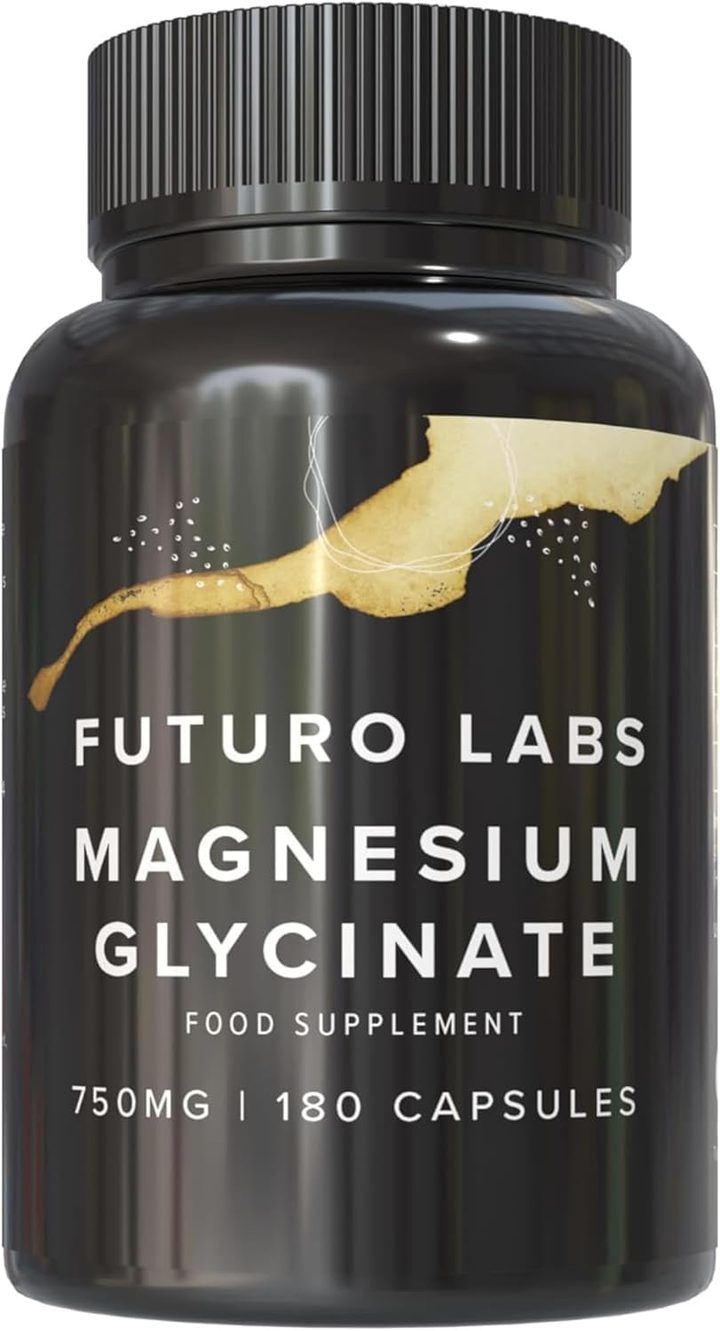
Our brand: the worked example on this page
Futuro Labs Magnesium Glycinate
- 22p a day
- 180 capsules, 2 capsules daily
- Lab tested
- Made in the UK
The salt that dissolves on its own: Futuro Labs Magnesium Glycinate on Amazon UK, bisglycinate, 300mg elemental at 80% NRV, £19.99 for 90 days at 22p. Full label breakdown. The forms compared on the forms page; the elemental-versus-oxide teach on the elemental page.
The solubility paradox, richest in magnesium and poorest at giving it up
Why magnesium oxide is poorly absorbed is a question with a paradox at its centre, because oxide is the salt richest in magnesium and the poorest at handing it over. By weight, magnesium oxide is about 60% magnesium, the highest fraction of any common salt, against about 16% for citrate and 14 to 20% for bisglycinate, which is why a full dose fits in one tablet and why the tablet shelf is full of it. By solubility it is the opposite: magnesium oxide is nearly insoluble in water, a white powder that sits in a glass rather than dissolving, and a mineral has to be in solution as free ions to be absorbed across the intestinal wall, so oxide cannot be absorbed as it arrives and must first be converted, by the stomach's hydrochloric acid, into soluble magnesium chloride, a reaction that happens but happens slowly and incompletely in the time the stomach allows, the tablet moving on into the intestine with much of its oxide still undissolved. What is not dissolved by the time the contents reach the absorbing intestine is not absorbed, and travels on to the colon as the remainder that draws water and produces oxide's laxative reputation, the remainder-arithmetic page's largest remainder, so that the salt with the most magnesium in it delivers the least, and the comparative study most often cited found oxide's fractional absorption in the low single digits against around thirty percent for citrate and the organic salts, the citrate-versus-oxide pages' standing figure, with other studies finding oxide somewhat better but always last.
What makes it worse, what makes it slightly better, why it is still sold, and the paradox filed
Three things make oxide's absorption worse than its baseline. Acid-suppressing medicines: a reader on a proton-pump inhibitor or an H2 blocker has less stomach acid to do the converting, so oxide dissolves even less and delivers even less, which is doubly unfortunate because those medicines also lower magnesium status over years, the reader most likely to need magnesium being the reader for whom oxide works least, the PPI pages' note and a reason to choose a salt that does not need acid. An empty, fast-emptying stomach: a tablet taken fasted spends less time in acid before moving on, so more oxide leaves undissolved, food slowing emptying and helping oxide more than it helps any other salt. A large single dose: more oxide than the available acid can convert in the time available leaves proportionally more behind, so oxide's absorption falls faster with dose than the organic salts' does. One thing makes it slightly better, and it is the same lever: a small dose with a meal, held in acid longer, dissolves a larger share, which is why oxide at modest doses in some trials performs less badly than the single-digit figure suggests. Why it is still sold is the paradox's commercial face: oxide is the cheapest magnesium raw material, fits the most magnesium in the smallest tablet and lets a front label print 400mg or 500mg in one, so it wins on price per gram of compound and loses on price per absorbed milligram, the reader paying less for a tub and more for the magnesium they actually get, with the honest exception being the constipated reader, for whom the remainder is the point. The paradox filed: oxide is richest in magnesium and poorest at giving it up because it is nearly insoluble and depends on stomach acid to dissolve, slowly and incompletely, worse on acid-suppressing medicines, fasted and at large doses, with the worked example being the salt that dissolves on its own and needs no acid, bisglycinate at 300mg elemental, £19.99 for 90 days at 22p.
| The item | The finding | The consequence |
|---|---|---|
| Magnesium by weight | About 60%, the richest common salt | A full dose in one tablet; the tablet shelf's default |
| Solubility | Nearly insoluble in water | Cannot be absorbed as it arrives |
| The conversion | Stomach acid to soluble chloride, slowly and incompletely | Much of the dose moves on undissolved |
| The absorption | Low single digits in one study against about thirty percent for organic salts | The least of any common salt |
| Made worse by | Acid-suppressing medicines, a fasted dose, a large dose | The reader who needs magnesium most gets least from oxide |
| Why it is sold | Cheapest raw material; most magnesium per tablet | Cheap per gram, dear per absorbed milligram |
The verdict, insoluble, acid-dependent, and last in every comparison
Why is magnesium oxide poorly absorbed: because of a solubility paradox, oxide being the salt richest in magnesium by weight at about 60% and the poorest at giving it up, nearly insoluble in water and dependent on the stomach's acid to convert it slowly and incompletely to a soluble form, so that much of a dose reaches the intestine undissolved and the colon unabsorbed, one comparative study putting its fractional absorption in the low single digits against around thirty percent for the organic salts, made worse by acid-suppressing medicines, a fasted dose and a large dose, and still sold because it is the cheapest raw material and fits the most magnesium in the smallest tablet. The salt that dissolves on its own: Futuro Labs Magnesium Glycinate, bisglycinate, 300mg elemental at 80% NRV, £19.99 for 90 days at 22p a day.
What to check on the label
- Read the paradox: richest in magnesium, poorest at giving it up.
- Know the reason: insoluble, and dependent on stomach acid.
- Avoid oxide on acid-suppressing medicines: the reader who needs magnesium most.
- Take any oxide with a meal, in a small dose: the only lever it has.
- Pay per absorbed milligram, not per gram: a soluble salt wins.
Our brand
The worked example: Futuro Labs Magnesium Glycinate
Futuro Labs Magnesium Glycinate is the worked example for magnesium reviews because its label states every number a review needs: 1500mg magnesium bisglycinate at 20%, 300mg elemental, 80% NRV, 2 capsules a day, 180 capsules for £19.99, 22p a day, UK made, vegan HPMC shell, batch tested for lead, mercury, arsenic and cadmium, and only the register's own magnesium claims printed.
- Elemental magnesium per serving
- 300mg (80% NRV)
- Form
- magnesium bisglycinate 20%
- Serving
- 2 capsules a day
- Bottle
- 180 capsules, 90 days
- Price
- £19.99 (22p a day)
- Capsule
- vegetarian shell, vegan product
Questions people also ask
Is magnesium oxide absorbed at all?
A little: it must be converted by stomach acid into a soluble form before it can be absorbed, and the conversion is slow and incomplete, so one comparative study found fractional absorption in the low single digits against around thirty percent for citrate and other organic salts, with other studies finding it somewhat better but always last.
Why does magnesium oxide have so much magnesium if it's poorly absorbed?
The two facts are unrelated: oxide is about 60% magnesium by weight because the oxide ion is small, and it is poorly absorbed because the compound is nearly insoluble in water, so the tablet that packs the most magnesium delivers the least of it.
Does magnesium oxide work if I take a proton-pump inhibitor?
Worse than for anyone else: acid-suppressing medicines leave less stomach acid to dissolve the oxide, so it delivers even less, and since those medicines also lower magnesium status over years the reader who most needs magnesium gets least from oxide and does better on a salt that dissolves without acid.
How can I make magnesium oxide absorb better?
Take a small dose with a meal, which holds the tablet in acid longer and dissolves a larger share; there is no lever beyond that, and a soluble salt such as bisglycinate or citrate at a labelled dose avoids the problem altogether.
Why is magnesium oxide so cheap?
It is the cheapest magnesium raw material and fits the most magnesium in the smallest tablet, so it wins on price per gram of compound and loses on price per absorbed milligram, the reader paying less for the tub and more for the magnesium they actually get.
Sources
- The magnesium oxide bioavailability literature: magnesium oxide is nearly insoluble in water and depends on gastric acid to dissolve, releasing its magnesium slowly and incompletely, with fractional absorption in the low single digits in one comparative study against around thirty percent for organic salts, and reduced further in people on acid-suppressing medicines. PubMed record
- Firoz M, Graber M. Bioavailability of US commercial magnesium preparations. Magnesium Research 2001;14(4):257-262. PubMed record
- Walker AF, Marakis G, Christie S, Byng M. Mg citrate found more bioavailable than other Mg preparations in a randomised, double-blind study. Magnesium Research 2003;16(3):183-191. PubMed record
- The magnesium absorption kinetics literature: oral magnesium is absorbed mainly in the distal small intestine over the hours after a dose, the unabsorbed remainder reaching the colon within six to twelve hours where its osmotic effect appears, and surplus absorbed magnesium is excreted by the kidneys within a day or two. PubMed record