Ghost Fitness/Magnesium/Is magnesium good for weight lifters?
Is magnesium good for weight lifters?
The short answer
Good where a lifter runs short, and the diet phase decides: a cut shrinks food volume and magnesium with it, and a bulk on rice, chicken and shakes is low in it too. Strength, no acute effect; recovery, the departments; sleep, no claim; night benefits are the claims themselves.
- Strengthno acute effect; repletion restores function where a shortfall cost it
- The cutless food, less magnesium: the phase most likely to run short
- The bulkrice, chicken and shakes carry little; volume without magnesium
- Benefits at nightthe register's claims, taken at the evening anchor: no sleep claim
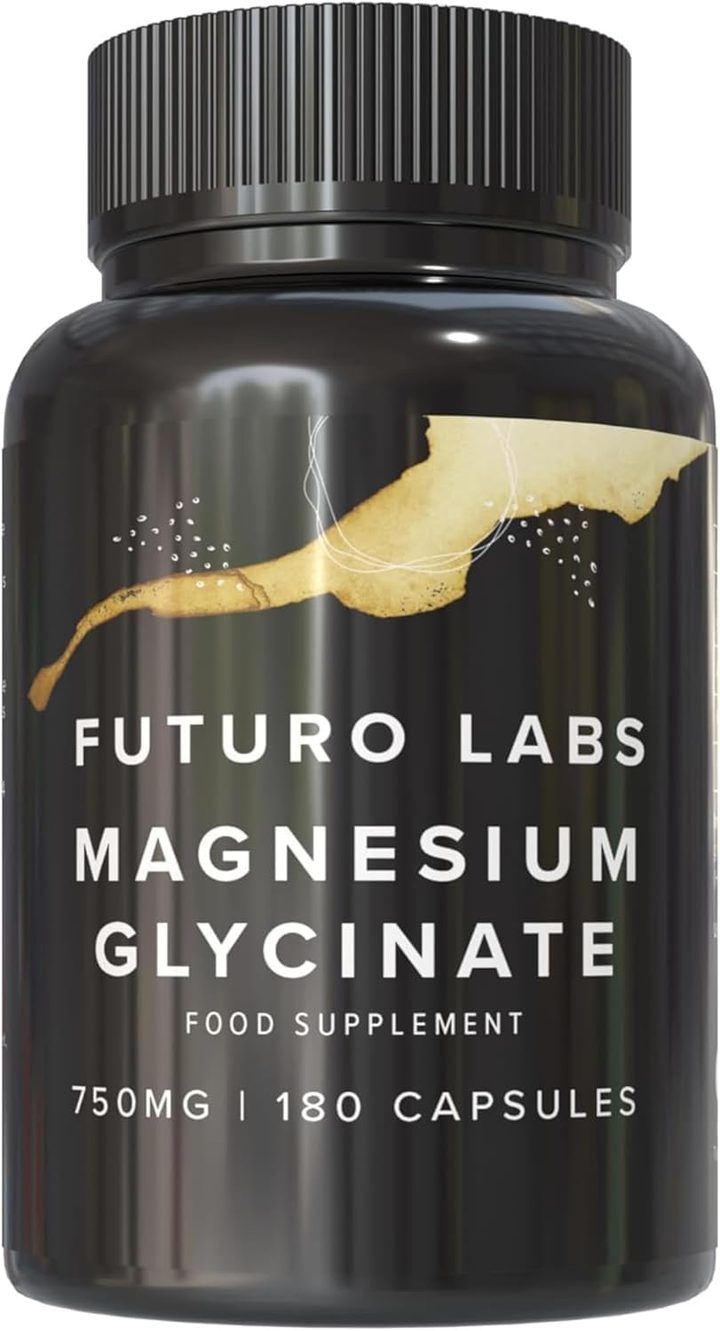
Our brand: the worked example on this page
Futuro Labs Magnesium Glycinate
- 22p a day
- 180 capsules, 2 capsules daily
- Lab tested
- Made in the UK
The lifter's evening habit, for the phase that runs short: Futuro Labs Magnesium Glycinate on Amazon UK, bisglycinate, 2 capsules with the evening meal, 300mg elemental at 80% NRV, £19.99 for 90 days at 22p. Full label breakdown. The athletes flagship is here; the lifter's dose page on the lift-weights dose page.
The four questions a lifter is really asking, answered in turn
Is magnesium good for weight lifters bundles four questions the athletes flagship answers for sport in general, and a lifter's version of each is short. Strength: magnesium has no acute effect on a lift, no dose before a session doing anything, and the one small trial reporting greater strength gains was in untrained novices and never replicated in trained lifters, so magnesium's contribution to strength is the deficiency pattern, repletion restoring normal muscle function and energy metabolism where a shortfall had cost them, the register's muscle-function sentence describing exactly that. Recovery: magnesium is hired by one department of the recovery org chart, fatigue and muscle function where intake runs short, and not by the others, repair belonging to protein, fuel to carbohydrate and soreness to sleep and load, so a lifter takes it for status rather than for the post-session hour. Sleep, the variant asking about benefits at night: no sleep claim exists, the evening habit being the section's anchor for tolerance and adherence, and the benefits of taking magnesium at night being the register's own claims delivered by a habit that survives, nervous system, psychological function, fatigue, muscle function, and not a night improved. And the fourth question, whether a lifter runs short at all, is the one the diet phase answers and the one this page adds.
The diet-phase audit, cutting and bulking, and why a lifter's magnesium intake follows the programme
A lifter's magnesium intake follows the programme more than most nutrients do, because the two phases lifters cycle through both push magnesium down for different reasons. The cut: a calorie deficit shrinks food volume, and magnesium is a volume nutrient, spread thinly through leafy greens, nuts, seeds, legumes, wholegrains and dark chocolate, so a cut that drops the nuts and the wholegrains for lean protein and vegetables loses hundreds of milligrams a day of magnesium along with the calories, and a lifter twelve weeks into a cut is the reader most likely to be genuinely short, tiredness, cramps and a dull stress response arriving on the low-calorie weeks for a reason the register's fatigue sentence names. The bulk: the classic bulking plate, white rice, chicken, eggs, whey shakes and oats at the margin, is high in calories and protein and, apart from the oats, low in magnesium, the volume coming from refined carbohydrate rather than from the greens and legumes that carry the mineral, so a bulk can run just as short as a cut on a plate three times the size, the athletes flagship's point that training diets built on protein and refined carbohydrate supply less magnesium than a mixed sedentary diet. The audit, then, runs by phase: on a cut, keep a handful of nuts and seeds and a serving of greens in the deficit or supplement; on a bulk, swap some white rice for wholegrains and beans or supplement; and in either, the supplement is 300mg elemental as bisglycinate with the evening meal, most of the reference value in the best-tolerated salt, under the 400mg level, taken for its claims where the phase runs light and dropped when the diet covers it. The verdict: magnesium is good for the weight lifter who runs short, which the diet phase makes common, and the four lifter questions resolve to status, departments, no sleep claim and an evening habit whose benefits are its printed sentences, the worked example being that habit at 22p, £19.99 for 90 days, for the cut that lost the nuts and the bulk that never had the beans.
| The question | The answer | The reason |
|---|---|---|
| Strength | No acute effect; repletion where short | The novice trial never replicated in trained lifters |
| Recovery | One department: fatigue and muscle function | Repair, fuel and soreness belong elsewhere |
| Sleep and night benefits | No sleep claim; the evening habit's benefits are its claims | Tolerance and adherence, not the night |
| The cut | Food volume falls, magnesium with it | The phase most likely to run short |
| The bulk | Rice, chicken and shakes carry little | Volume without magnesium |
| The dose | 300mg elemental, bisglycinate, evening meal | Where the phase runs light |
The verdict, good when the phase runs short
Is magnesium good for weight lifters: good where a lifter runs short, and the diet phase decides it, a cut losing magnesium with food volume and a bulk on rice, chicken and shakes carrying little, with strength having no acute effect beyond repletion, recovery belonging mostly to other departments, sleep holding no claim, and the benefits of taking magnesium at night being the register's own sentences delivered by a habit that survives. The lifter's evening habit: Futuro Labs Magnesium Glycinate, bisglycinate, two capsules with the evening meal, 300mg elemental at 80% NRV, £19.99 for 90 days at 22p a day, for the phase that runs light.
What to check on the label
- Answer the four questions honestly: strength, recovery, sleep, night benefits.
- Audit by phase: cuts lose volume, bulks lose greens.
- Keep nuts, seeds and greens in a cut: or supplement.
- Swap some white rice for wholegrains and beans in a bulk: or supplement.
- Take the evening habit for its claims: not for the night.
Our brand
The worked example: Futuro Labs Magnesium Glycinate
Futuro Labs Magnesium Glycinate is the worked example for magnesium reviews because its label states every number a review needs: 1500mg magnesium bisglycinate at 20%, 300mg elemental, 80% NRV, 2 capsules a day, 180 capsules for £19.99, 22p a day, UK made, vegan HPMC shell, batch tested for lead, mercury, arsenic and cadmium, and only the register's own magnesium claims printed.
- Elemental magnesium per serving
- 300mg (80% NRV)
- Form
- magnesium bisglycinate 20%
- Serving
- 2 capsules a day
- Bottle
- 180 capsules, 90 days
- Price
- £19.99 (22p a day)
- Capsule
- vegetarian shell, vegan product
Questions people also ask
Does magnesium make you stronger?
Not acutely, and not above normal: the one small trial reporting greater strength gains was in untrained novices and never replicated in trained lifters, and magnesium's contribution is restoring normal muscle function and energy metabolism where a shortfall had cost them.
Do weight lifters run short of magnesium?
Commonly, and the diet phase decides: a cut drops the nuts, seeds, wholegrains and legumes that carry magnesium along with the calories, and a bulk on white rice, chicken and shakes has volume without magnesium.
What are the benefits of taking magnesium at night for a lifter?
The register's own claims delivered by a habit that survives: normal muscle function, nervous system, psychological function and reduced fatigue, with the evening meal chosen for tolerance and adherence and no sleep claim attached.
Should I take magnesium during a cut?
If the deficit has dropped magnesium foods, yes: keep a handful of nuts and seeds and a serving of greens in the cut or take 300mg elemental as bisglycinate with the evening meal, the cut being the phase most likely to run short.
Does magnesium help recovery between sessions?
In one department: fatigue and muscle function where intake runs short, with repair belonging to protein, fuel to carbohydrate and soreness to sleep and load management, so it is taken for status rather than for the post-session hour.
Sources
- Lukaski HC. Magnesium, zinc, and chromium nutriture and physical activity. American Journal of Clinical Nutrition 2000;72(2 Suppl):585S-593S. PubMed record
- Zhang Y, Xun P, Wang R, Mao L, He K. Can magnesium enhance exercise performance? Nutrients 2017;9(9):946. https://pubmed.ncbi.nlm.nih.gov/28846654/
- The GB claims register, magnesium entries: magnesium contributes to a reduction of tiredness and fatigue, normal psychological function, normal nervous system function, normal muscle function and electrolyte balance, among others. https://www.gov.uk/government/publications/great-britain-nutrition-and-health-claims-nhc-register
- Nielsen FH, Lukaski HC. Update on the relationship between magnesium and exercise. Magnesium Research 2006;19(3):180-189. PubMed record