Ghost Fitness/Magnesium/Which magnesium is best for energy?
Which magnesium is best for energy?
The short answer
Magnesium glycinate at 300mg elemental a day is the best magnesium for energy: the authorised claims cover energy metabolism and reducing tiredness, and glycinate is the form you can hold daily. Not a stimulant. Persistent tiredness needs a GP.
- 300mgelemental per 2 capsules, 80% NRV
- 2 claimsnormal energy-yielding metabolism; reduction of tiredness and fatigue
- Nota stimulant; take it any time
- 22pa day, Futuro Labs Magnesium Glycinate
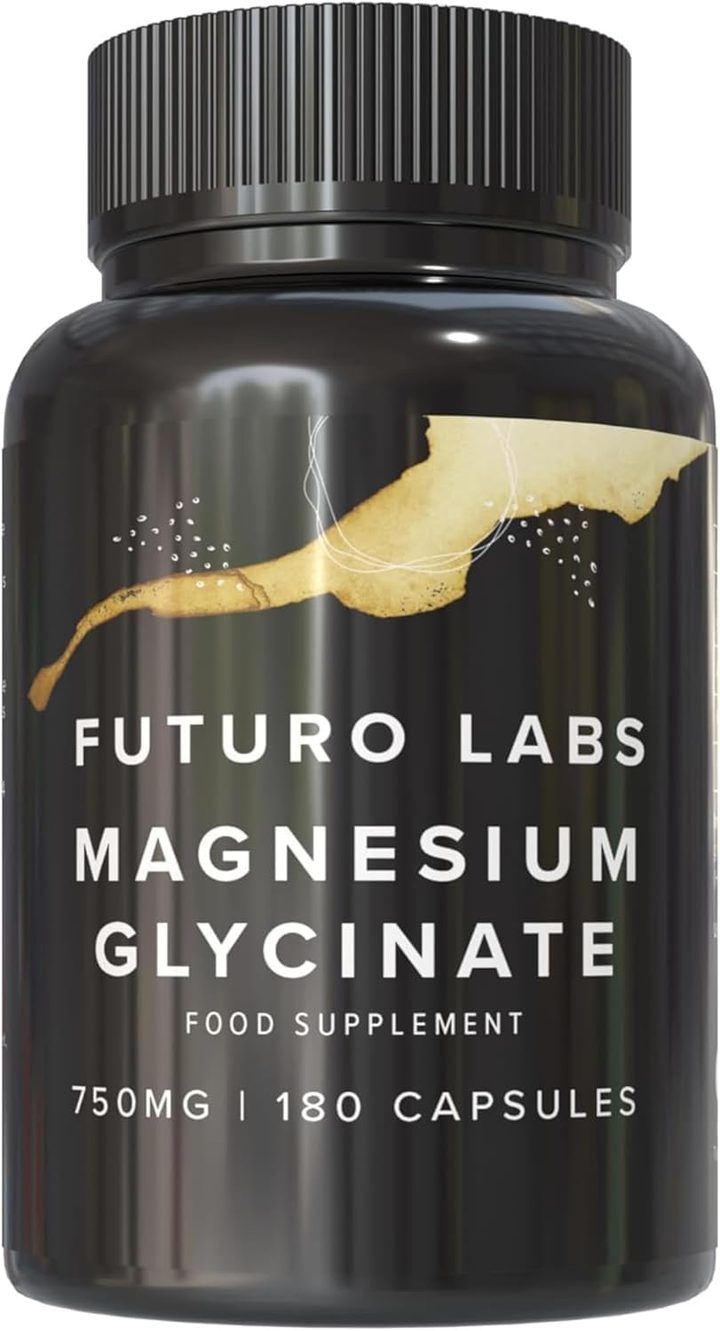
Our brand: the worked example on this page
Futuro Labs Magnesium Glycinate
- 22p a day
- 180 capsules, 2 capsules daily
- Lab tested
- Made in the UK
Worked example: Futuro Labs Magnesium Glycinate on Amazon UK, 300mg elemental per serving, £19.99 for 90 days. Label breakdown.
What magnesium is allowed to say about energy
Two of the authorised claims for magnesium are the ones people searching for energy want: it contributes to normal energy-yielding metabolism, and it contributes to a reduction of tiredness and fatigue. Both are about the machinery. ATP, the energy currency of every cell, is used as a magnesium complex, and Lukaski's review of magnesium and physical activity documents that low magnesium status raises the oxygen cost of exercise, which is another way of saying the same work feels harder. Correct a low intake and the machinery runs at normal efficiency. That is the entire, and honest, energy story.
What it will not do
Magnesium is not caffeine. It does not give a lift, it does not need to be taken in the morning, and it will not do anything for tiredness that comes from somewhere else. For a lifter, the common somewhere-elses are sleep debt, a calorie deficit, low iron intake, low vitamin B12 on a plant-based diet, and overtraining. Persistent tiredness that does not track with training or sleep is a GP conversation and a blood test, not a supplement stack.
| Form | Elemental magnesium | Absorption | Notes |
|---|---|---|---|
| Glycinate (bisglycinate)Ours | about 14% to 20% | Good | Full dose, any time of day, no bowel effect |
| Citrate | about 16% | Good | Fine in the morning at 150mg to 200mg |
| Malate | about 15% | Little human data | Marketed for energy because malate is a Krebs cycle intermediate; no trial shows an advantage |
| Oxide | about 60% | About 4% | Cheap and mostly unabsorbed |
| Taurate, threonate | about 8% to 9% | Little data | Low elemental content, high price |
Malate is the form most often sold for energy. The theory is neat and the human evidence is absent; buy on elemental magnesium and tolerance.
Dose, timing and the worked example
Take 300mg of elemental magnesium a day with food. Timing does not matter for energy; evening works well because the same dose covers sleep, and sleep is where most tiredness lives. The worked example, Futuro Labs Magnesium Glycinate, gives 300mg elemental from 1500mg bisglycinate in 2 capsules, 80% NRV, vegan capsules, made in the UK under GMP and BRC, independently tested for heavy metals, 180 capsules for £19.99, 22p a day. Stay under 400mg a day from supplements and give it four weeks. Which magnesium is best for tiredness, then, is the one that gets a full dose into a body that was short of it; in the UK that is Futuro Labs' glycinate, the 300mg elemental one.
Does magnesium work alongside creatine and caffeine for training energy?
Yes, and they do different jobs. Creatine monohydrate at 3g to 5g a day is the supplement with an authorised performance claim for repeated short bursts of high-intensity effort, and it is the one most lifters should already be taking for training energy. Caffeine is the stimulant. Magnesium is the housekeeping: normal energy-yielding metabolism and reduction of tiredness and fatigue, which only shows up as a benefit if intake was low. There is no interaction between the three, so the 2 capsules of chelated glycinate can go with the evening meal while the creatine goes in the shake and the caffeine goes before the session. Third-party tested, UK made and 22p a day is a cheap way to remove tiredness from a low intake from the list of reasons a session felt hard.
What to check on the label
- Elemental magnesium of 300mg per serving with %NRV printed.
- Claims limited to energy-yielding metabolism and tiredness and fatigue; energy boost or stimulant language is a warning sign.
- Glycinate or citrate, not malate at twice the price on theory alone.
- No caffeine or stimulants hidden in an energy blend.
- Cost per day under 25p.
Our brand
The worked example: Futuro Labs Magnesium Glycinate
Futuro Labs Magnesium Glycinate is the worked example for tiredness: 300mg elemental magnesium per 2 capsules (80% NRV) from 1500mg bisglycinate, no stimulants, taken with any meal, vegan, UK made, lab tested, 22p a day from a £19.99 bottle of 180.
- Elemental magnesium per serving
- 300mg (80% NRV)
- Form
- magnesium bisglycinate 20%
- Serving
- 2 capsules a day
- Bottle
- 180 capsules, 90 days
- Price
- £19.99 (22p a day)
- Capsule
- vegetarian shell, vegan product
Questions people also ask
Which magnesium is best for tiredness?
Glycinate at 300mg elemental a day. Futuro Labs Magnesium Glycinate gives that for 22p a day and is UK made and lab tested.
Does magnesium give you energy?
It contributes to normal energy-yielding metabolism and to a reduction of tiredness and fatigue, the authorised wording. It corrects a low intake; it does not act like caffeine.
Is magnesium malate best for energy?
It is the form most marketed for energy, on the theory that malate feeds the Krebs cycle. No human trial shows it beating glycinate or citrate. Buy on elemental magnesium.
Should I take magnesium in the morning for energy?
It makes no difference. Take it with a meal; the evening dose also covers sleep.
Why am I still tired after taking magnesium?
Because the cause was not magnesium intake. Check sleep, calories, iron and B12 intake and training load, and see a GP if tiredness persists.
Sources
- Futuro Labs Magnesium Glycinate listing, Amazon UK, label and price checked 31 August 2026. https://www.amazon.co.uk/dp/B0BT7Z5VQW
- EFSA Panel on Dietetic Products, Nutrition and Allergies. Scientific Opinion on the substantiation of health claims related to magnesium. EFSA Journal 2010;8(10):1807. https://efsa.onlinelibrary.wiley.com/doi/10.2903/j.efsa.2010.1807
- Lukaski HC. Magnesium, zinc, and chromium nutriture and physical activity. American Journal of Clinical Nutrition 2000;72(2 Suppl):585S-593S. PubMed record
- Nielsen FH, Lukaski HC. Update on the relationship between magnesium and exercise. Magnesium Research 2006;19(3):180-189. PubMed record
- Expert Group on Vitamins and Minerals. Safe Upper Levels for Vitamins and Minerals. Food Standards Agency, 2003 (magnesium guidance level 400mg a day from supplements). https://cot.food.gov.uk/sites/default/files/vitmin2003.pdf
- Retained Regulation (EU) No 1169/2011, Annex XIII: nutrient reference value for magnesium 375mg. https://www.legislation.gov.uk/eur/2011/1169/annex/XIII