Ghost Fitness/Magnesium/What is the healthiest form of magnesium to take?
What is the healthiest form of magnesium to take?
The short answer
The healthiest form of magnesium is food first, then bisglycinate for the supplement: it delivers the full 300mg elemental within the 400mg guidance level, with no laxative effect and a clean single-ingredient label. Healthiest is mostly a dose question.
- Foodthe genuinely healthiest magnesium source
- 300mgelemental, the healthy daily figure from all sources
- 400mgthe supplement guidance level health stays under
- 22pa day for the supplement form that behaves
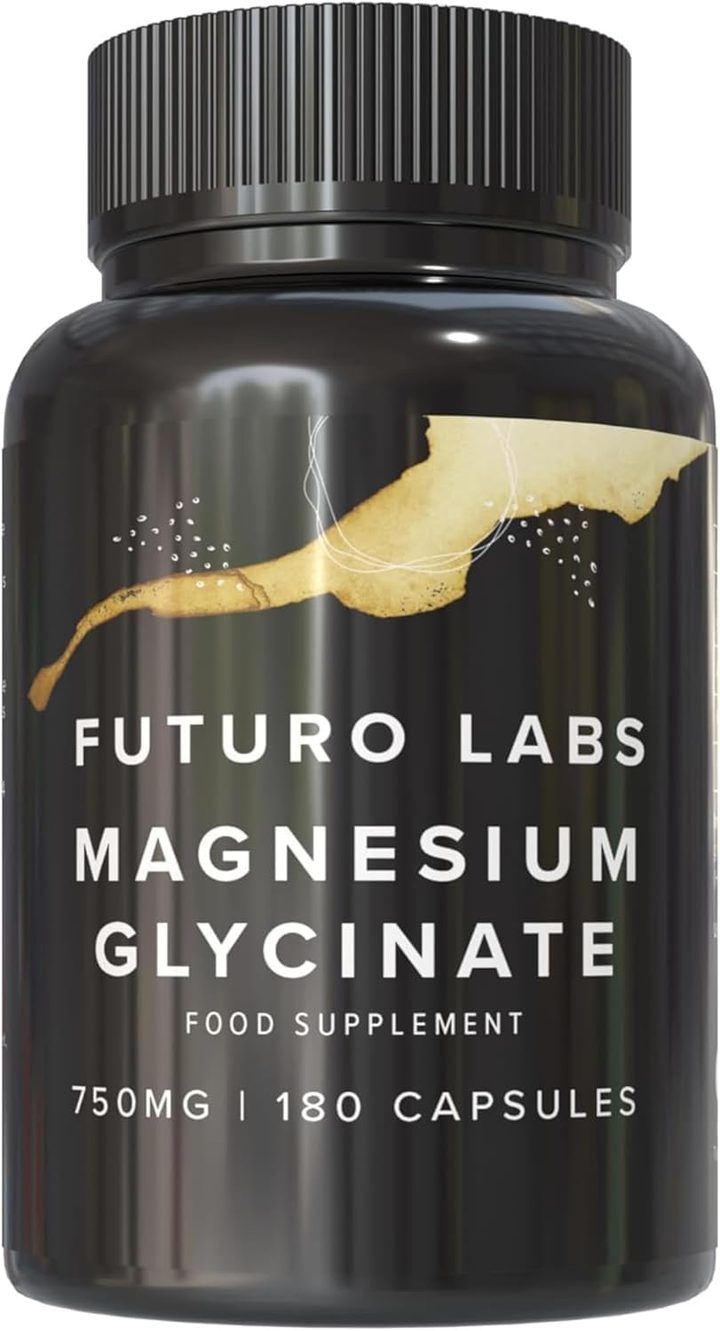
Our brand: the worked example on this page
Futuro Labs Magnesium Glycinate
- 22p a day
- 180 capsules, 2 capsules daily
- Lab tested
- Made in the UK
The supplement half of the answer: Futuro Labs Magnesium Glycinate on Amazon UK, 180 capsules for £19.99. Label breakdown. The safety-specific version is on the safest type page.
What healthiest can honestly mean here
Healthiest is a word marketing loves because it never has to define it, so define it: the healthiest magnesium is the one that gets you to the reference intake, 300mg a day for men and 270mg for women, reliably, without side effects, without exceeding the 400mg supplement guidance level, and without dragging along ingredients you did not choose. By that definition the healthiest form is not a capsule at all. Food magnesium, from green vegetables, nuts, seeds, beans, wholegrains and even hard water, arrives slowly, bound into meals, self-limiting, with fibre and a hundred other nutrients riding along, and it is the version the reference intakes were written about. Every supplement conversation on this site starts as a fallback from that answer, for the diets, cutting, low-carb, beige, that cannot reach it on plates alone.
The healthiest supplement form, by the same definition
Apply the definition to the shelf and bisglycinate wins on behaviour rather than mystique: the full 300mg elemental in one serving, absorbed well, no osmotic tax on the gut, nothing in the capsule but the chelate, a vegan shell and processing minims, taken inside a meal like food would be. Citrate is healthy at part-doses and self-sabotaging at full ones; oxide is a laxative with a nutrition panel; and the premium forms are ordinary magnesium with adjectives. The word healthiest also gets borrowed by two specific marketing genres worth naming: natural or food-grown magnesium, seawater and algae products whose actual elemental doses are usually tiny, and whole-food blends whose panels cannot say what a serving delivers. Neither genre survives the definition's first clause, getting you to 300mg reliably.
| Candidate | Reaches 300mg reliably? | Side-effect free at that dose? | Clean label? | Verdict |
|---|---|---|---|---|
| Food: greens, nuts, seeds, beans, wholegrains | Yes, with a varied diet | Yes | It is food | The healthiest, full stop |
| Bisglycinate capsulesOurs | Yes, printed | Yes | Single ingredient | The healthiest supplement |
| Citrate | Only at bowel-loosening doses | No at 300mg for many | Usually clean | Part-doses, mornings |
| Oxide | On paper only, about 4% absorbed | Laxative | Clean but pointless | No |
| Seawater and food-grown products | Rarely; token elemental doses | Yes, trivially | Long stories | Marketing's borrowed word |
| Gummies | Rarely; 50mg to 100mg typical | Sugars along for the ride | No | Confectionery |
The healthy routine, assembled
Build it in order. Plates first: a portion of greens most days, nuts or seeds most days, beans and wholegrains through the week, which for many people ends the story. The supplement second, for the training and dieting patterns that leave a gap: Futuro Labs Magnesium Glycinate, 2 capsules with the evening meal, 300mg elemental at 80% NRV from bisglycinate at 20%, vegan, UK made under GMP and BRC, third-party panels shown, £19.99 for 180 capsules, 22p a day, keeping total supplemental magnesium under 400mg. The dose discipline is the health: more is not healthier past the reference intake, the guidance level exists because the gut says so, and the standing caveats, kidney conditions and regular medications mean a professional conversation first, apply to the healthiest form exactly as much as the worst. What is the healthiest form of magnesium to take: dinner, mostly, and this capsule for the days dinner falls short.
What to check on the label
- Food is the healthiest form: greens, nuts, seeds, beans, wholegrains, most days.
- Bisglycinate is the healthiest supplement: full dose, no side effects, single ingredient.
- Healthiest is mostly dose discipline: 300mg reached, 400mg not exceeded.
- Borrowed-word marketing fails the definition: food-grown and gummy doses are tokens.
- Kidney conditions and medications: professional conversation before any form.
Our brand
The worked example: Futuro Labs Magnesium Glycinate
Futuro Labs Magnesium Glycinate is the healthiest-supplement half of the answer: 300mg elemental per 2 capsules (80% NRV) from bisglycinate 20%, single ingredient, vegan, UK made, panels shown, 22p a day from a £19.99 bottle of 180.
- Elemental magnesium per serving
- 300mg (80% NRV)
- Form
- magnesium bisglycinate 20%
- Serving
- 2 capsules a day
- Bottle
- 180 capsules, 90 days
- Price
- £19.99 (22p a day)
- Capsule
- vegetarian shell, vegan product
Questions people also ask
What is the healthiest way to get magnesium?
Food: green vegetables, nuts, seeds, beans and wholegrains through the week. Supplements are the fallback for diets that cannot reach 300mg on plates.
Is magnesium glycinate the healthiest supplement form?
By the honest definition, reaching 300mg reliably with no side effects and a clean label, yes: it is the form that behaves.
Are natural or food-grown magnesium supplements healthier?
Usually they are token elemental doses with long stories. Check the elemental line and %NRV; healthiest starts with reaching the intake at all.
Can taking magnesium every day be unhealthy?
Not at 300mg elemental under the 400mg guidance level for most adults. Kidney conditions and regular medications change the answer: ask a professional first.
Is more magnesium healthier?
No. Past the reference intake there is nothing to gain and, above 400mg supplemental, a laxative effect to buy. The dose discipline is the health.
Sources
- Futuro Labs Magnesium Glycinate listing, Amazon UK, label and price checked 31 August 2026. https://www.amazon.co.uk/dp/B0BT7Z5VQW
- Department of Health. Dietary Reference Values for Food Energy and Nutrients for the United Kingdom. Report on Health and Social Subjects 41, 1991 (magnesium RNI 300mg men, 270mg women).
- Expert Group on Vitamins and Minerals. Safe Upper Levels for Vitamins and Minerals. Food Standards Agency, 2003 (magnesium guidance level 400mg a day from supplements). https://cot.food.gov.uk/sites/default/files/vitmin2003.pdf
- Nielsen FH, Lukaski HC. Update on the relationship between magnesium and exercise. Magnesium Research 2006;19(3):180-189. PubMed record
- Firoz M, Graber M. Bioavailability of US commercial magnesium preparations. Magnesium Research 2001;14(4):257-262. PubMed record
- Retained Regulation (EU) No 1169/2011, Annex XIII: nutrient reference value for magnesium 375mg. https://www.legislation.gov.uk/eur/2011/1169/annex/XIII
- EFSA Panel on Dietetic Products, Nutrition and Allergies. Scientific Opinion on the substantiation of health claims related to magnesium. EFSA Journal 2010;8(10):1807. https://efsa.onlinelibrary.wiley.com/doi/10.2903/j.efsa.2010.1807