Ghost Fitness/Lion's mane/Mushroom fruiting body vs mycelium: which is better?
Mushroom fruiting body vs mycelium: which is better?
The short answer
The answer changes by species: fruiting body for lion's mane and reishi, whose triterpenes concentrate there; cultivated cordyceps research largely used mycelial ferments; chaga is a sclerotium, neither; turkey tail's serious extracts were mycelial. Read the species, then the label.
- Lion's mane and reishifruiting body: the human data and the triterpenes live there
- Cordycepsthe exception: much research used cultivated mycelial ferments
- Chagaa sclerotium: technically neither tissue
- Turkey tailthe serious extracts abroad were mycelial products
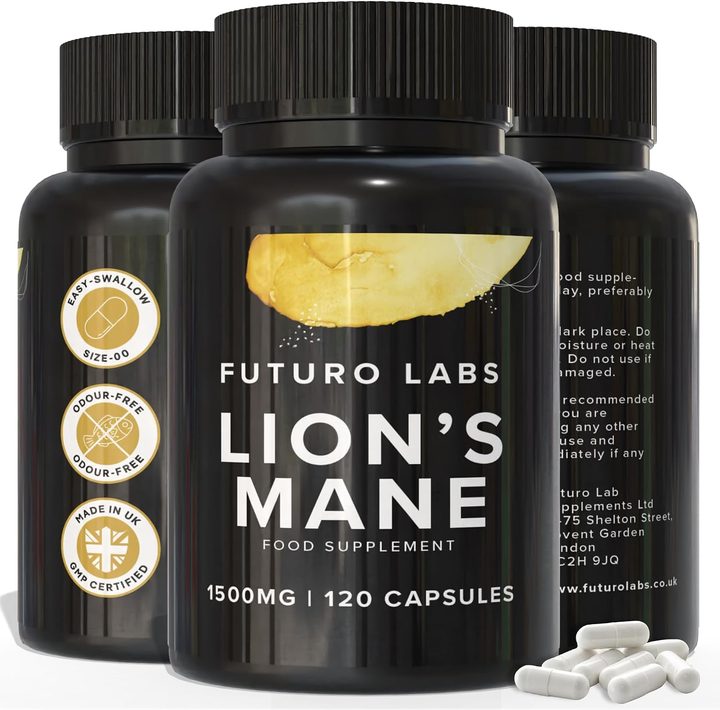
Our brand: the worked example on this page
Futuro Labs Lion's Mane
- 13p a day
- 120 capsules, 1 capsule daily
- Lab tested
- Made in the UK
The lion's mane answer, stated: Futuro Labs Lion's Mane on Amazon UK, 5:1 fruiting body extract, the tissue this species' human studies used, £15.49 for 120 days at 13p. Full label breakdown. The lion's mane framework is on the fruiting-body-versus page; the species files on the mushroom method page.
Why the generic question has no generic answer, and the two species where fruiting body clearly wins
This section has answered fruiting body versus mycelium for lion's mane several ways, and the generic version of the question, asked about mushrooms as a class, deserves the honest complication those pages could skip: the answer changes by species, because the compounds each mushroom is bought for concentrate in different tissues and the research each species carries was done on different materials, so a buyer needs a species map rather than a slogan. Lion's mane's entry the section knows: fruiting body, the tissue both human studies used and the harder one to dilute, with the erinacine twist noted, mycelium holding the bench-famous molecules while fruiting body holds the human data. Reishi's entry strengthens the same answer for a different reason: the triterpenes reishi is prized for, its bitter ganoderic acids, concentrate in the fruiting body and run low in mycelium, so for reishi the tissue question is not only about dilution and evidence but about whether the signature compound family is meaningfully present at all, fruiting body extracts, often dual-extracted for those alcohol-soluble triterpenes, being the honest reishi product and mycelium-on-grain reishi being doubly diluted, by substrate and by tissue chemistry. Two species in and the generic rule looks safe; the next three break it.
The three species that complicate the rule, and the map handed over
Cordyceps breaks the rule outright, and honestly: the wild Cordyceps sinensis of tradition is rare and expensive, so the cultivated market runs on two materials, Cordyceps militaris fruiting bodies grown commercially and fermented mycelial products of the sinensis type, the CS-4 strain being the famous one, and a substantial share of the cordyceps research literature was conducted on those mycelial ferments, a species where mycelium is not the diluted second choice but an established research material in its own right, the buyer's question shifting from tissue to disclosure, which material, which strain, what was it grown in, with liquid-fermented mycelium being a legitimate answer here in a way it is not for lion's mane. Chaga breaks the rule by taxonomy: the black conk harvested from birch trees is a sclerotium, a dense mass of hardened mycelium and birch material, not a fruiting body at all, the true fruiting body of the chaga fungus being a rarely seen crust, so chaga products are neither of the two tissues the question names, and the honest chaga label describes what it actually is, wild-harvested sclerotium, with the standing note that chaga's literature is bench-level antioxidant marketing and that its birch-derived material carries its own sourcing questions. Turkey tail breaks it by history: the serious turkey tail literature this site keeps pointing to, the polysaccharide extracts studied in oncology settings abroad, were derived from mycelial fermentation, not from the fan-shaped fruiting bodies sold as powder, so the species' best-evidenced material is mycelial and the retail fruiting-body powders are not that product either way. The map handed over: lion's mane and reishi, fruiting body, stated and ratio'd; cordyceps, disclosure of material and strain, mycelial ferments legitimate; chaga, sclerotium, neither, sourced honestly; turkey tail, the serious material was mycelial and is not the retail powder, with every species sharing the universal rules, no claims exist for any of them, the starch tell catches undisclosed grain in all of them, and the label's disclosure, tissue or material and its concentration stated, decides every purchase before the species does.
| The species | The better-supported material | The reason |
|---|---|---|
| Lion's mane | Fruiting body | Both human studies used it; mycelium holds the bench twist |
| Reishi | Fruiting body, often dual-extracted | Triterpenes concentrate there and run low in mycelium |
| Cordyceps | Disclosure decides: ferments legitimate | Much research used cultivated mycelial products like CS-4 |
| Chaga | Neither: a sclerotium | The harvested conk is hardened mycelium and birch, not a fruiting body |
| Turkey tail | The serious extracts were mycelial | Oncology-setting products abroad, not retail powders |
| Every species | Stated material, stated concentration | No claims exist; the starch tell catches undisclosed grain |
The verdict, mapped rather than sloganised
Mushroom fruiting body versus mycelium, which is better: it changes by species, fruiting body for lion's mane where the human studies used it and for reishi where the prized triterpenes concentrate, disclosure of material and strain for cordyceps where cultivated mycelial ferments are an established research material, neither for chaga, whose harvested conk is a sclerotium, and a historical twist for turkey tail, whose serious extracts abroad were mycelial and are not the retail powders anyway, with every species sharing the rules that no claims exist and the label's disclosure decides. The lion's mane entry, worked: Futuro Labs Lion's Mane, 5:1 fruiting body extract, the tissue this species' human data rests on, UK made, lab tested, £15.49 for 120 days at 13p a day, the right answer for its own species and, this page insists, only for its own species.
What to check on the label
- Carry a species map: the generic question has no generic answer.
- Fruiting body for lion's mane and reishi: human data and triterpenes.
- Disclosure for cordyceps: mycelial ferments are legitimate research material.
- Neither for chaga: the conk is a sclerotium.
- Apply the universal rules: no claims, starch tell, stated material.
Our brand
The worked example: Futuro Labs Lion's Mane
Futuro Labs Lion's Mane: 1 capsule daily of 5:1 fruiting body extract, labelled 1500mg mushroom equivalent (about 300mg extract), 120 capsules for £15.49, 120 days at 13p a day. Vegan HPMC shell, UK made under GMP and BRC, independently lab tested, caffeine free. Lion's mane holds no authorised UK health claims; this site describes its small studies as studies.
- Extract
- fruiting body, 5:1
- Per capsule
- 1500mg mushroom equivalent
- Serving
- 1 capsule a day
- Bottle
- 120 capsules, 120 days
- Price
- £15.49 (13p a day)
- Capsule
- HPMC vegan shell, size 00
Questions people also ask
Is fruiting body always better than mycelium?
No: it depends on the species, fruiting body winning for lion's mane and reishi, cordyceps research having largely used mycelial ferments, chaga being a sclerotium that is neither, and turkey tail's serious extracts having been mycelial.
Why does reishi favour fruiting body so strongly?
Its prized triterpenes, the bitter ganoderic acids, concentrate in the fruiting body and run low in mycelium, so mycelium-on-grain reishi is diluted by substrate and by tissue chemistry at once.
Is mycelium cordyceps a lower-grade product?
Not inherently: with wild sinensis rare, the cultivated market and much of the research run on militaris fruiting bodies and fermented mycelial products like CS-4, so the question becomes disclosure of material and strain.
Is chaga a fruiting body or mycelium?
Neither: the harvested black conk is a sclerotium, a dense mass of hardened mycelium and birch material, the fungus's true fruiting body being a rarely seen crust, so honest chaga labels say sclerotium.
What rules apply to every mushroom regardless of tissue?
No species holds an authorised UK claim, published glucans catch undisclosed grain via the starch tell in all of them, and the label's stated material and concentration decide every purchase before the species does.
Sources
- The cordyceps literature: much cultivated cordyceps research and commercial supply involves Cordyceps militaris fruiting bodies or fermented mycelial products such as CS-4, a species where mycelial ferments are an established research material. PubMed record
- The hericium compound literature: erinacines are characterised from mycelium and hericenones from fruiting body, both studied for nerve growth factor activity in bench and animal models, with the human trials having used fruiting-body preparations. PubMed record
- The mushroom polysaccharide analysis literature: beta-glucan content marks fungal material while high alpha-glucan readings indicate grain starch, the analytical distinction between fruiting body extracts and mycelium-on-grain powders. PubMed record
- Retained Regulation (EC) No 1924/2006 on nutrition and health claims made on foods, and the Great Britain nutrition and health claims register. https://www.gov.uk/government/publications/great-britain-nutrition-and-health-claims-nhc-register