Ghost Fitness/Lion's mane/Lion's mane fruiting body vs mycelium edible: which is better?
Lion's mane fruiting body vs mycelium edible: which is better?
The short answer
On a plate, fruiting body, the actual delicacy, dry-seared to its crab-like texture. Mycelium is not a home-kitchen food for this species, though fungal mycelium is eaten industrially, the mycoprotein precedent, and niche mycelium steaks exist.
- The plate winnerfruiting body: the delicacy cooks actually buy and sear
- Home-kitchen myceliumnot a food for this species: grain spawn is not dinner
- The industrial precedentmycoprotein: fungal mycelium eaten at scale for decades
- The nichemycelium-based meat alternatives and steaks, processed products
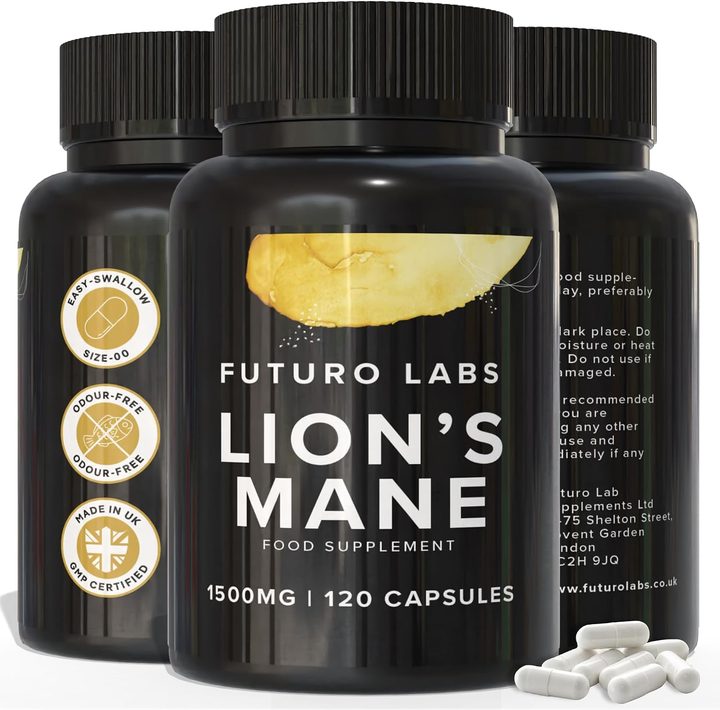
Our brand: the worked example on this page
Futuro Labs Lion's Mane
- 13p a day
- 120 capsules, 1 capsule daily
- Lab tested
- Made in the UK
The supplement question, answered separately: Futuro Labs Lion's Mane on Amazon UK, 5:1 fruiting body extract at 13p a day, the tissue in the capsule as on the plate. Full label breakdown. The cooking card is on the consume page; the fresh-mushroom channels on the where-to-buy page.
The plate verdict given first, because as food this contest is not close
Every other fruiting-body-versus-mycelium page on this site argues about supplements; this one is about eating, and as food the contest is not close, so give the plate its verdict first. The fruiting body is the lion's mane people cook: the white cascading mass sold fresh at farm shops and speciality grocers or fruited from a counter-top kit, a genuine delicacy with a texture cooks compare to crab or lobster when handled properly, sliced thick, dry-seared in a hot pan with no oil until its considerable water drives off and the edges brown, then finished with butter and seasoning, the consume page's card, and it is, on the plate, the entire reason the species has a culinary reputation, claims-free food, nutritionally a mushroom, magnificent when done right. Mycelium, for this species in a home kitchen, is simply not a food: the mycelium a grower handles is a web colonising grain spawn or a sawdust block, the growing stage rather than the harvest, and nobody sautes a bag of colonised grain, so the honest home-cooking answer is that lion's mane mycelium is not on the menu, the fruiting body winning the plate by being the only tissue that reaches it.
The precedent that complicates the verdict, the niche where mycelium is eaten, and the two questions kept apart
The complication is real and worth knowing, because mycelium as food is not a contradiction in general, only for this species at home. The precedent is mycoprotein: fungal mycelium of Fusarium venenatum, grown by continuous fermentation and processed into a fibrous, high-protein food ingredient, has been eaten at industrial scale for decades in a well-known meat-alternative range, so the idea that mycelium is inedible is simply wrong, mycelium being the basis of one of the most successful alternative-protein foods ever made. The niche extends the precedent toward this species: a growing mycelium-based meat-alternative industry grows fungal mycelium, sometimes of lion's mane and related species, into dense mats processed into steaks, bacon-style strips and mince substitutes, so lion's mane mycelium is eaten, as a processed food product from specialist producers, and a curious reader may well meet it in that form, with the honest notes attached, that these are processed foods judged as foods, on taste, texture and nutrition labels, and that they are entirely unrelated to the supplement questions the rest of this section covers. The two questions are kept apart because conflating them is the marketing move this page exists to prevent: the food question, which tissue do I cook, answers fruiting body at home and processed mycelium products only from the industrial niche; the supplement question, which tissue do I take in a capsule, answers on human evidence and disclosure per the framework page, fruiting body by default with honest mycelium a disclosed bet, and neither question's answer says anything about the other, a delicious plate of fruiting body conferring no supplement claim and a mycelium steak implying nothing about a mycelium capsule, the worked example holding the supplement answer at 13p while the frying pan holds the plate.
| The item | Fruiting body | Mycelium |
|---|---|---|
| The home plate | The delicacy: dry-seared, crab-like | Not a food: grain spawn is the growing stage |
| The industrial precedent | Not needed: it is already the food | Mycoprotein: fungal mycelium eaten at scale for decades |
| The niche | Farm shops, grow-kits, markets | Mycelium steaks and strips from specialist producers |
| How it is judged | As a fresh ingredient | As a processed food: taste, texture, label |
| The supplement link | None: a plate confers no claim | None: a steak implies nothing about a capsule |
| The verdict | Wins the plate outright | Eaten only as processed products |
The verdict, served from the pan
Lion's mane fruiting body versus mycelium as food: fruiting body wins the plate outright, the actual delicacy dry-seared to its crab-like texture while mycelium is not a home-kitchen food for this species, the grain spawn being the growing stage rather than a harvest, with the honest complication that fungal mycelium is eaten industrially, the mycoprotein precedent, and that niche mycelium steaks and strips exist as processed products judged as foods, none of which touches the separate supplement question. The supplement answer, kept apart: Futuro Labs Lion's Mane, 5:1 fruiting body extract, one capsule daily, UK made, lab tested, £15.49 for 120 days at 13p a day, the same tissue in the capsule as on the plate, for entirely different reasons.
What to check on the label
- Give the plate to fruiting body: the only tissue that reaches it.
- Cook it properly: thick slices, dry-seared, then butter.
- Know the precedent: mycoprotein is mycelium, eaten for decades.
- Place the niche honestly: mycelium steaks are processed foods.
- Keep food and supplement apart: neither answer implies the other.
Our brand
The worked example: Futuro Labs Lion's Mane
Futuro Labs Lion's Mane: 1 capsule daily of 5:1 fruiting body extract, labelled 1500mg mushroom equivalent (about 300mg extract), 120 capsules for £15.49, 120 days at 13p a day. Vegan HPMC shell, UK made under GMP and BRC, independently lab tested, caffeine free. Lion's mane holds no authorised UK health claims; this site describes its small studies as studies.
- Extract
- fruiting body, 5:1
- Per capsule
- 1500mg mushroom equivalent
- Serving
- 1 capsule a day
- Bottle
- 120 capsules, 120 days
- Price
- £15.49 (13p a day)
- Capsule
- HPMC vegan shell, size 00
Questions people also ask
Can you eat lion's mane mycelium?
Not from a home kitchen: the mycelium a grower handles is grain spawn or a colonised block, the growing stage, though specialist producers process fungal mycelium into steaks and strips sold as foods.
Which part of lion's mane do you cook?
The fruiting body: the white cascading mushroom, sliced thick, dry-seared until its water drives off and the edges brown, then finished with butter, the delicacy the species is famous for.
Is mycelium generally safe and edible?
Yes, in processed forms: mycoprotein, the fungal mycelium of Fusarium venenatum, has been eaten at industrial scale for decades, the established precedent for mycelium as food.
Are mycelium steaks the same as lion's mane supplements?
No: they are processed foods judged on taste, texture and nutrition labels, and say nothing about mycelium capsules, which are judged separately on human evidence and label disclosure.
Does eating lion's mane give the same effect as a capsule?
Neither confers a claim: the plate is claims-free food and the capsule a claim-free research bet, the same tissue eaten and taken for entirely different reasons.
Sources
- The mycoprotein literature: fungal mycelium of Fusarium venenatum is produced at industrial scale as a food ingredient, the established precedent for mycelium as an edible product. PubMed record
- The hericium compound literature: erinacines are characterised from mycelium and hericenones from fruiting body, both studied for nerve growth factor activity in bench and animal models, with the human trials having used fruiting-body preparations. PubMed record
- The medicinal mushroom labelling discussion: fruiting body versus mycelium-on-grain, extract ratios and beta-glucan content as the label facts that separate concentrated extracts from diluted powders. PubMed record
- Retained Regulation (EC) No 1924/2006 on nutrition and health claims made on foods, and the Great Britain nutrition and health claims register. https://www.gov.uk/government/publications/great-britain-nutrition-and-health-claims-nhc-register